Sunday, 5th April 2026

Khabor Wala Desk
Published: 29th November 2025, 10:56 AM
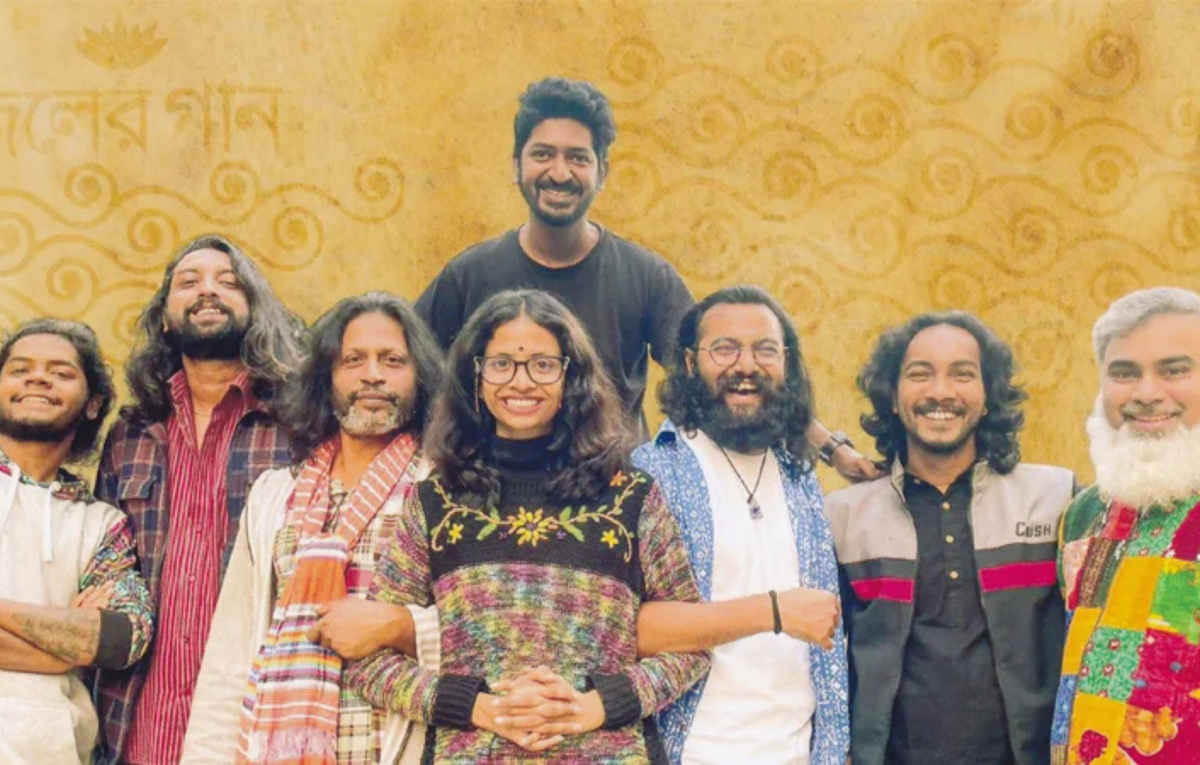
The cultural organisation ‘Amra Shurjomukhi’ (We the Sunflowers), established on 30 November 1975, is on the cusp of completing its 50th anniversary. To mark this significant Golden Jubilee, the organisation has arranged a special musical evening. Tonight, the popular folk-fusion band ‘Joler Gaan’ (Song of Water) will perform at the Nilima Ibrahim Auditorium of the Mohila Samity (Women’s Association) in Dhaka.
The event will be graced by the presence of legendary music personality Syed Abdul Hadi as the Chief Guest, who is expected to share anecdotes from his illustrious career. Esteemed speakers, including two Ekushey Padak-winning artistes—Shaheen Samad and Fatema-tuz-Zohra—will also address the audience. The current Executive Director of the organisation, Shafiqul Islam Selim, will deliver the inaugural speech.
Commenting on the event, Rana Sarwar, the Manager and Guitarist of ‘Joler Gaan’, expressed his pleasure: “We are delighted to be associated with ‘Amra Shurjomukhi’ on the occasion of their 50th-year celebration. We never pre-determine our playlist for any show. We always try to perform the songs that the audience requests and prefers. This time will be no exception. We hope the performance will be well-received by the listeners.”
‘Joler Gaan’ has been active for nearly two decades. Rahul Ananda, who led the band since its inception, has been outside the country for more than one year. Despite his absence, the band’s activities have continued unabated, with his colleagues successfully maintaining the momentum. Currently, the founding member Konok Aditya is leading the group. The Golden Jubilee celebration promises to be a memorable night of folk music and cultural exchange, highlighting the enduring impact of ‘Amra Shurjomukhi’ on the national cultural landscape.



Comments