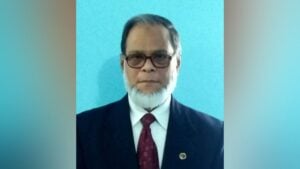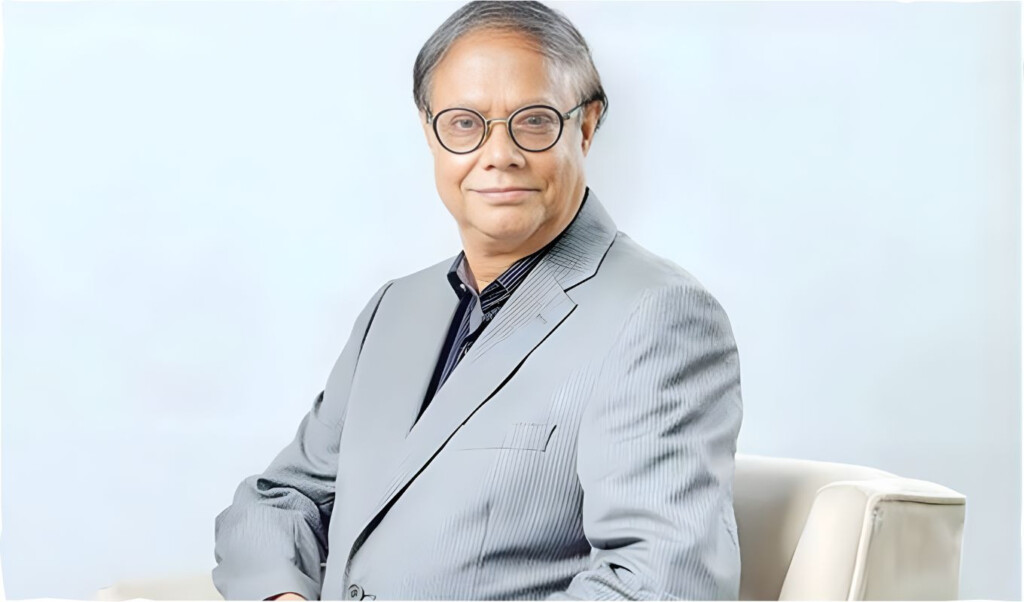
Ahsan H. Mansur, a distinguished economist, former full-time official of the International Monetary Fund (IMF), and ex-professor of economics at Dhaka University, has long been regarded as a prominent representative of Bangladesh’s civil society. When he was appointed Governor of Bangladesh Bank following the July popular uprising, there were high expectations that he would spearhead unprecedented economic growth and stability.
However, these expectations were soon dashed. Despite 18 months of contractionary monetary policies, inflation remained high, businesses struggled, factories closed, and non-performing loans soared across the banking sector. The governor’s repeated assurances that the repatriation of illicitly exported funds would be a priority failed to materialise. In December 2024, he promised that funds siphoned out of the country would return within six months, personally visiting the United States, United Kingdom, and Switzerland to pursue this goal. Yet, a year later, he revised the timeline, stating that recovery could take four to five years.
Investigations into financial irregularities under his tenure, including the formation of 11 joint committees to probe allegations of embezzlement, money laundering, and loan fraud within top industrial groups, yielded little tangible results. Investor confidence suffered, and both the capital market and banking sector faced stagnation.
Dr. Debapriya Bhattacharya, a senior fellow at the Centre for Policy Dialogue (CPD), sharply criticised Mansur’s policies, stating that money printing, whether announced or covert, undermines economic stability. While Mansur initially attempted to avoid currency issuance, he ultimately authorised printing secretly, later admitting it. Dr Bhattacharya added that the interim government left the economy in a fragile state, worsened by Mansur’s policies.
Key economic indicators under Mansur’s governorship reflect this turmoil:
| Indicator | Status Under Mansur | Observed Impact |
|---|---|---|
| Inflation | Persistently high | Reduced purchasing power, rising cost of living |
| Policy Interest Rate | Raised to 10% | Lending rates increased to 16–17%, discouraging investment |
| Credit Flow to Private Sector | 6.1% in Dec 2025 | Lowest in 22 years, stalling industrial expansion |
| Exchange Rate | Artificially stabilised | Negatively impacted exports, competitiveness fell |
| Repatriated Funds | Nil in 18 months | Billions spent with no tangible returns |
Taskeen Ahmed, chairman of Dhaka Chamber of Commerce and Industry, highlighted that contractionary monetary policy and high lending rates severely curtailed productive economic activity, investment, and employment generation.
Critics argue that Mansur functioned largely as an IMF proxy, prioritising international prescriptions over domestic welfare. By the end of his tenure, the economy had not recovered, and he departed amid widespread disapproval. Observers emphasise that restoring macroeconomic stability will require a comprehensive strategy: controlling inflation, reducing interest rates, adjusting currency value, and improving debt management.