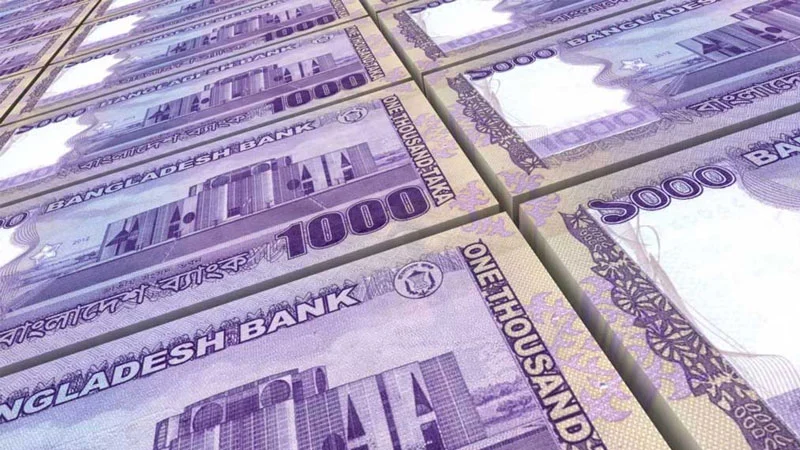
Bangladesh’s growing integration with the global economy, alongside the steady inflow of remittances from millions of expatriate workers, continues to play a crucial role in sustaining the country’s financial stability. In this context, access to the latest foreign exchange rates has become increasingly important for businesses, traders, travellers, and remittance recipients alike.
As of 24 April 2026, the updated indicative exchange rates of various foreign currencies against the Bangladeshi Taka (BDT) reflect ongoing fluctuations in the international currency markets. These rates are subject to change at any time due to global economic conditions, demand and supply dynamics, and monetary policy adjustments across different countries.
The following table presents the latest available exchange rates for key global currencies:
Foreign Currency vs Bangladeshi Taka (BDT)
| Currency | Exchange Rate (৳) |
|---|---|
| US Dollar (USD) | 122.74 |
| British Pound (GBP) | 165.29 |
| Euro (EUR) | 143.40 |
| Saudi Riyal (SAR) | 32.72 |
| UAE Dirham (AED) | 33.42 |
| Kuwaiti Dinar (KWD) | 398.98 |
| Bahraini Dinar (BHD) | 326.40 |
| Omani Rial (OMR) | 319.05 |
| Qatari Riyal (QAR) | 33.71 |
| Singapore Dollar (SGD) | 96.01 |
| Brunei Dollar (BND) | 96.02 |
| Canadian Dollar (CAD) | 89.57 |
| Australian Dollar (AUD) | 87.46 |
| Chinese Yuan (CNY) | 17.95 |
| Indian Rupee (INR) | 1.30 |
| Japanese Yen (JPY) | 0.77 |
| South Korean Won (KRW) | 0.08 |
| Malaysian Ringgit (MYR) | 31.90 |
| Turkish Lira (TRY) | 2.72 |
| South African Rand (ZAR) | 7.37 |
| Libyan Dinar (LYD) | 19.32 |
| Iraqi Dinar (IQD) | 0.09 |
| Maldivian Rufiyaa (MVR) | 7.93 |
The steady movement of these exchange rates highlights the interconnected nature of global financial markets. For Bangladesh, the US dollar remains the most influential currency, as it underpins the majority of international trade transactions, import payments, and foreign debt servicing. Meanwhile, Gulf currencies such as the Saudi Riyal, UAE Dirham, and Kuwaiti Dinar continue to be particularly significant due to the large Bangladeshi workforce employed in the Middle East.
Experts note that fluctuations in exchange rates are influenced by several factors, including inflation differentials, central bank interest rate decisions, foreign exchange reserves, and global geopolitical developments. Even minor shifts in major economies can have a cascading effect on emerging markets like Bangladesh.
Given this volatility, financial analysts advise individuals and businesses engaged in foreign transactions to stay regularly updated with official banking sources and authorised exchange platforms. This helps ensure better financial planning, especially for importers, exporters, and families dependent on remittance inflows.
Overall, the latest currency update serves as a reminder of the dynamic nature of global finance and its direct impact on Bangladesh’s economy and household incomes.