Sunday, 5th April 2026

Khabor Wala Desk
Published: 26th March 2026, 4:52 PM
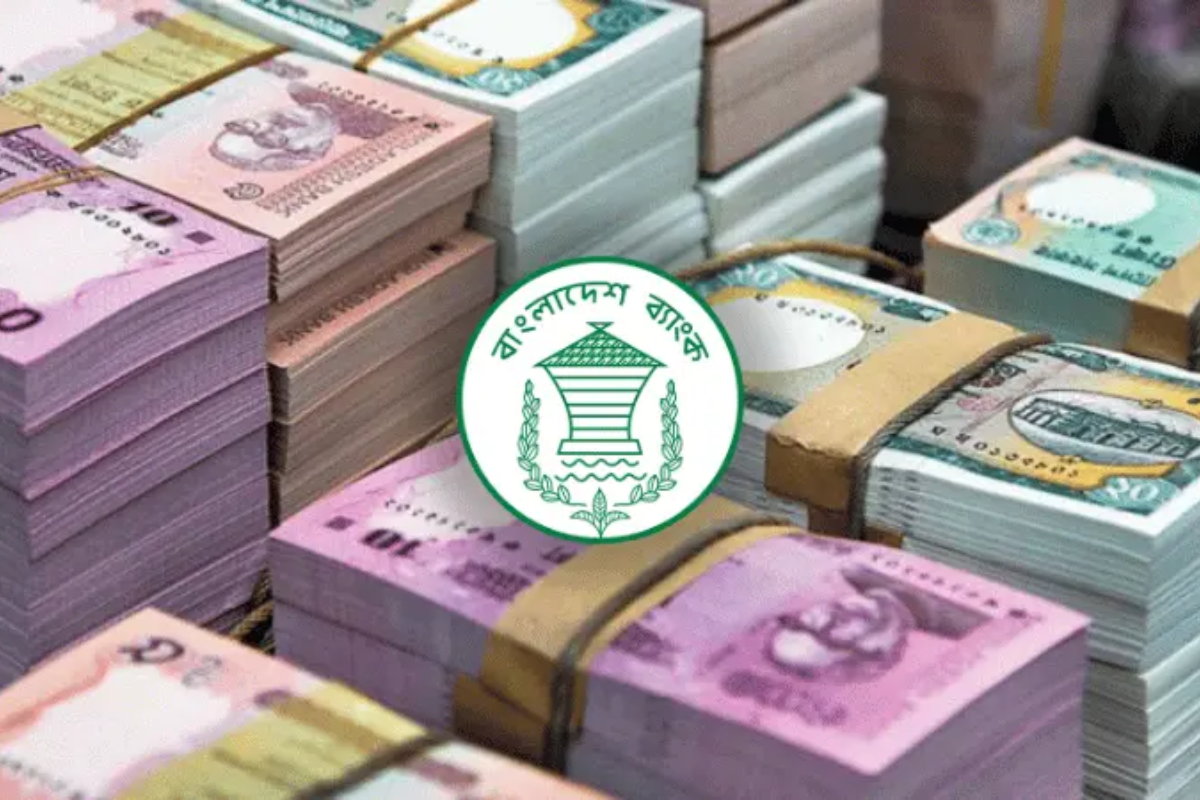
Previously sealed banknotes bearing the portrait of Sheikh Mujibur Rahman have begun returning to circulation in Bangladesh, marking a notable shift in monetary policy following months of restriction under the interim administration led by Muhammad Yunus.
The decision comes after earlier measures saw such notes withdrawn and replaced with newly designed currency, amid both political sensitivities and efforts to introduce updated banknote designs. At the time, critics had raised concerns about the potential financial burden of rapidly replacing existing currency, warning of significant public expenditure and logistical challenges.
Despite these concerns, the interim government initially remained firm in its stance, opting not to release the previously printed notes into the market. However, recent developments indicate a policy adjustment, with sealed stocks of the older design now being gradually reintroduced to ease liquidity pressures.
Officials at Bangladesh Bank have clarified that the notes in question were never formally declared invalid or demonetised. As such, their distribution does not violate any regulatory framework. Instead, the move is being framed as a practical response to supply constraints affecting newly printed currency.
Banking professionals have confirmed that commercial banks are acting in accordance with central bank directives. The reissued notes are being exchanged and circulated through standard channels, ensuring continuity in cash availability for the public.
The shortage of newly designed banknotes appears to be a key factor behind the decision. According to central bank spokesperson Arif Hossain Khan, the printing of multiple denominations—reportedly nine distinct types—has struggled to keep pace with market demand. This imbalance between supply and demand has led to noticeable currency shortages, particularly during periods of heightened cash usage.
“The notes were not banned, and there remains clear demand in the market,” he indicated, adding that previously printed stocks of older designs are now being released in phases to address the shortfall.
Further insight was provided by Shafiqul Islam, General Manager at Sonali Bank, who noted that distribution of the older notes had been suspended around the time of Eid al-Adha in 2025. Subsequently, these notes were retrieved from circulation and held in reserve before being reintroduced in line with central bank guidance.
| Aspect | Details |
|---|---|
| Currency Type | Banknotes featuring Sheikh Mujibur Rahman |
| Status | Previously sealed; now reintroduced |
| Regulatory Position | Not officially banned |
| Distribution Authority | Bangladesh Bank |
| Key Reason for Release | Shortage of newly printed banknotes |
| Number of New Denominations | Approximately nine |
| Distribution Method | Gradual release through banking channels |
| Key Bank Involved | Sonali Bank |
| Initial Suspension Period | Around Eid al-Adha 2025 |
The backdrop to this development is rooted in the political transition following mass protests in July, during which statues of Sheikh Mujibur Rahman erected under the previous administration were reportedly vandalised in several locations. The interim government subsequently adopted a cautious approach to symbols associated with the former regime, including currency design.
However, the practical realities of managing a national currency system appear to have prompted a reassessment. Economists note that replacing an entire series of banknotes is a complex and resource-intensive process, often requiring extended timelines for design, printing, and distribution.
Meanwhile, despite an official announcement that new notes would not be issued during the upcoming Eid period, reports suggest that banknotes featuring Sheikh Mujibur Rahman are still being traded in informal markets at a premium. This trend highlights ongoing demand for cash and reflects broader challenges in ensuring adequate currency supply.
Questions have also been raised regarding the pace of printing for the new banknote series, with some observers suggesting that production delays may have contributed to the current shortage.
As Bangladesh navigates these logistical and political complexities, the reintroduction of older banknotes underscores the delicate balance between policy direction and economic necessity. For now, authorities appear focused on ensuring sufficient liquidity in the financial system, even if it requires revisiting earlier decisions on currency circulation.




Comments