Khabowrala online Desk
Published: 28 Mar 2026, 11:33 pm

The global insurance sector experienced a week of notable activity between 23 and 27 March, marked by new partnerships, product launches, stable hiring expectations, and accelerating investment in technology. Despite ongoing economic uncertainty and structural transformation, the industry continues to demonstrate cautious optimism about future growth.
Among the most prominent developments, Willis Towers Watson (through its Willis business) announced a strategic partnership with Circle Asia to introduce a new art insurance facility tailored for collectors and galleries across Asia. The initiative combines specialist underwriting expertise with digital capabilities, enabling coverage for fine art, jewellery, and other high-value assets. This move reflects a growing demand for niche insurance products as wealth accumulation rises across the region.
In a similar vein, Liberty Specialty Markets expanded its fine art and specie insurance offering across Asia. The expansion aims to provide enhanced protection for businesses and individuals dealing with valuable physical assets, including those involved in storage, transport, or exhibition.
Strategic collaboration also emerged in the field of Islamic finance. Etiqa Insurance Singapore and AIA Singapore announced a distribution partnership designed to broaden access to Shariah-compliant Takaful solutions. The initiative is intended to appeal not only to Muslim consumers but also to a wider audience seeking ethical and socially responsible financial products, signalling a broader trend towards inclusive and values-based insurance offerings.
On the employment front, the sector’s outlook remains steady. According to the 2026 Hays Asia Salary Guide, Hong Kong’s insurance market is expected to maintain consistent hiring levels, driven largely by demand from high-net-worth (HNW) and ultra-high-net-worth (UHNW) clients. Growth in health, wellness, and investment-linked services is also contributing to sustained recruitment needs, particularly for specialised roles requiring financial advisory and risk management expertise.
Meanwhile, global mergers and acquisitions (M&A) activity in the insurance sector has shown signs of stabilisation. A report by Clyde & Co revealed that 211 deals were completed worldwide in 2025, a modest increase from 202 transactions in 2024. This suggests a gradual recovery following a significant downturn, as firms seek consolidation and strategic expansion in a competitive marketplace.
Technology continues to reshape the industry at pace. According to Aon, automation could replace up to 43% of insurance-related tasks by 2030, with 97% of insurers actively accelerating their automation strategies. This shift is prompting organisations to rethink workforce structures and invest in new talent profiles capable of navigating artificial intelligence, data analytics, and evolving risk landscapes.
Further reinforcing this trend, Celent reported that insurance companies are expected to lead financial services in IT budget growth in 2026. Spending is forecast to rise by 13.8% in life and health insurance and 12.9% in property and casualty insurance, reflecting the urgency of digital transformation initiatives and competitive pressures.
Despite these rapid changes, confidence among industry leaders remains relatively strong. A survey by KPMG International found that 82% of insurance CEOs are confident in their organisations’ growth prospects, an increase from 74% in 2024. Additionally, 78% expressed confidence in the broader industry outlook, even as firms contend with economic volatility, climate-related risks, and technological disruption.
| Category | Key Developments |
|---|---|
| Partnerships | Willis & Circle Asia launch art insurance; Etiqa & AIA expand takaful distribution |
| Product Launches | Liberty Specialty Markets expands fine art & specie coverage in Asia |
| Hiring Outlook | Stable hiring in Hong Kong; demand driven by HNW and UHNW segments |
| M&A Activity | 211 global deals in 2025, up from 202 in 2024 |
| Automation Trends | 43% of tasks could be automated by 2030; 97% of insurers accelerating adoption |
| IT Spending | Expected increases: 13.8% (life & health), 12.9% (property & casualty) |
| CEO Confidence | 82% confident in company growth; 78% confident in industry outlook |
Overall, the week’s developments highlight an industry in transition—balancing innovation, regulatory demands, and shifting customer expectations. While risks persist, particularly in relation to economic conditions and technological disruption, the insurance sector appears to be positioning itself for long-term resilience through strategic partnerships, digital investment, and evolving workforce strategies.

> Teen’s Foot Nearly Severed in Ferry Accident
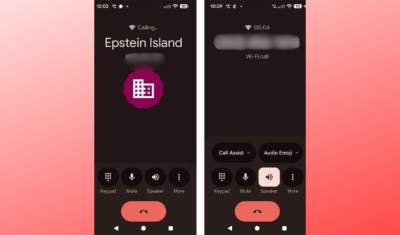
> Strange ‘Epstein Island’ Caller ID Hits White House Calls
> BNP Leader Issues Dramatic Denial Over Extortion Claim
> Ten from Sunamganj Feared Dead in Mediterranean Tragedy
> Marriage Music Dispute Sparks Mosque Violence Claim
> Netrokona Mobile Court Seizes Diesel Stockpile
> UN Security Council Holds Closed Iran War Meeting at Russia’s Request
> Insurance Industry Strengthens Through Innovation, Partnerships
> Small Deposits Fuel Bangladesh Banking Growth
> Education Minister’s Stern Warning Against Cheating
> Russia Plans Petrol Export Halt
> Bangladesh and ICDT Sign Trade Cooperation Pact in Morocco

A bizarre technical anomaly has reportedly caused calls made to the White House switchboard to displ...

The Chief of Staff of the Israel Defence Forces (IDF), Lieutenant General Eyal Zamir, has issued an...

A breathtaking high-scoring contest in the Pakistan Super League saw Peshawar Zalmi defeat Rawalpind...
Bank of America has agreed to pay 72.5 million dollars (approximately £57 million) to settle a propo...
French authorities have foiled a suspected bomb attack in central Paris after police arrested a man...

The rapid expansion of data centre infrastructure across the globe is fuelling a sharp rise in both...
Pakistan’s leading commercial lender, Bank Alfalah, is set to withdraw its banking operations from B...
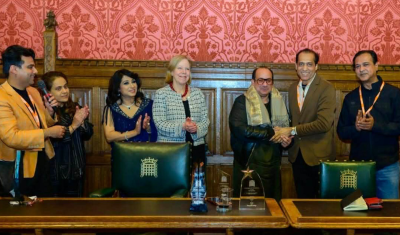
In a celebration that bridged continents, the historic House of Commons in the United Kingdom recent...

The Indian Premier League (IPL), since its inception in 2008, has undergone a profound transformatio...

Gold prices in Bangladesh have once again witnessed a sharp upward revision within a mere six-hour i...

Maxim Gorky—one of the most unforgettable names in Russian literature—was not only a writer but also...

Barcelona have been dealt a significant setback ahead of their crucial UEFA Champions League q...


Availabe for iphone & ipads

Available in google play
 বাংলা
বাংলা