Thursday, 16th April 2026

Khabor Wala Desk
Published: 1st March 2026, 6:13 AM
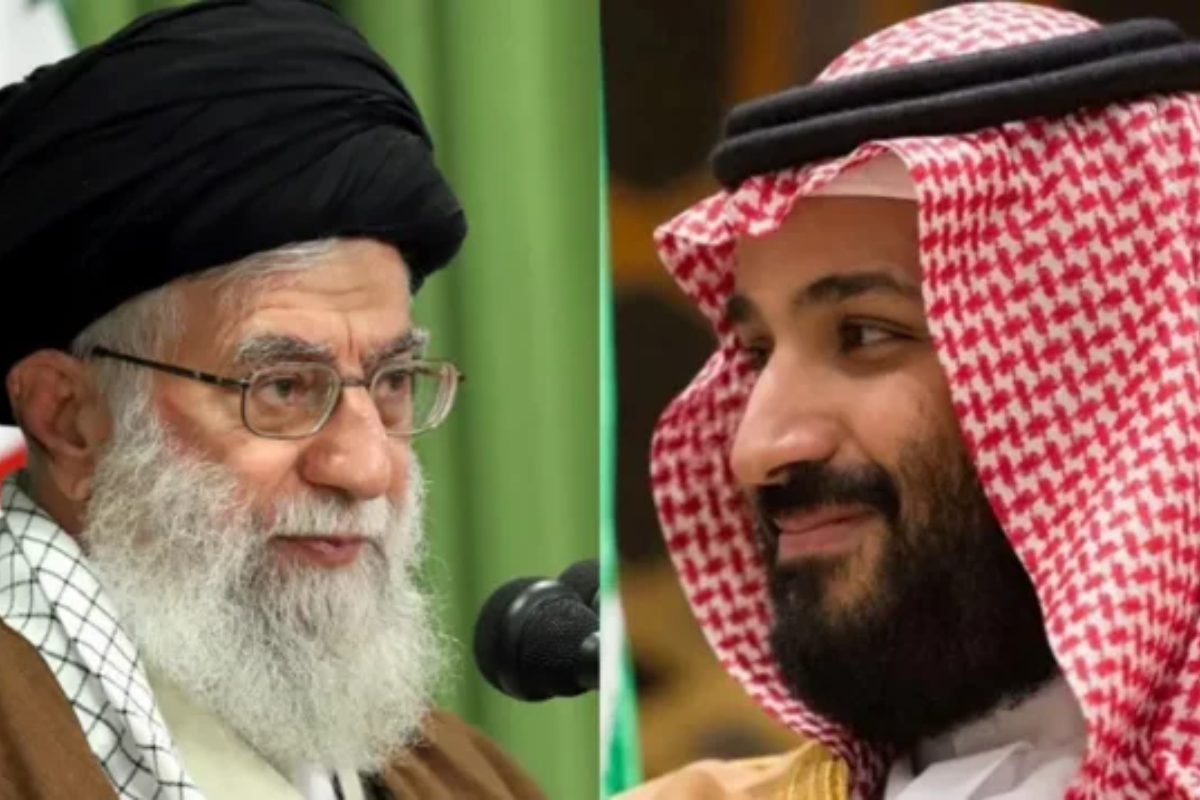
A dramatic escalation in Middle Eastern tensions unfolded on Saturday, 28 February, as coordinated air strikes by Israel and the United States targeted multiple locations across Tehran and other major Iranian cities. According to reports published by The Washington Post and Reuters, the joint operation resulted in the death of Iran’s Supreme Leader, Ayatollah Ali Khamenei, along with several senior political and military figures.
The strikes mark one of the most consequential military developments in the region in decades. While Washington and Tel Aviv have not publicly disclosed the full operational details, emerging reports suggest that Saudi Arabia may have played a pivotal, albeit discreet, role in shaping the events that led to the attack.
Investigative reporting by Reuters indicates that although Saudi Crown Prince Mohammed bin Salman publicly advocated diplomacy and stated that Saudi territory would not be used for attacks on Tehran, his private communications with United States President Donald Trump conveyed a markedly different tone. According to two sources familiar with the discussions, the Crown Prince warned that failure to confront Iran militarily could embolden Tehran and further destabilise the region.
The Washington Post described Saudi Arabia and Israel as an “unusual American-aligned pairing” in the Middle East, united by their shared concern over Iran’s regional ambitions and military capabilities. The report claims that coordinated diplomatic pressure from Riyadh and Tel Aviv influenced President Trump’s decision to authorise the operation.
In contrast to his private messages, the Crown Prince reportedly assured Iranian President Masoud Pezeshkian that Saudi airspace and territory would not be used in any assault on Tehran. However, American officials cited in the reports state that Saudi leadership repeatedly emphasised the strategic necessity of curbing Iran’s growing influence.
Reuters further reports that shortly before the attack commenced, Ayatollah Khamenei was meeting in a secure location with two senior advisers, Ali Larijani and Ali Shamkhani. The facility was subsequently targeted in what sources describe as a precision strike. The deaths of several high-ranking commanders and officials have yet to be independently verified, though Iranian state media has acknowledged “heavy losses”.
The confrontation comes amid longstanding tensions over Iran’s ballistic missile programme, regional proxy networks, and nuclear activities. The United States and Israel have consistently accused Tehran of destabilising neighbouring states and supporting armed groups across the Middle East. Saudi Arabia, which views Iran as its principal regional rival, has frequently aligned itself with Washington’s strategic objectives, despite periods of cautious diplomatic engagement with Tehran.
The following table summarises the reported positions of the key actors involved:
| Actor | Public Position | Reported Private Position | Strategic Objective |
|---|---|---|---|
| Saudi Arabia | Advocated diplomacy; denied use of territory | Urged stronger action against Iran | Contain Iranian regional influence |
| Israel | Longstanding opposition to Iranian military expansion | Supported direct military action | Neutralise security threats |
| United States | Warned Iran over nuclear and regional policies | Authorised joint strikes | Prevent further Iranian escalation |
| Iran | Condemned external interference | N/A | Maintain regime stability |
President Trump has since declared that military operations will continue until there is “a fundamental change in Iran’s governing structure”. The statement signals a potentially prolonged campaign aimed at reshaping Iran’s political leadership.
Regional analysts warn that the death of Iran’s Supreme Leader could trigger internal instability, power struggles within the ruling establishment, and possible retaliatory measures. Diplomatic channels across Europe and Asia are reportedly working to prevent a broader regional conflict.
As the situation develops, the Middle East stands at a critical juncture, with the balance of power and future security architecture of the region hanging in the balance.

Comments