Sunday, 5th April 2026

Khabor Wala Desk
Published: 26th March 2025, 7:50 PM
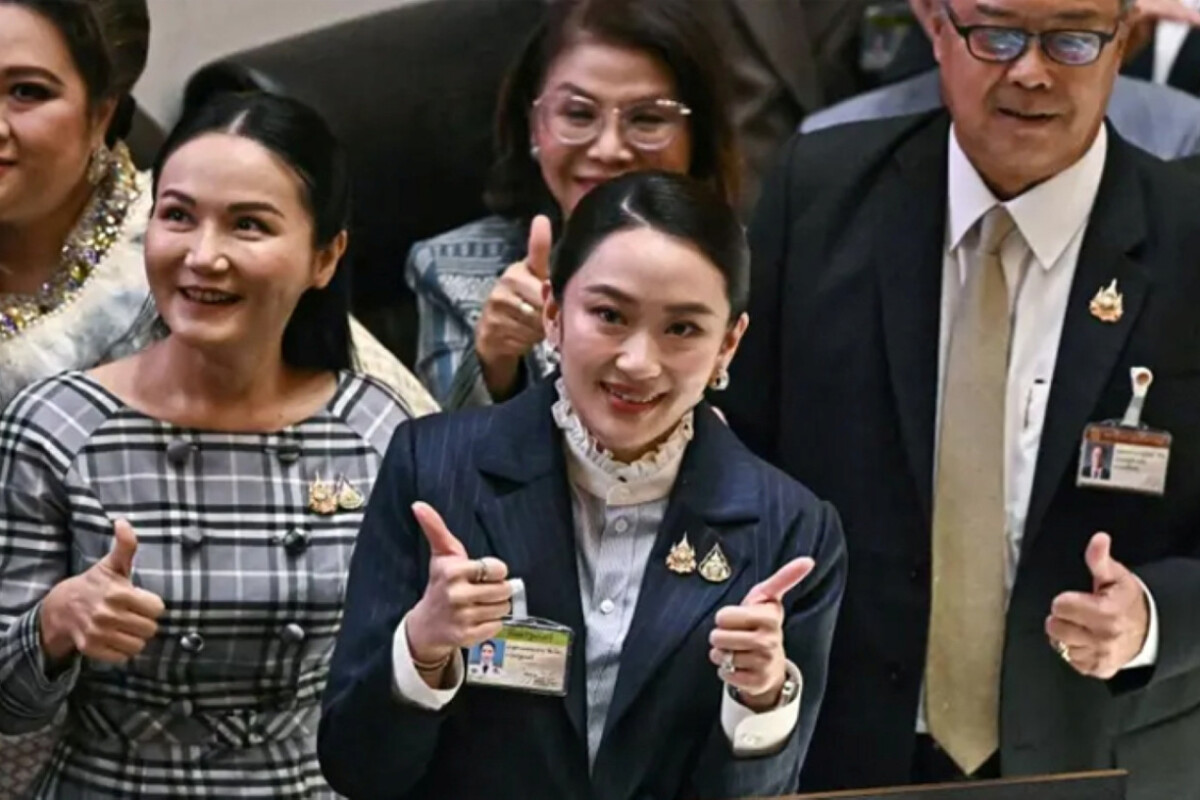
BANGKOK, 26 March 2025 (BSS/AFP) – Thai Prime Minister Paetongtarn Shinawatra has successfully overcome a no-confidence vote in parliament, defeating an opposition-led challenge that accused her of being a mere puppet of her father, former Prime Minister Thaksin Shinawatra.
Following a heated two-day censure debate, MPs voted against the no-confidence motion by 319 to 162, with seven abstentions, securing Paetongtarn’s position at the helm of Thailand’s coalition government.
After the vote, the 38-year-old leader expressed her gratitude to her supporters.
“All votes, both for and against, will be a force driving me and the cabinet to carry on working hard for the people,” she stated in a Facebook post.
Paetongtarn, who assumed office last year, has faced ongoing scrutiny over her leadership, with critics questioning her experience and political independence. Her government, led by the Pheu Thai Party—an offshoot of the political movement founded by her father—came to power following the ousting of her predecessor, Srettha Thavisin, by court order.
Thaksin Shinawatra, a deeply polarising figure in Thai politics, returned to the country in 2023 after 15 years in self-imposed exile. Convicted on corruption and abuse of power charges, he initially faced an eight-year prison sentence but served only a few months in a police hospital before receiving a royal pardon.
His early release fuelled speculation about a political backroom deal, reinforcing concerns among critics that his influence still permeates the government. While he remains immensely popular among Thailand’s rural and working-class communities, he is viewed with deep suspicion by the country’s conservative elite, who see him as corrupt and dangerously powerful.
During the parliamentary debate, opposition lawmaker Rangsiman Rome from the People’s Party accused Paetongtarn of engineering preferential treatment for her father.
“You made a deal, a demon deal, to get your father better conditions than other prisoners,” Rangsiman alleged. “The condition was that your father would not spend a single day in jail.”
Paetongtarn strongly rejected these claims, pointing out that she only assumed office months after Thaksin’s pardon was granted.
Beyond accusations of nepotism, the opposition also accused Paetongtarn of tax evasion and mismanaging the highly controversial repatriation of 40 Uyghurs to China in February.
The forced deportation of the Uyghurs sparked international outrage, with human rights organisations condemning Thailand’s actions. The United States responded by imposing visa bans on certain Thai officials, further straining diplomatic relations between Bangkok and Washington.
Despite these challenges, Paetongtarn’s victory in the no-confidence vote consolidates her government’s position—for now. However, with Thailand’s political landscape historically volatile, her leadership is likely to remain under intense scrutiny in the months ahead.




Comments