Published: 21 Mar 2025, 03:28 am
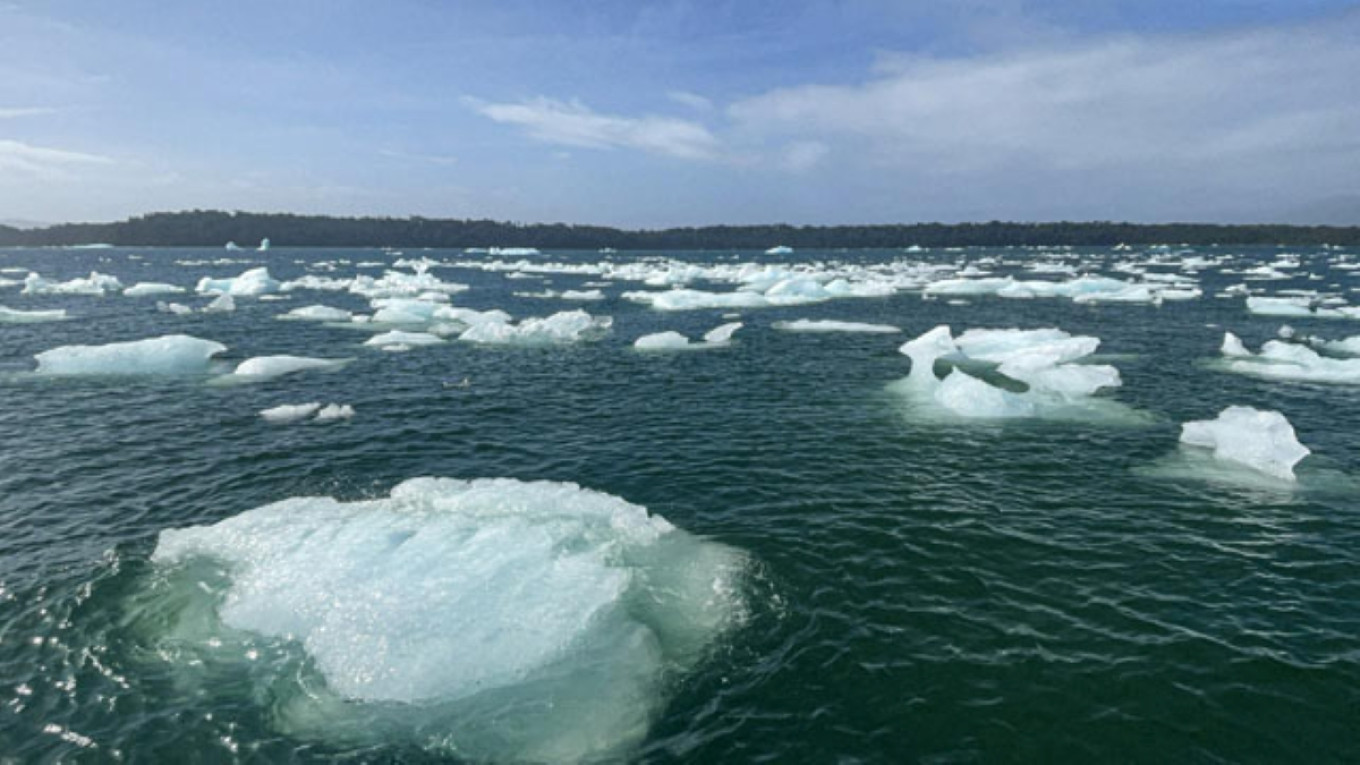
GENEVA, 21 March 2025 (BSS/AFP) – The rapid melting of glaciers, a direct consequence of global warming, is accelerating, leading to severe consequences for human lives and livelihoods worldwide.
Glacial retreat contributes to nuclear power plant shutdowns, threatens agricultural and water resources, and increases the risk of flooding in coastal cities. To mark the inaugural World Day for Glaciers, the United Nations’ World Meteorological Organization (WMO) and UNESCO have highlighted the profound impact of glacier shrinkage on daily life.
The rapid release of water from melting glaciers increases the risk of natural disasters, including floods, landslides, and avalanches. Newly formed glacial lakes risk overflowing, endangering towns and villages downstream. Furthermore, retreating glacier tongues expose unstable rock and sediment, which may collapse, escalating local hazards.
Legal action has also emerged in response to these risks. In Germany, a Peruvian farmer, Saul Luciano Lliuya, is suing German energy giant RWE, one of the world's largest carbon dioxide emitters, demanding compensation to protect his hometown of Huaraz from an overflowing glacier lake.
Initially, melting glaciers increase the volume of rivers and lakes, but this effect is temporary. Glacial meltwater reserves will eventually dry up, severely impacting freshwater supply. According to Michael Zemp, director of the World Glacier Monitoring Service, 30% of global river catchments have already surpassed their peak water availability.
Up to 60% of the world’s annual freshwater flow originates from mountains.
Over two billion people depend directly on mountain water sources.
Half of the Amazon River’s water originates from the Andes.
Regions such as Central Asia and the central Andes are at particular risk, as glaciers are often the sole water resource during the hottest and driest months.
The rising snow line due to glacier retreat is significantly altering ecosystems. Some plant species may thrive at higher altitudes, whereas others may struggle due to excessive dryness or humidity. According to Zemp, this could lead to widespread shifts in mountain biodiversity and ecological systems.
Water is crucial for sectors such as agriculture, forestry, tourism, and energy production.
In Andean countries, 85% of hydroelectric power is generated from mountain regions.
The Aymara minority in the Andes is witnessing drastic changes in pastoral practices, forcing many to migrate to urban areas.
Glacier retreat is increasingly affecting hydroelectric power generation and food security. Reduced glacial melt threatens two-thirds of the world’s irrigated agriculture, according to UNESCO.
Other water-dependent industries are also at risk. For instance, in France, rising river temperatures and declining water flow during heatwaves and droughts have led to the shutdown of nuclear power plants. Similarly, low water levels in Europe’s Rhine River have disrupted shipping routes, impacting trade and transport.
Following thermal expansion of seawater, melting glaciers are now the second-largest contributor to rising sea levels. Experts predict they will become the primary driver in the coming decades.
Global sea level has risen by 10 cm since 1993 (NASA).
Each additional millimetre of sea-level rise exposes 200,000 to 300,000 people to annual flooding.
The consequences of sea-level rise are profound. For example, in 2011, severe flooding in Bangkok disrupted the global supply of computer hard drives, leading to higher prices for electronics and shortages in the automobile industry.
As the world becomes increasingly interconnected, the effects of glacier melt extend beyond the immediate environment, impacting economies, industries, and daily life on a global scale. The challenge ahead lies in mitigating climate change to preserve these critical water sources and reduce the widespread consequences of glacial retreat.

> Mostafiz Out, Kolkata Faces Crisis
> Subarnachar Blaze Destroys 24 Shops
> Hezbollah Strikes Israeli Military Headquarters
> Child Drowns in Rural Pond Tragedy
> Four Dead, 41 Missing After Bus Sinks at Daulatdia Ferry Terminal
> Fuel Card Rule Enforced for Motorcyclists
> Nabin Fashion Branches Remain Open Amid Controversy
> Shepherd Secures $42M to Transform Commercial Insurance
> Flights Suspended Amid Regional Tensions
> Daulatdia Bus Disaster: 12 Identified


China’s leading insurer Ping An Insurance has posted a moderate increase in annual profit for 2025,...

Chief financial officers (CFOs) within the Australian insurance sector are set to play an increasing...

Bangladesh’s external debt has surged to an unprecedented level during the tenure of the interim gov...

Foreign trade between Bangladesh and the global market continues to expand steadily, driving a growi...

A sustained downturn in global gold prices appears increasingly likely as geopolitical tensions in t...
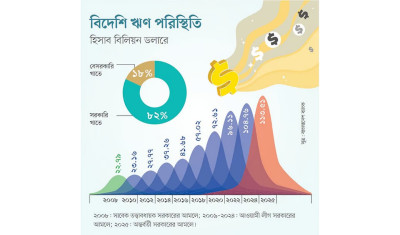
As of December 2025, Bangladesh’s total foreign debt reached $113.51 billion, equivalent to 13,96,17...

In celebration of its 25th anniversary, Allianz Malaysia Berhad has launched a year-long campaign gr...

Liberty Specialty Markets has broadened its presence in Asia with the launch of its fine art and spe...
Singapore’s domestic general insurance sector recorded notable growth in 2025, with gross written pr...
Banking in Bangladesh has entered a new phase of inclusion, expanding far beyond its traditional urb...
Shimanto Bank has entered into a strategic partnership with Astha Life Insurance Company Ltd through...
The International Monetary Fund (IMF) has called upon Bangladesh to formulate a clear, time-bound ro...


Availabe for iphone & ipads

Available in google play
 বাংলা
বাংলা