Sunday, 5th April 2026

Khabor Wala Desk
Published: 8th August 2025, 2:42 PM
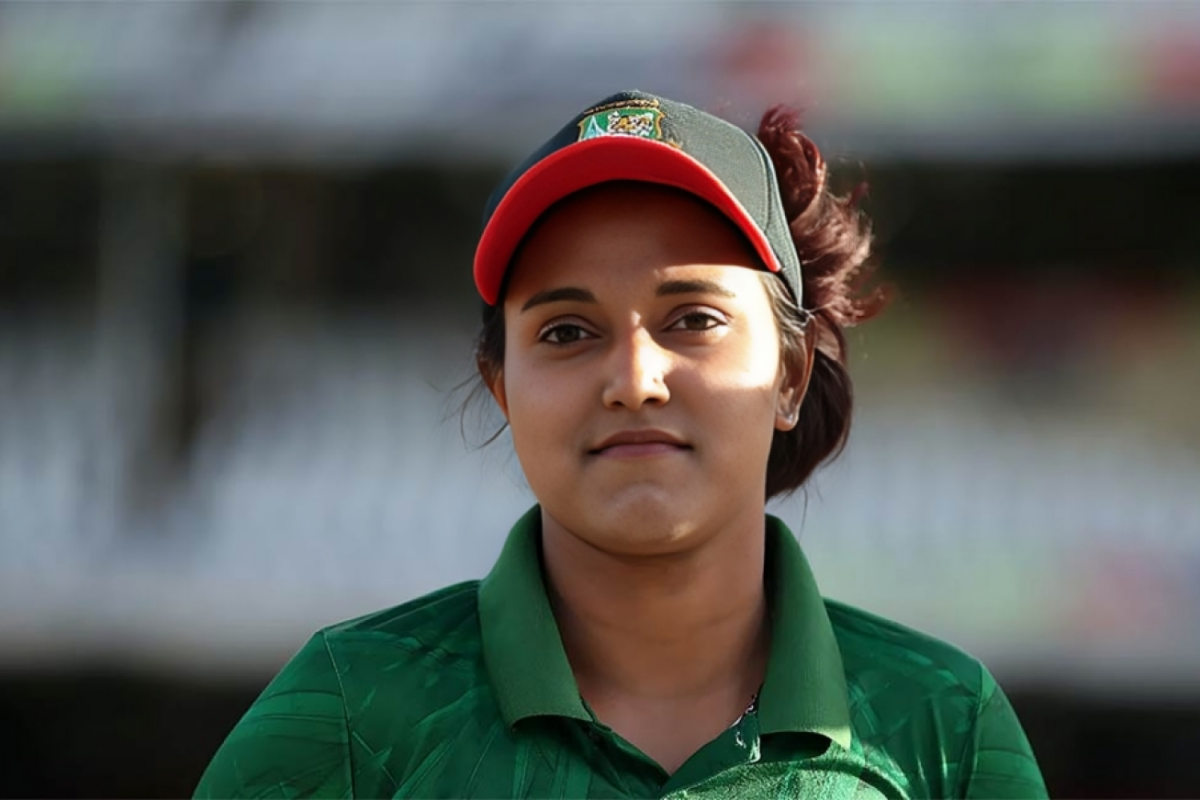
A cryptic social media post by Nigar Sultana, captain of the Bangladesh Women’s National Cricket Team, has stirred conversation and speculation across the cricketing community. On Friday morning, Nigar posted from her verified Facebook page:
“There is a difference between a cricketer and a woman cricketer, my friend.”
(Accompanied by a ‘victory’ emoji)
Though the post didn’t reference any particular incident, it rekindled long-standing concerns about gender disparity in Bangladesh cricket — especially in terms of pay, facilities, and structural recognition.
Possible Context: Women Excluded from Cricketers’ Welfare Association Activities
A likely explanation behind Nigar’s pointed remark is the ongoing controversy surrounding the Cricketers’ Welfare Association of Bangladesh (CWAB). Recent organisational activities and election preparations by CWAB have highlighted a lack of women’s representation. Meetings have been held, voter lists finalised, and election schedules announced — but without any visible involvement from female cricketers.
This has raised several questions:
| Concern | Detail |
| Representation in CWAB | No female cricketer has been seen participating in CWAB’s pre-election meetings. |
| Membership Status | It remains unclear whether women cricketers are even considered voting members. |
| Direct Communication | CWAB’s convenor Selim Shahed admitted in the media that he had not spoken to any female cricketers directly. |
| Assumed Indirect Outreach | He suggested that perhaps the two female umpires in the circuit might have communicated with the players. |
Selim Shahed stated:
“I haven’t seen any women cricketers attend any meeting so far. Nor have I received any positive response. I haven’t spoken to them directly, but I believe the two women umpires must have reached out.”
Silent Protest or Subtle Signal?
While Nigar’s post does not explicitly mention CWAB, the timing and language suggest it is a deliberate response to the systemic sidelining of women in the country’s cricket infrastructure. Her words serve as a subtle but powerful reminder that women cricketers are still fighting for equal recognition — not just as athletes, but as professionals deserving the same rights, voices, and spaces as their male counterparts.
In a country where cricket is passionately followed and increasingly commercialised, the exclusion of female players from organisational decision-making underscores a deep-rooted inequality. Nigar Sultana’s post may well be the opening line of a larger conversation the cricketing authorities can no longer afford to ignore.


Comments