Sunday, 5th April 2026

Khabor Wala Desk
Published: 7th March 2025, 3:09 AM
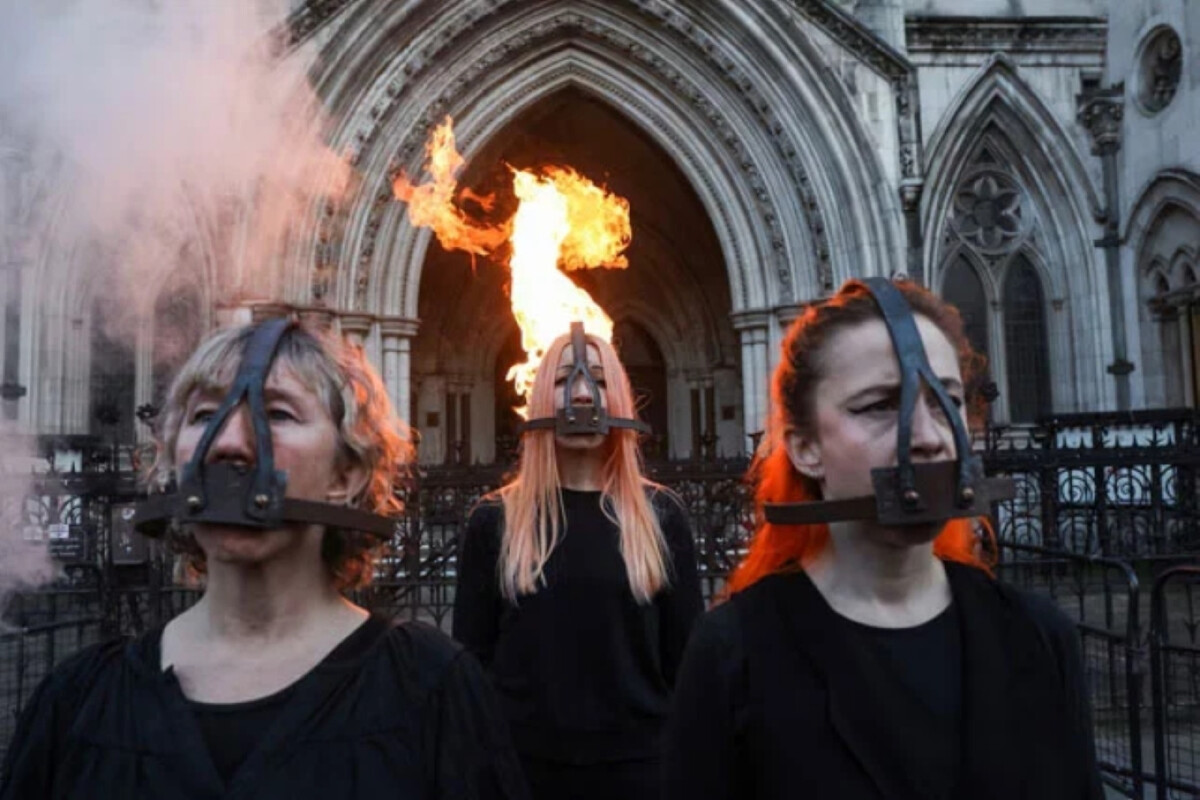
LONDON, 7 March 2025 (BSS/AFP) – Sixteen British climate activists, imprisoned for their high-profile protests, will learn on Friday whether their appeal against lengthy sentences has been successful.
During a hearing in January at London’s Court of Appeal, lawyer Danny Friedman argued that the prison terms—ranging from 15 months to five years—were “the most severe of their kind in modern British history.”
Friedman contended that the activists acted out of “sacrifice” in the “best interests of the public, the planet, and future generations,” urging the court to reduce their sentences.
Prosecutors, however, maintained that the punishments were justified, stating that the activists “went far beyond what was reasonable.” They argued that their actions posed an “extreme danger” both to the public and to the activists themselves.
Lady Chief Justice Sue Carr is set to deliver the ruling at the Court of Appeal in London at 10:00 GMT on Friday. The case is being closely followed amid growing concerns that peaceful protest in Britain is increasingly being curtailed.
High-Profile Climate Protests
Activist groups Just Stop Oil (JSO) and Extinction Rebellion have gained notoriety in recent years for their dramatic demonstrations against fossil fuel usage, which scientists warn is driving climate change.
JSO, which demands that the UK government ban fossil fuel use by 2030, has staged numerous disruptive protests at museums, sporting events, and public landmarks.
Among the 16 activists appealing their sentences are those who threw tomato soup over Vincent van Gogh’s Sunflowers painting at London’s National Gallery. Environmental organisations such as Greenpeace and Friends of the Earth have backed the appeal, describing it as “a critically important legal challenge over the right to protest.”
Other ongoing cases include charges against two JSO members accused of dousing the ancient stones of Stonehenge with orange paint powder, and two activists charged with spray-painting the tomb of naturalist Charles Darwin in Westminster Abbey.
Political and Legal Backlash
The activists’ tactics have drawn sharp criticism from politicians and the police, as well as a mixed public response. In July, five of the appellants were handed unprecedented sentences of four to five years in prison for planning to block the M25 motorway, a key transport artery around London.
Among them is Roger Hallam, 58, a co-founder of both JSO and Extinction Rebellion. Judge Christopher Hehir, while sentencing them, remarked, “The plain fact is that each of you some time ago crossed the line from concerned campaigner to fanatic.”
The previous Conservative government took an uncompromising stance against disruptive protests, passing legislation to impose harsher penalties on demonstrators engaging in direct action.
Wider Implications
The outcome of the appeal could have significant consequences for environmental activism in the UK. A ruling in favour of the activists may reinforce the right to protest, while an upheld verdict could further deter demonstrators through the threat of severe punishment.
The case comes amid a global debate over the balance between civil disobedience and legal consequences, as governments grapple with how to address climate activism in the face of increasing environmental crises.



Comments