Sunday, 5th April 2026

Khabor Wala Desk
Published: 30th March 2026, 1:15 PM
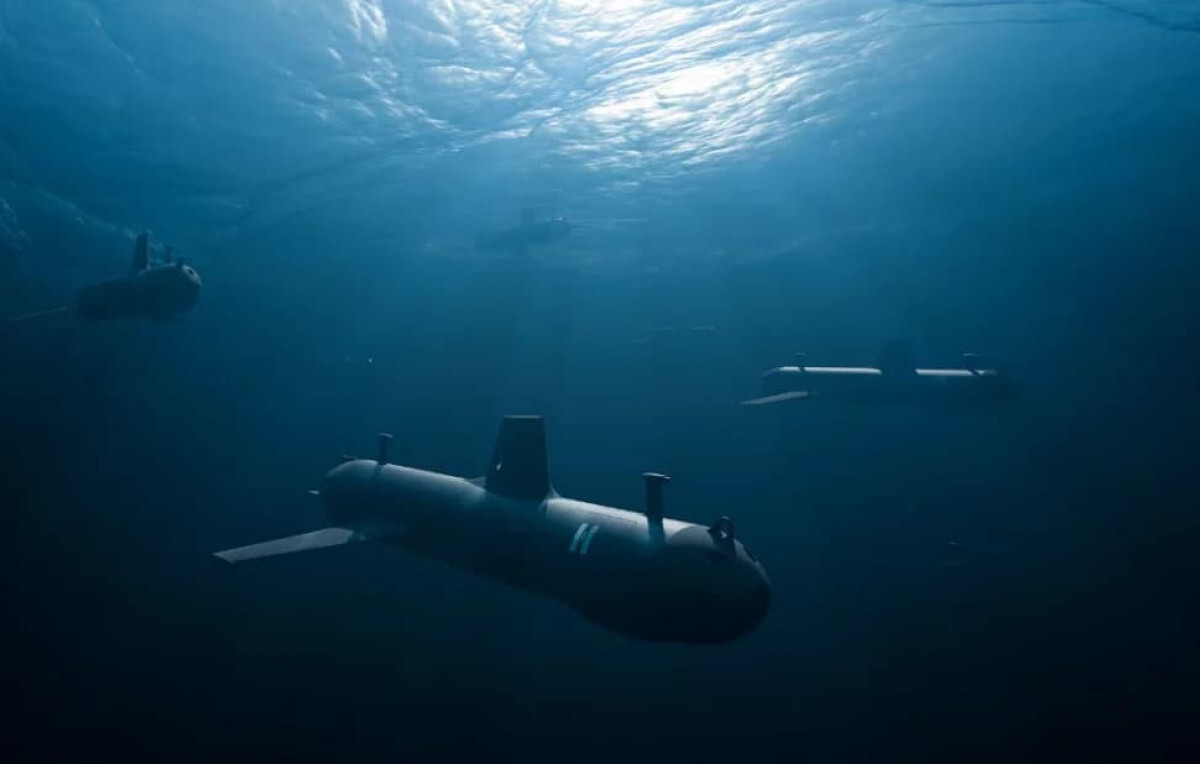
The United Kingdom is preparing to deploy advanced underwater drones to the strategically vital Strait of Hormuz in response to growing security concerns linked to alleged Iranian naval activity. The move comes amid heightened regional tensions, with Western officials warning that sea mines may have been positioned in the waterway as part of Iran’s broader military strategy.
In a recent interview, British Defence Secretary John Healey confirmed that preparations are under way to send specialised equipment to the region. He indicated that a large support vessel would transport autonomous underwater vehicles (AUVs), along with the necessary operational systems, to detect and neutralise maritime mines. The initiative is being undertaken in coordination with key allies, including the United States and France, highlighting a broader multinational effort to safeguard one of the world’s busiest energy corridors.
At the centre of the deployment is the Royal Fleet Auxiliary vessel RFA Lyme Bay, a 580-foot-long support ship traditionally used for transporting troops, vehicles, and military supplies. The vessel is currently being adapted to serve as a launch and control platform for underwater drones, marking a significant shift in its operational role.
These drones, powered by artificial intelligence, are designed to operate autonomously beneath the surface. Equipped with sophisticated sonar and sensor systems, they can identify anomalies on the seabed, locate explosive devices, and carry out precision neutralisation tasks. Defence experts suggest that such technology not only enhances operational efficiency but also reduces risks to human personnel involved in mine-clearing missions.
The Strait of Hormuz holds immense global significance. Roughly one-fifth of the world’s oil supply passes through this narrow maritime corridor, making it a critical artery for international trade and energy security. Any disruption—whether through military escalation or the presence of naval mines—could have far-reaching economic consequences, including spikes in global energy prices and shipping delays.
To reinforce maritime security, the UK is also planning to deploy additional naval and air assets to the region. These will include warships and surveillance aircraft tasked with escorting commercial vessels and monitoring potential threats. Officials emphasise that the objective is not escalation but deterrence and the protection of international shipping lanes.
Below is a summary of key elements related to the operation:
| Aspect | Details |
|---|---|
| Location | Strait of Hormuz |
| Strategic Importance | ~20% of global oil trade passes through |
| Threat | Suspected naval mines |
| Technology Used | AI-powered underwater drones |
| Deployment Vessel | RFA Lyme Bay (580 ft) |
| Allied Support | United States, France |
| Additional Measures | Warships and aircraft for escort duties |
Analysts view this deployment as part of a broader shift towards technology-driven naval operations, where unmanned systems play a central role in maintaining maritime security. As geopolitical tensions persist, such innovations are likely to become increasingly critical in ensuring the stability of global trade routes.




Comments