Sunday, 5th April 2026

Khabor Wala Desk
Published: 17th September 2025, 11:09 AM
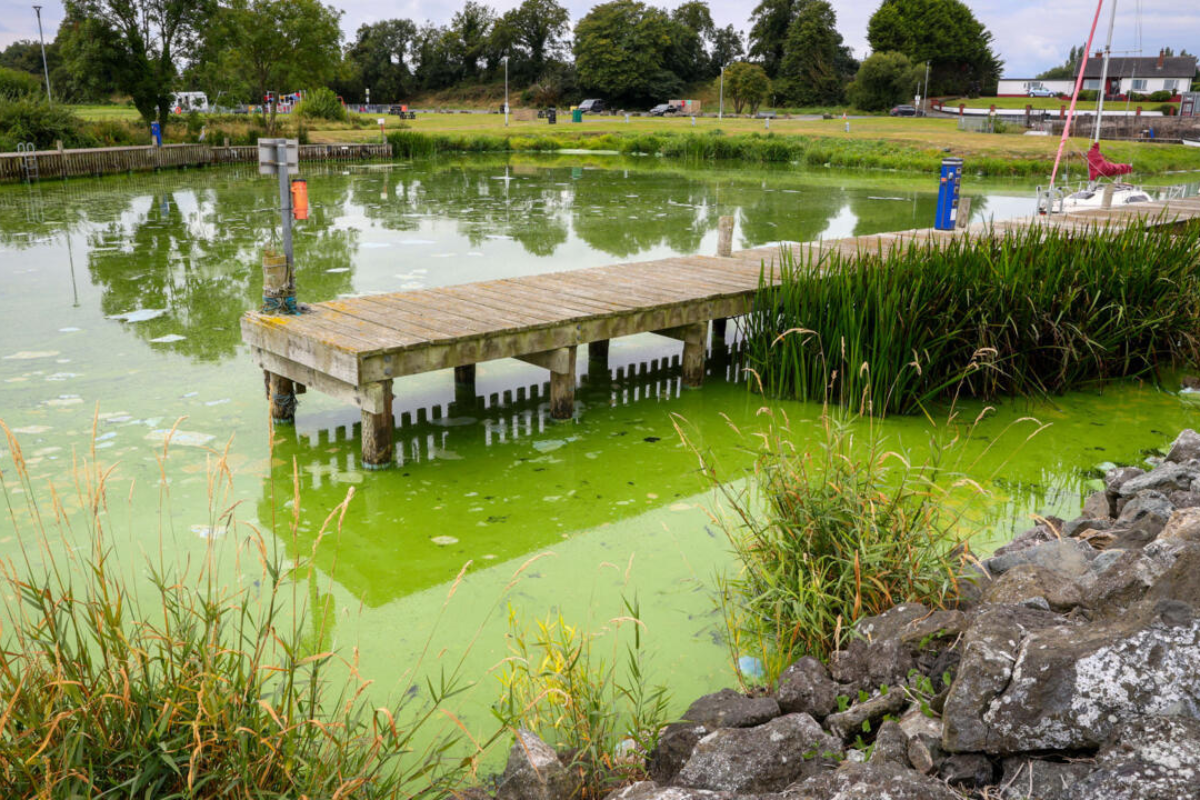
For the third consecutive year, toxic blue-green algae blooms—resembling pea soup and emitting a foul odour akin to rotten eggs—have covered much of Lough Neagh, the largest lake in the UK and Ireland.
This summer, however, locals report that the thick green veneer—so extensive it is even visible from space—has been worse than ever.
“The lake is dying,” said Mary O’Hagan, an open-water swimmer, as she observed ducks struggling over slick, algae-coated stones at Ballyronan, on the lake’s western shore.
Experts attribute the algae proliferation to a combination of industrial, agricultural, and sewage pollution, compounded by climate change.
The impacts are significant:
Bathing is officially prohibited in many areas along the lake’s 78-mile shoreline, including Ballyronan, 34 miles (54 km) west of Belfast.
Sources of pollution cited by environmentalists include:
| Source | Description |
| Agricultural runoff | Nutrient-rich fertiliser and slurry from farms supplying mega-firms like Moy Park |
| Sewage | Untreated sewage spills and septic tank effluent |
Moy Park has denied responsibility, emphasising that the poultry sector is highly regulated, with strict wastewater limits and waste management plans.
“The majority of Northern Ireland poultry litter (over 92%) goes to bioenergy, composting, or other alternatives to land spreading,” the company stated, calling the issue “complex” and not linked to any one sector.
For O’Hagan, 48, Lough Neagh was a lifeline during the COVID years. Swimming was her only exercise and helped her through personal struggles. Now she relies on local pools.
“Swimming here with its spectacular sunrises helped me when I was in a bad place. It’s heartbreaking to see it now,” she said as green-tinted waves lapped the shore.
O’Hagan has joined the “Save Lough Neagh” campaign, calling for:
The invasive zebra mussel, recently introduced to the lake, has mixed effects:
The algae has severely affected wildlife:
Hagan’s family, historically reliant on eel fishing, has now turned to running a pizza truck, though the lake’s foul odour deterred tourists this summer.
Local entrepreneur Gavin Knox, 48, runs a paddleboarding business catering to families and people with disabilities. The algae bloom has caused bookings to dry up, making the business unviable.
“Even if there are safe places to paddle, nobody wants to do it when the fish are dying and birds are covered in green slime,” he told AFP.
Knox remains angry at the lack of government compensation, despite repaying a large start-up loan.
Last July, the Northern Ireland government launched an action plan to address the crisis. However:
With approximately 40% of Northern Ireland’s drinking water supplied by Lough Neagh, the threat of a public health emergency could force more decisive action.
Local slurry expert Les Gornall, nicknamed “Doctor Sludge”, warned: “If Belfast suddenly cannot guarantee a clean water supply, then there would be a property and tourism crash. Maybe that prospect will jolt them into fixing the lake.”
Key Statistics
| Issue | Impact |
| Algae coverage | Visible from space, foul odour, toxic blooms |
| Shoreline | 78 miles, many areas banned for bathing |
| Economic impact | Fishing, watersports, tourism, small businesses affected |
| Wildlife | Trout, eels, Lough Neagh fly populations decimated |
| Government action | Less than 50% of measures implemented, timeline extends into 2026 |
The situation at Lough Neagh represents a critical environmental, economic, and public health challenge for Northern Ireland, with urgent action required to prevent further ecological collapse.



Comments