Sunday, 5th April 2026

Khabor Wala Desk
Published: 5th December 2025, 8:04 PM
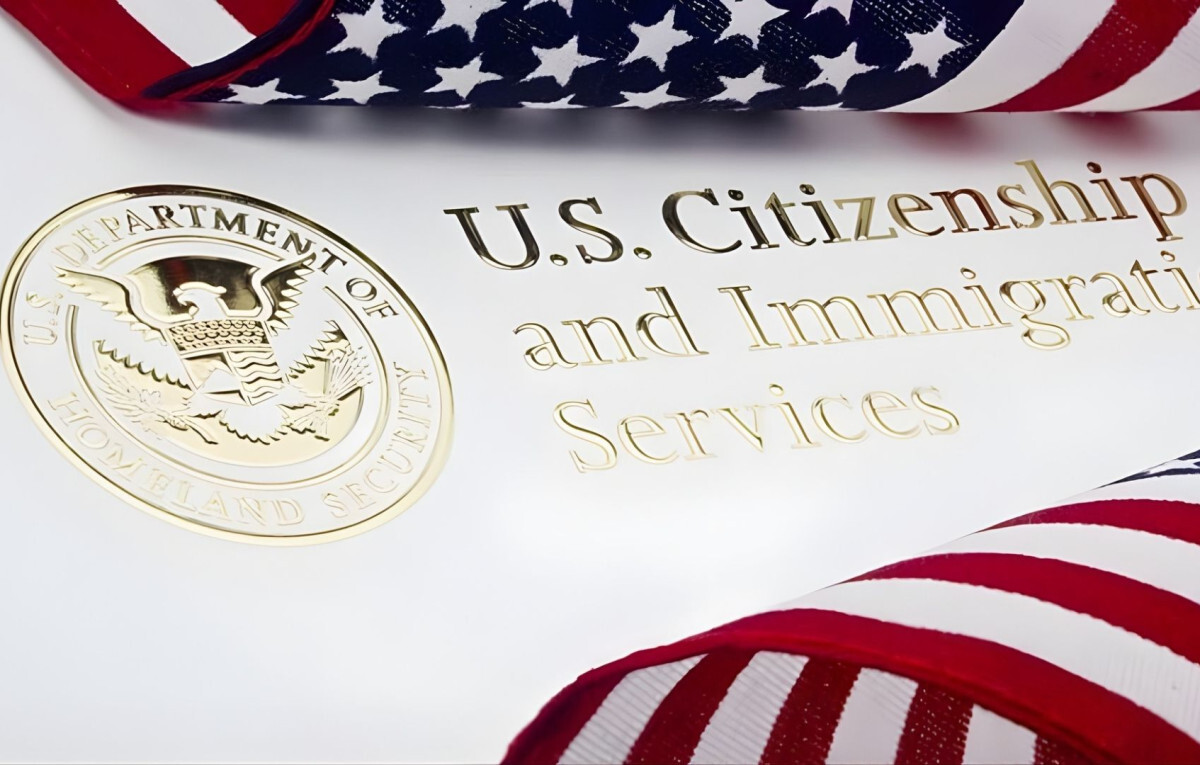
The United States has announced a significant change to its immigration policy by shortening the validity period of Employment Authorisation Documents (EADs) issued to foreign refugees and asylum seekers. Previously valid for five years, these work permits must now be renewed every 18 months, marking a considerable increase in administrative obligations for affected individuals.
The EAD serves as a formal work permit, allowing non-US citizens to engage in lawful employment across the country. Under the old system, qualifying foreign nationals were required to renew this document only once every five years, giving them a degree of stability and reducing bureaucratic burdens. However, the latest directive from the US Citizenship and Immigration Services (USCIS), under the Department of Homeland Security, has changed this arrangement substantially.
According to Thursday’s announcement from USCIS, the revised rules apply not only to refugees and asylum seekers but also to migrants who have escaped the threat of forced repatriation to their home countries. In total, individuals in nineteen separate immigration categories will be subject to the new, shorter validity period.
The decision comes in the wake of the Trump administration’s renewed crackdown on both illegal and legal immigration. After winning the 2024 presidential election, Donald Trump assumed office on 20 January and swiftly moved to implement several executive orders targeting immigration processes. These actions aligned with his campaign pledges to take a tougher stance on border security, unauthorised entry, and the broader immigration framework.
One of the most widely discussed measures introduced by the current administration is the drastic increase in fees for the H-1B visa programme, which allows multinational companies to hire skilled foreign professionals, researchers and IT specialists. Previously costing around 1,500 US dollars, the fee has been raised to an unprecedented 100,000 dollars, effectively restricting access to all but the wealthiest applicants or employers. This move has been heavily criticised by business groups, immigration advocates, and several state leaders who fear it will weaken America’s competitiveness in science, technology and innovation.
Recent national tensions have further fuelled the tightening of immigration policies. Last week, in Washington DC, the fatal shooting of two National Guard members by an Afghan refugee prompted a dramatic response from the federal government. As an immediate measure, the US suspended all immigration-related activities for citizens of nineteen countries, including Afghanistan, Myanmar, Cuba, Iran, Libya and Yemen. The suspension has sparked concern among international organisations and human rights groups, who argue that blanket restrictions may unfairly target civilians fleeing conflict or persecution.
In addition, US Secretary of Homeland Security Kristi Noem revealed in an interview with Fox News that the department is preparing to impose entry bans on citizens from more than thirty countries. While details have not yet been published, the announcement signals a broader shift towards isolationism and more selective immigration.
Critics argue that reducing the validity of EADs will exacerbate uncertainty for refugees and asylum seekers, many of whom already face prolonged waiting times, legal complexity and employment challenges. Frequent renewals every 18 months may lead to gaps in authorisation, job insecurity and heightened anxiety among immigrant communities. Immigration lawyers have also warned that the move will place additional pressure on the USCIS, an agency already grappling with significant processing backlogs.
Despite these concerns, the administration maintains that the reforms are necessary to strengthen national security, ensure more frequent review of applicants’ statuses and prevent potential misuse of immigration pathways. Refugee support groups, however, insist that such changes may deter vulnerable individuals from seeking protection in the United States.
For now, the new policy has taken effect, and millions of immigrants—refugees, asylum seekers and those under humanitarian protection—are preparing for a more demanding renewal cycle under the tightened immigration regime.



Comments