Sunday, 5th April 2026

Khabor Wala Desk
Published: 3rd February 2026, 9:26 AM
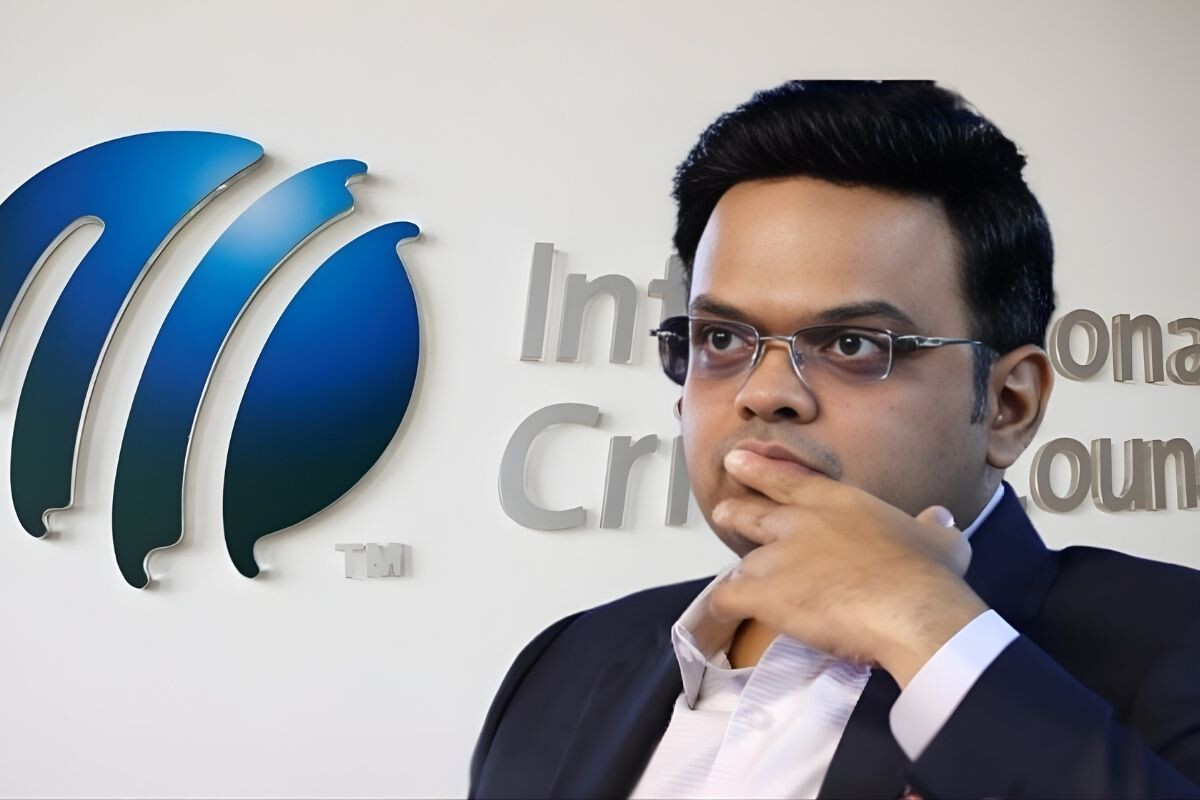
Speculation has intensified within international cricket after Pakistan announced it would boycott its group-stage match against India at the forthcoming ICC Men’s T20 World Cup. While initial reactions focused on possible sanctions, senior figures with experience inside the ICC insist that punitive action against Pakistan is neither realistic nor permissible under the organisation’s framework.
The India–Pakistan fixture, scheduled for 15 February in Colombo, Sri Lanka, is widely regarded as the most commercially valuable match of the tournament. On Sunday, however, the Pakistani government formally instructed the national team not to take the field against India. The Pakistan Cricket Board (PCB) promptly conveyed this position, triggering concern within the ICC over the sporting and financial consequences.
Within hours of the announcement, the ICC contacted the PCB to outline the potential ramifications and urged Pakistan to reconsider its stance. Reports soon emerged suggesting that Pakistan could face fines, reductions in its share of ICC revenue, or other disciplinary measures. Given the global audience and broadcasting value attached to India–Pakistan contests, the possibility of substantial financial losses for the tournament has also been widely discussed.
Yet these claims were firmly dismissed by Ehsan Mani, former chairman of both the PCB and the ICC, who described the idea of punishing Pakistan as fundamentally flawed. In an interview with Sportstar, Mani argued that a cricket board cannot be sanctioned for complying with a direct government directive.
“Pakistan cannot be punished for obeying instructions issued by its government,” Mani said. “The same principle applied when India declined to travel to Pakistan for the 2025 Champions Trophy, citing governmental clearance issues. The ICC cannot adopt a double standard.”
Mani’s remarks underline a long-standing reality in international cricket: national boards operate within the constraints of domestic political authority. This is particularly relevant in Pakistan’s case, where the PCB chairman simultaneously holds a ministerial position in government, making the separation between sport and state even less distinct.
He also criticised the ICC’s handling of such disputes, suggesting that the governing body too often limits itself to observation rather than mediation. “Unfortunately, the ICC continues to act as a spectator instead of addressing the root of the problem,” Mani added. “Every country retains the option of government intervention, whether the ICC likes it or not.”
| Item | Detail |
|---|---|
| Match | India vs Pakistan (Group Stage) |
| Tournament | ICC Men’s T20 World Cup |
| Scheduled Date | 15 February |
| Venue | Colombo, Sri Lanka |
| Pakistan’s Position | Match boycott following government directive |
| ICC’s Response | Requested reconsideration; outlined possible consequences |
| Expert View | Sanctions unlikely due to government involvement |
While the standoff has reignited debate about politics intruding into sport, Mani’s intervention makes one point clear: under existing precedents, the ICC has little room to penalise Pakistan for a decision rooted in state policy. Whether the governing body can broker a compromise before the tournament begins remains the more pressing—and unresolved—question.

Comments