Sunday, 5th April 2026

Khabor Wala Desk
Published: 28th September 2025, 1:36 PM
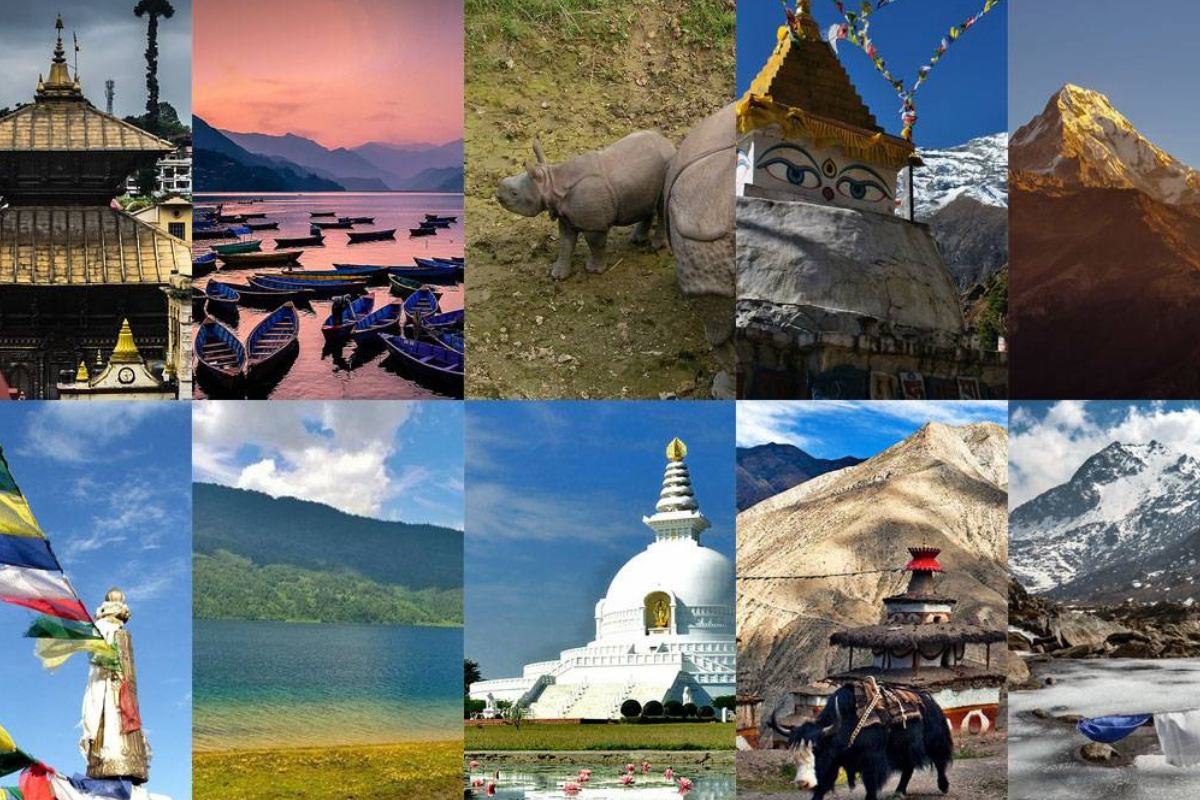
Nepal has long been a prime destination for global travellers. Adventure seekers flock to the Himalayas for mountaineering, devotees of Buddhism and Hinduism visit the country’s sacred pilgrimage sites, and many simply come to enjoy a relaxing holiday in the mountainous landscapes.
Last year, Nepal welcomed at least 1 million tourists, and for 2025, the country had anticipated 1.5 million visitors.
However, in early September, the Janajati-Zenji (Jenzi) protests, accompanied by violence and fatalities, severely disrupted the inflow of tourists.
Officials and leaders in Nepal’s tourism industry stated that the unrest occurred during the autumn season, which is traditionally Nepal’s peak tourist period. The timing has therefore significantly affected one of the country’s major economic sources.
Although Nepal remains completely safe for travellers, the number of visitors has already fallen by 40%.
Nepal Tourism Board Chief, Deepak Raj Joshi, told the BBC: “Before the protests, Nepal saw at least 3,200 tourists arriving daily. Now, this has fallen to around 1,300 per day.”
According to Yogendra Shakya, coordinator of the government’s “Visit Nepal 2011” promotional campaign:
The tourism sector accounts for nearly 8% of Nepal’s GDP, generating around 300 billion Nepalese rupees annually. It is the country’s second largest source of foreign currency earnings and supports 10% of employment in Nepal.
The recent decline in tourist arrivals, therefore, represents a significant economic challenge, threatening revenue, employment, and the livelihoods dependent on this vital sector.
| Metric | Figure |
| Expected tourists in 2025 | 1.5 million |
| Tourist decline due to unrest | 40% |
| Daily tourists before unrest | 3,200 |
| Daily tourists after unrest | 1,300 |
| Tourism contribution to GDP | 8% |
| Annual revenue from tourism | 300 billion NPR |
| Employment supported by tourism | 10% |
Authorities are urging calm and highlighting Nepal’s safety to encourage tourists to return, but the short-term economic impact remains substantial.




Comments