Monday, 4th May 2026

Khabor Wala Desk
Published: 10th March 2026, 10:03 AM
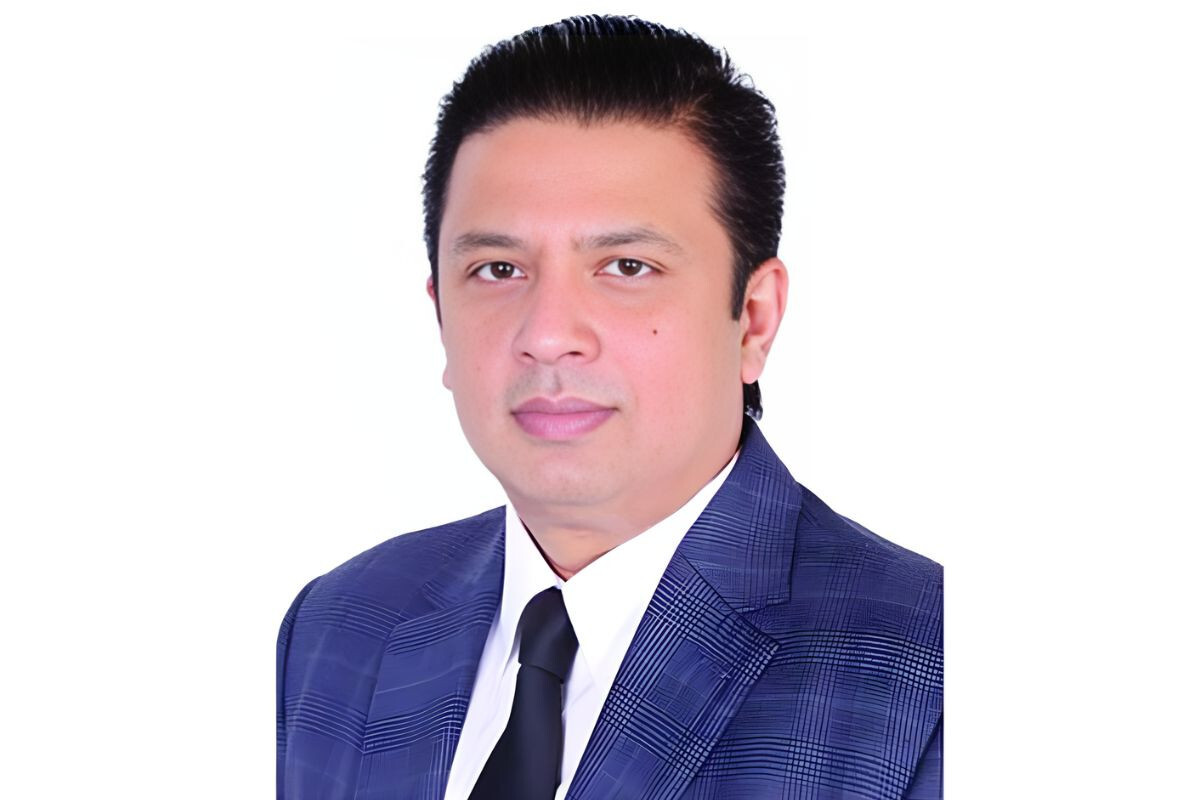
Dhaka Chamber of Commerce and Industry (DCCI) President, Taskin Ahmed, has warned that Bangladesh’s economy is under mounting pressure due to high interest rates, bureaucratic bottlenecks, and weak policy frameworks. He noted that private sector credit growth has slowed to historically low levels, signalling potential stagnation in business expansion. Ahmed shared these insights during a seminar organised by the DCCI yesterday, titled “Reviewing Bangladesh’s Current Economy and Future from a Private Sector Perspective.”
The seminar featured Planning State Minister Md. Junaid Abdul Rahim Saki as the chief guest, who joined virtually. The event also included prominent figures such as Dr. Manjur Hossain, Member (Secretary) of the Bangladesh Planning Commission; A. H. M. Jahangir, Additional Secretary and Project Director of the Support to Sustainable Graduation Project (SSGP); and Dr. Mohammad Aktar Hossain, Chief Economist of Bangladesh Bank.
Other distinguished participants in the discussion panel included Dr. Zaidy Sattar, Chairman of the Policy Research Institute of Bangladesh (PRI); Dr. A. K. Enamul Haque, Director General of the Bangladesh Institute of Development Studies (BIDS); Dr. Mohammad Abu Yusuf, Professor of Development Studies at Dhaka University; Dr. M. Riaz Asadullah, Professor at the University of Reading, UK; and Faisal Samad, Director of BGMEA and Managing Director of Surma Garments.
State Minister Saki highlighted the government’s preparedness to mitigate the impact of the ongoing Middle East crisis. He emphasised that, although there is considerable scope for domestic credit expansion, insufficient attention has forced Bangladesh to rely heavily on local and international borrowing.
Taskin Ahmed further stressed that geopolitical tensions, particularly between Iran, the United States, and Israel, are severely disrupting global trade. He noted that the country’s private sector remains vulnerable due to heavy import dependence for industrial fuel, while new US tariff policies could adversely affect both domestic and international trade and investment.
Dr. Mohammad Aktar Hossain of Bangladesh Bank warned that inflation currently stands at 9 per cent. However, the unfolding Middle East crisis could destabilise the economy further. He urged the adoption of a contractionary monetary policy to prevent inflation from escalating and cautioned against sudden interest rate reductions or excess liquidity in the market.
Faisal Samad of BGMEA highlighted that Bangladesh’s export markets in the US and EU are increasingly risky due to the absence of free trade agreements. He called for urgent policy interventions and noted that high bank lending rates are hindering entrepreneurial activity, underscoring the need for proper utilisation of Bangladesh Bank’s GTF fund.
| Concern | Current Situation | Potential Risk | Recommended Action |
|---|---|---|---|
| Private sector credit growth | Historically low | Slow business expansion | Increase credit accessibility |
| Inflation | 9% | Further spike due to global crises | Adopt contractionary monetary policy |
| Export markets | Risky (US/EU) | Reduced competitiveness | Secure trade agreements, policy support |
| Fuel imports | High dependency | Industrial cost volatility | Diversify energy sources, strategic reserves |
| Bank lending rates | High | Entrepreneurship slowdown | Optimise GTF fund usage, lower interest barriers |
The seminar concluded with a shared consensus among stakeholders that a combination of robust policy measures, strategic trade planning, and prudent monetary management is crucial to stabilise Bangladesh’s economy amid domestic and global challenges.


Comments