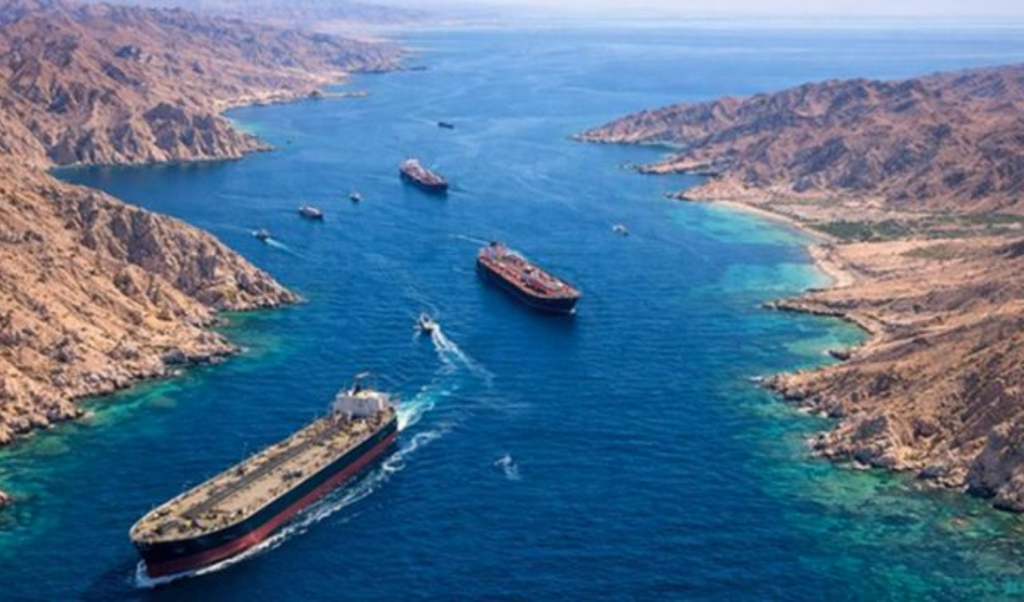
The Iranian administration has reportedly submitted a comprehensive new diplomatic proposal to the United States, aimed at resolving the current geopolitical impasse in the Middle East. According to a report published on Monday by the American news outlet Axios, Tehran has signalled its willingness to facilitate the cessation of hostilities and the full restoration of maritime traffic through the Strait of Hormuz. However, the proposal explicitly requests the temporary suspension of negotiations regarding Iran’s nuclear programme until preliminary security and economic conditions are met.
Diplomatic Channels and Mediation
Citing an anonymous US official and two additional sources familiar with the matter, the report indicates that Iranian Foreign Minister Abbas Araghchi presented this strategic outline during his recent official visit to Islamabad. The proposal was disseminated through a quartet of mediating nations: Pakistan, Egypt, Turkey, and Qatar.
During these high-level discussions, Minister Araghchi acknowledged that the Iranian leadership has yet to reach a definitive internal consensus on how to address Washington’s specific demands regarding its nuclear activities. This internal deliberation appears to be the primary driver behind the structured, three-phase approach presented to the White House via Pakistani intermediaries.
The Three-Phase Framework
The Iranian proposal outlines a sequential methodology designed to de-escalate regional tensions before tackling the contentious nuclear issue. The three-phase outline is structured as follows:
-
Cessation of Hostilities and International Guarantees: Tehran seeks a comprehensive end to current conflicts, supported by binding international and legal guarantees. Specifically, the proposal demands assurances that no further military strikes will be conducted against Iranian or Lebanese territories. This phase focuses on establishing a baseline of regional security and sovereign protection.
-
Maritime Security and Sanctions Relief: Following the establishment of security guarantees, the second phase involves the creation of a new legal and operational framework for the Strait of Hormuz—a critical global energy artery through which approximately one-fifth of the world’s total oil consumption passes. This framework would be developed in coordination with the Sultanate of Oman. Crucially, this stage is contingent upon the United States rescinding the economic sanctions currently imposed on Iran.
-
Nuclear Negotiations: Only upon the successful completion of the first two phases does Tehran propose to re-engage in formal discussions regarding its nuclear programme. By placing this at the final stage, Iran effectively seeks to decouple immediate regional security and economic survival from the long-standing atomic dispute.
Divergence in Strategic Priorities
The Iranian proposal represents a significant tactical departure from the current American position. Washington has consistently maintained that any lasting diplomatic resolution must begin with Iran’s total cessation of uranium enrichment and the transfer of its existing enriched stockpiles. In contrast, Tehran’s new initiative prioritises regional ceasefire and the restoration of trade routes as immediate prerequisites.
The Strait of Hormuz remains a focal point of this diplomatic maneuver. As a narrow chokepoint between the Persian Gulf and the Gulf of Oman, its operational status is vital for global energy markets. Iran’s offer to institutionalise a new legal framework for the waterway suggests a desire to leverage its geographic position to secure the lifting of sanctions that have severely impacted its domestic economy.
Context and International Response
While Tehran continues to assert that its nuclear programme is intended solely for peaceful, civilian purposes, the United States and its regional allies remain sceptical. The international community, including major stakeholders cited by RT, Gulf News, and The Wall Street Journal, is now closely monitoring Washington’s response to this phased approach.
The inclusion of Oman as a coordinating partner in phase two reflects the Sultanate’s historical role as a neutral facilitator in Middle Eastern diplomacy. Furthermore, the involvement of Pakistan and Qatar as primary conduits underscores the multi-lateral nature of the current effort to prevent a wider regional conflict. Whether this proposal will lead to a breakthrough or further entrench the existing diplomatic divide remains a subject of intense scrutiny within international relations circles.