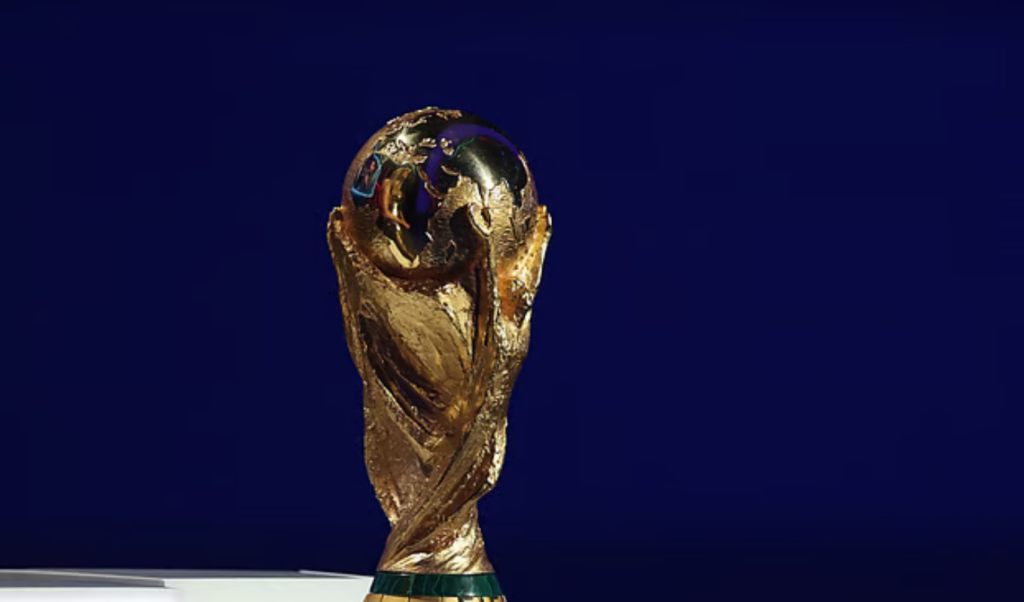
Since the FIFA World Cup draw on 5 December last year, a chain reaction of rising expenses—dubbed the ‘Domino Effect’—has sent shockwaves through the global football fan community. Ticket prices are surging, and accommodation costs in host cities are climbing at an unprecedented rate.
Fans planning to watch matches live are now being advised to increase their credit card limits, as attending the tournament is set to be the most expensive in history, according to a report by The Athletic.
Sky-High Ticket Prices
The primary driver of these extraordinary costs is ticket pricing. Record-breaking demand has intensified competition, with nearly 500 million applications submitted between 11 December and 13 January for the lottery allocation. From 5 February, FIFA will begin notifying fans via email about their successful applications.
FIFA President Gianni Infantino has warned that many supporters will resell tickets for profit, pushing prices beyond the reach of ordinary fans. Securing a ticket is merely the first step; travel and accommodation present further financial hurdles.
Accommodation Costs Soar
Fans hoping to find budget lodging through platforms such as Airbnb or Booking.com are facing sticker shock. For example:
| Location | Standard Rate | World Cup Rate | % Increase |
|---|---|---|---|
| MetLife Stadium, New Jersey | $153 per night | $4,510 per night | 2,848% |
| Seven-bedroom house, Short Hills | $10,000 for 3 nights | $35,000 for 3 nights | 250% |
| Short-term rentals, Los Angeles | $1,200 | $2,652 | 121% |
Airbnb reports a 160% surge in accommodation searches following the draw. Many cities simply lack sufficient hotel capacity to absorb the influx of tourists, raising concerns over overcrowding and affordability.
Parking Costs Rival Tickets
The expense of attending matches extends beyond lodging. In Los Angeles, official FIFA parking spots are priced between $250–$300, exceeding the cost of many ticket categories. Fans paying $300 may still have to walk over a mile to reach the stadium, with FIFA considering a 20–25-minute walk “reasonable under local conditions.”
Cancellations and Price Gouging
Some property owners are cancelling earlier bookings to exploit rising demand. Croatian fan Anthony Zoric, who booked a Dallas property for $327, found it cancelled post-draw under the guise of “maintenance.” Within an hour, the same property was relisted at $917—a threefold overnight increase.
Airbnb has pledged to penalise and block non-compliant hosts, but many fans remain frustrated. English supporter John Sear recounted being told his Boston booking had failed due to a “software error,” likely a tactic to re-list at higher prices.
The ‘World Cup Effect’
Since June 2025, Airbnb has been an official FIFA partner, with projected transactions for the 2026 World Cup expected to reach approximately $1.2 billion. This mirrors past US phenomena such as the “Taylor Swift Effect” or “Beyoncé Effect,” where large-scale events significantly boosted local economies.
From tickets to lodging and parking, the 2026 World Cup is poised to demonstrate the full scope of the ‘World Cup Effect,’ with fans worldwide experiencing its financial impact until the tournament concludes on 19 July 2026.