A Stained Chapter in the History of Independence, Bleeding of the National Conscience
For Bengal, 3 November is not merely a mournful day; it is a deep wound, a stained chapter, and a name of indescribable agony in the history of independent Bangladesh. Inside the highly secure cells of the Dhaka Central Jail—a place universally regarded as a sanctuary of state security and the rule of law—one of the most brutal and savage massacres in the history of independent Bangladesh took place.
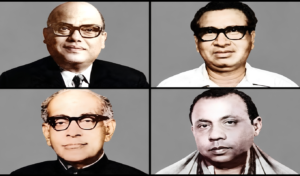
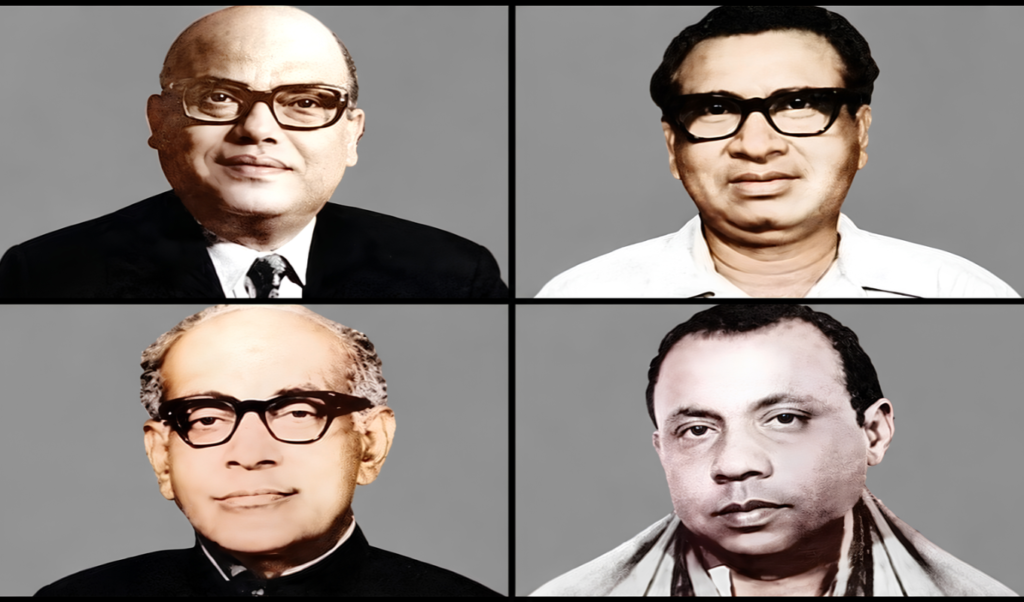
It was 3 November 1975. The deep night was just giving way to the dawn. Barely three months after the brutal assassination of the Father of the Nation, Bangabandhu Sheikh Mujibur Rahman, and most of his family members on the fateful night of 15 August, political instability, conspiracies, and power struggles were gripping the country. Amidst that volatile situation, four principal national leaders of the liberation war era were murdered while in confinement inside the Dhaka Central Jail.
They were:
-
Syed Nazrul Islam The first acting president of Bangladesh and acting president of the Mujibnagar Government.
-
Tajuddin Ahmad The first Prime Minister of independent Bangladesh and Prime Minister of the wartime Mujibnagar Government.
-
Captain M. Mansur Ali The Finance Minister of the Mujibnagar Government and a close political comrade of Bangabandhu.
-
A. H. M. Kamaruzzaman The Relief and Rehabilitation Minister of the Mujibnagar Government and one of the prominent leaders of national politics.
These four figures were far more than mere political personalities; they were the four frontline pioneers of the struggle for independence, the trusted comrades of Bangabandhu, and an inseparable part of the history of the Liberation War.
The Unforgettable Role of the Four National Leaders in the Struggle for Independence
When the Pakistan occupation army unleashed a genocide on 25 March 1971, Bangabandhu Sheikh Mujibur Rahman was arrested and taken away to West Pakistan. In the absence of Bangabandhu, these four national leaders took upon their shoulders the historic responsibility of organizing and directing the War of Liberation.
On 10 April 1971, the first provisional government of Bangladesh was formed, taking formal oath on 17 April at the mango grove of Baidyanathtala in Meherpur. That historic site earned its place in history under the name “Mujibnagar.”
Syed Nazrul Islam led the state as the Acting President. Tajuddin Ahmad directed the political, administrative, and diplomatic operations of the war as Prime Minister. Captain M. Mansur Ali managed economic affairs, and A. H. M. Kamaruzzaman shouldered the vital responsibilities of relief and rehabilitation.
Their roles were extraordinary in organizing freedom fighters within the country, building international public opinion, maintaining diplomatic communication with India, assisting refugees, and establishing the necessary administrative framework to conduct the war.
Bangabandhu was the undisputed architect of independence, while these four leaders served as the principal masterminds and helmsmen who sustained the leadership of the Liberation War and brought the dream of independence to reality in his absence.
Extinguishing Four Beacons in the Darkness of Prison
Following the assassination of Bangabandhu and his family members on 15 August 1975, Bangladesh plunged into a profound political crisis driven by the maneuvers of anti-independence and power-hungry conspirators.
These close national leaders of Bangabandhu had been arrested and detained inside the Dhaka Central Jail. Yet, even the safe sanctuary of a prison could not protect their lives.
In the early hours of dawn on 3 November, a group of renegade soldiers entered the prison premises and brutally murdered them. Historical accounts note that alongside gunfire, they were mercilessly mutilated with bayonets.
This was not merely the murder of four individuals; it was a vicious conspiracy designed to strike a fatal blow at the leadership of the Liberation War, the ideals of independence, and the secular, democratic, and progressive ethos of the newly born nation.
The assassination of the four national leaders inside a state-secured prison stands in world history as a rare and chilling precedent of brutality.
Questions for History, Accountability to the Nation
Why did those who risked their lives in 1971 to lead the struggle for an independent state have to face such a brutal fate merely three and a half years after independence?
Why could security not be ensured for those who administered the wartime government of the Liberation War and sacrificed their lives to build the foundations of a sovereign state?
These questions continue to stand before the history, politics, and national conscience of Bangladesh to this day.
Jail Killing Day reminds us that upholding the values, history, and consciousness of independence is far more difficult than achieving it. The true strength of a nation’s freedom is not confined merely to maps and flags; its genuine power lies in an unwavering commitment to the ideals of the Liberation War, democracy, secularism, humanity, and justice.
Tribute, Mourning, and Oath
Every year, 3 November returns. It brings back the memories of that dark night in the Dhaka Central Jail. It brings back four blood-stained faces, four lives, four histories, and the heavy-hearted sigh of an entire nation.
Syed Nazrul Islam, Tajuddin Ahmad, Captain M. Mansur Ali, and A. H. M. Kamaruzzaman—you are not just names on the pages of history; you are an inseparable chapter of Bangladesh’s genesis. Your sacrifice, courage, political wisdom, and patriotism will remain eternally memorable in the history of the Bengali nation.
Let our pledge on this day of mourning be: to embrace the true history and spirit of the Liberation War, to remain vocal against anti-independence forces, communalism, autocracy, and political violence, and to continue the struggle for establishing a democratic, humane, secular, and discrimination-free Bangladesh.
May these bloody chapters of history never return. May the prison of no independent nation ever again turn into a stage for politically motivated assassinations.
Humle homage and deep reverence to the four finest sons of the nation.
The Bengali nation will never forget the history written in your blood. The current of time may wash away much, but it can never erase patriotism, supreme sacrifice, and the glorious history of our Liberation War.
3 November — Jail Killing Day.
Remembered in tears of mourning, evaluated through the light of history, and marched forward with the spirit of the Liberation War.
With humble respect and profound love, we remember the four national leaders.