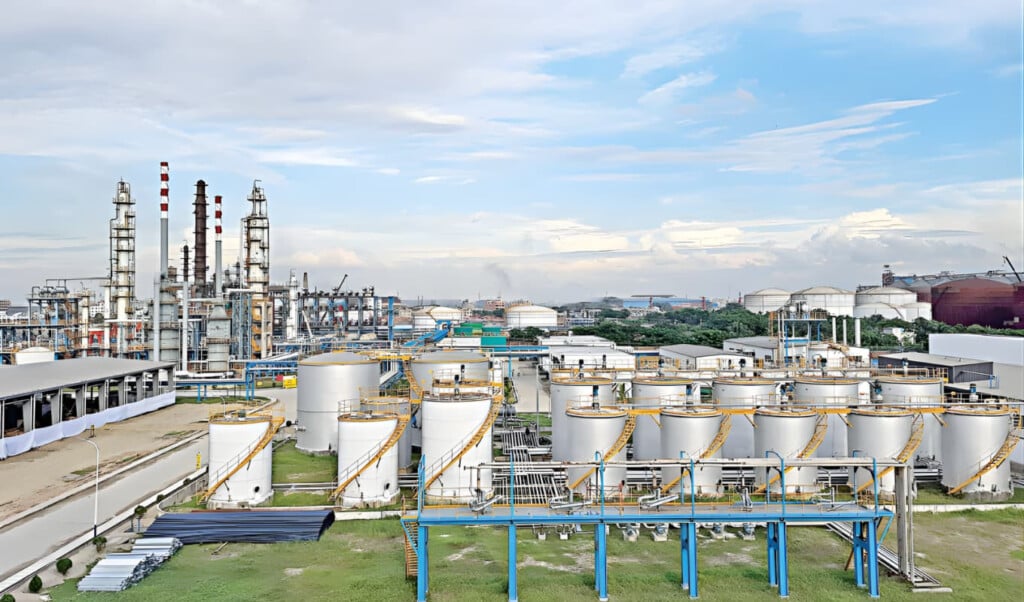
Bangladesh’s gas sector is entering a period of unprecedented stress, as domestic production struggles to keep pace with rising demand. With industries, households, and power plants heavily reliant on natural gas, expanding output from existing fields has become a matter of national urgency. Although official reports suggest substantial reserves in several areas, the accuracy of these estimates and the ability to convert them into sustained production remain uncertain. Many wells are already showing declining yields, and increases from newly drilled or redeveloped wells are failing to offset this shortfall.
Petrobangla and BAPEX have responded by significantly expanding their drilling plans. Where 58 wells were originally envisaged, current initiatives aim for 108 wells. However, despite these efforts, production gains have been modest and largely unsustainable. Analysts point out two potential explanations: either the reported reserves are overestimated, or existing reserves are not being exploited efficiently to produce lasting gains.
Experts identify three major obstacles: insufficient investment, outdated technology, and a shortage of experienced technical personnel. The scarcity of skilled engineers and operational managers is particularly acute, limiting the sector’s ability to optimise production.
To address these challenges, a number of strategic measures have been proposed:
Engage international consulting firms: Independent specialists can reassess field potential, prioritise well redevelopment, and create a results-driven roadmap for sustainable production.
Exploit smaller and intermediate layers: Smaller gas strata above major reservoirs should be quickly brought into production to enhance overall output.
Develop the Chatak field: Preliminary estimates suggest nearly 1 trillion cubic feet (TCF) of recoverable gas; targeted investment and advanced technology could bring this field online.
Accelerate exploration: Licensing and survey processes for new fields must be transparent and fast-tracked.
Enhance policy transparency: International production proposals, such as those submitted by Chevron, should be evaluated rigorously rather than rejected without clear rationale.
The current landscape and proposed interventions are summarised below:
| Aspect | Details |
|---|---|
| Major production centres | Bibiyana, smaller/intermediate wells, Chatak field |
| Total planned wells | 108 (previously 58) |
| Key production issues | Declining output from existing wells; new wells insufficient |
| Core constraints | Investment deficit, outdated technology, limited expertise |
| Recommended interventions | International consulting, small-layer exploitation, accelerated exploration |
| Short-term measures | Gas redistribution, conversion of CNG to LPG |
| Long-term strategy | Renewable energy integration, rooftop solar, new gas & coal-fired plants |
In the short term, redistributing gas supplies and expanding LPG usage can help maintain uninterrupted service to industries and households. Coal-fired power plants, combined with the 2,400 MW Rooppur nuclear plant, could further reduce dependence on gas for electricity generation.
Looking ahead, Bangladesh’s energy security depends on three pillars: increasing domestic gas production, importing advanced international technology and expertise, and aggressively adopting renewable energy. Without coordinated, urgent measures, the country faces a serious gas supply crisis that could undermine industrial growth, exports, and national energy security.