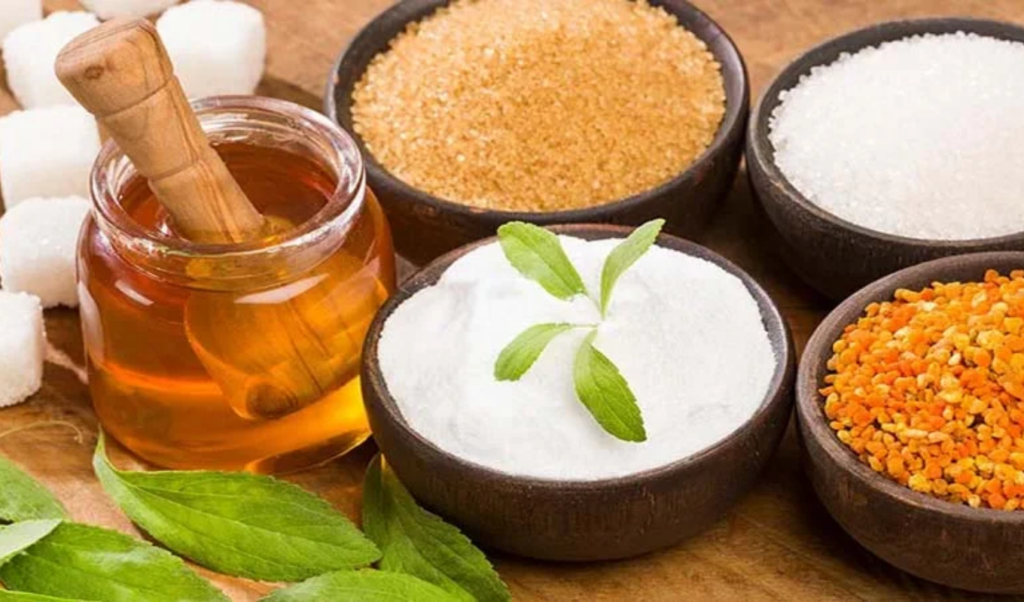
Sugar is a familiar flavour in daily life, but excessive consumption can pose serious health risks. Overindulgence in sugar is linked to weight gain, diabetes, heart disease, and hormonal imbalances. As health awareness grows, many people are turning to natural sweeteners, which offer sweetness without the harmful effects associated with refined sugar. Nature provides several ingredients that are sweet yet comparatively safe and beneficial for the body.
Some of the most popular natural alternatives include:
| Natural Sweetener | Source | Health Benefits | Usage Notes |
|---|---|---|---|
| Stevia | Stevia plant leaves | Calorie-free, does not raise blood sugar, safe for diabetics | 20–30 times sweeter than sugar, use sparingly |
| Dried Fruits | Raisins, dates, figs | Rich in fibre, vitamins, and minerals; aid digestion; provide sustained energy | Ideal in moderation (20–30g/day) as snacks or in recipes |
| Coconut Sugar | Sap of coconut flower | Low glycaemic index, gradual blood sugar rise, contains trace vitamins and antioxidants | Use sparingly; suitable for baking and beverages |
| Fruit Purees & Date Syrups | Banana, apple, pear | Retain natural fibre and nutrients; promote satiety; aid digestion | Excellent for smoothies, desserts, and baking |
| Honey | Produced by bees | Contains antioxidants and antibacterial properties; reduces inflammation; supports immunity | Raw and unprocessed honey is preferred; 1–2 teaspoons per day recommended |
Stevia is currently the most widely used sugar substitute. Derived from the leaves of the Stevia plant, it is completely calorie-free and significantly sweeter than regular sugar, meaning only a small amount is required. Its ability to maintain stable blood sugar levels makes it especially suitable for people with diabetes.
Dried fruits, such as dates, raisins, and figs, naturally contain sugar alongside fibre, vitamins, and minerals. They provide sustained energy, promote digestion, and can be consumed as snacks or added to dishes in moderation.
Coconut sugar is another healthier alternative. Extracted from the sap of coconut flowers, it has a lower glycaemic index than refined sugar, causing a slower increase in blood glucose. While it does contain small amounts of vitamins and antioxidants, it should be consumed in limited quantities.
Fruit purees and date syrups offer sweetness while preserving the fruit’s natural fibre and nutrients. These options can enhance desserts, smoothies, and baked goods, while also supporting satiety and digestion.
Honey has been used as a natural sweetener for centuries. Raw, unprocessed honey is rich in antioxidants and antibacterial compounds, helping to reduce inflammation and boost immunity. Despite being a type of sugar, its natural benefits make it healthier than refined sugar.
It is important to remember that no sweetener is completely harmless. For maintaining good health, moderation is key, even with natural alternatives.