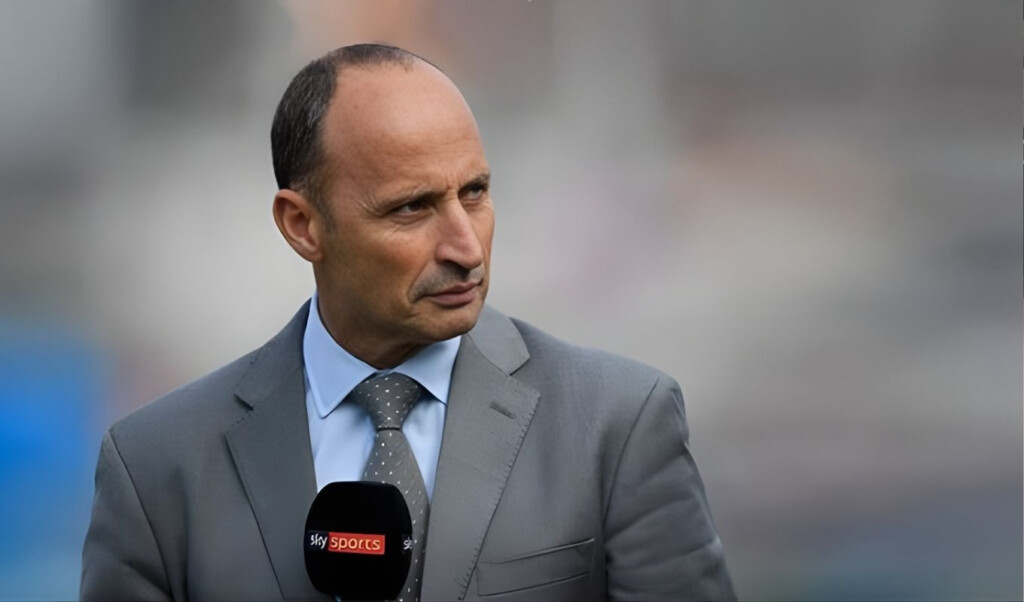
As the T20 World Cup approaches, Bangladesh has emerged at the centre of a high-profile debate with the International Cricket Council (ICC), demonstrating an unwavering stance amid growing pressure. Despite uncertainty surrounding player availability and tournament participation, the Bangladeshi team has remained resolute, earning widespread praise from cricketing figures, including former England captain Nasser Husein.
Husein publicly commended Bangladesh for standing firm, particularly in supporting their star bowler, Mustafizur Rahman. Speaking on a Sky Sports podcast, he questioned whether the ICC would have applied the same level of strictness if a major cricket board were involved. “If, just a month before the tournament, India had informed that their government did not want them to play in a particular country, would the ICC have imposed the same rules?” he asked, highlighting perceived inconsistencies in governance.
The solidarity of Bangladesh has also received open backing from Pakistan. Both nations’ positions, seen by many observers as a rare example of regional cricketing unity, raise broader questions about double standards in the global cricketing administration.
Husein emphasised the economic dimensions behind such decisions, noting that smaller cricket boards often wield influence primarily through financial leverage. “In reality, the money generated by India-Pakistan matches is what pressures the ICC or bigger boards,” he explained, underlining the complex relationship between economic power and sporting decisions.
At the heart of the controversy, Husein argues, is a simple question: should the same rules apply to all nations equally? He stressed that Bangladesh, Pakistan, and India must be treated on a level playing field to maintain fairness and integrity in international cricket.
He further observed that economic dominance often shapes international cricket policies, but with power comes responsibility—something he believes should never be overlooked.
For a clearer overview, the table below summarises the key positions and reactions:
| Country/Board | Position on ICC Decision | Notable Comments/Supporters | Key Issues Raised |
|---|---|---|---|
| Bangladesh | Firm refusal to comply with ICC pressure | Supported by Nasser Husein | Player support, fairness in rules |
| Pakistan | Publicly backing Bangladesh | Nasser Husein highlighted Pakistan’s stance | Regional solidarity, double standards |
| India | Implicated in broader debate (hypothetical scenario) | Discussed by Husein | Economic influence on ICC, rule consistency |
| ICC | Enforcing participation rules | Criticised for perceived double standards | Governance, fairness, consistency |
Bangladesh’s steadfast position has thus positioned them as a symbol of principle amid growing debates about equity, governance, and economic influence in international cricket. With the T20 World Cup fast approaching, the eyes of the cricketing world remain firmly on the Tigers as they navigate both sporting and administrative challenges with courage and clarity.