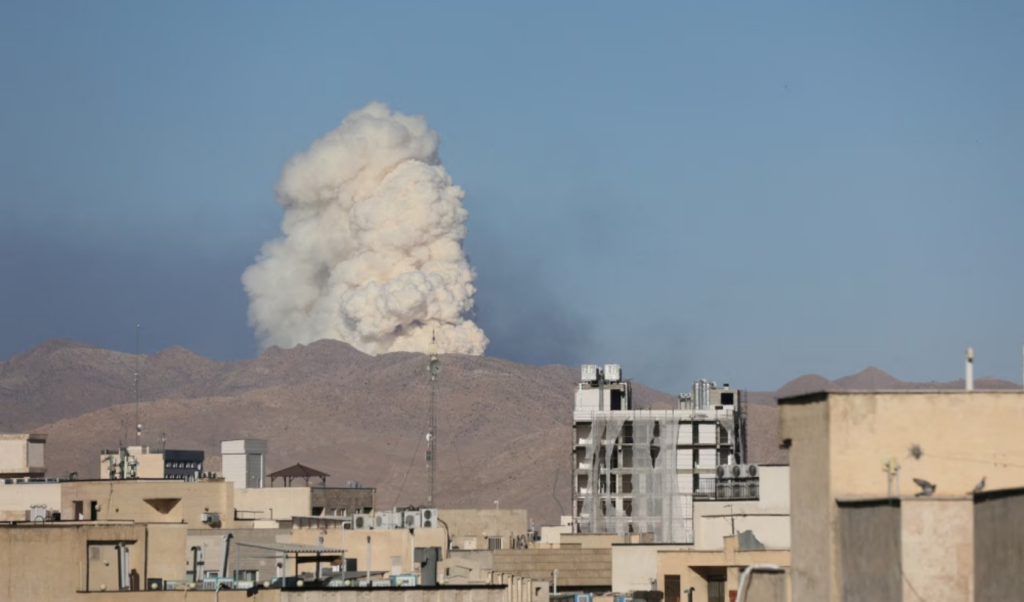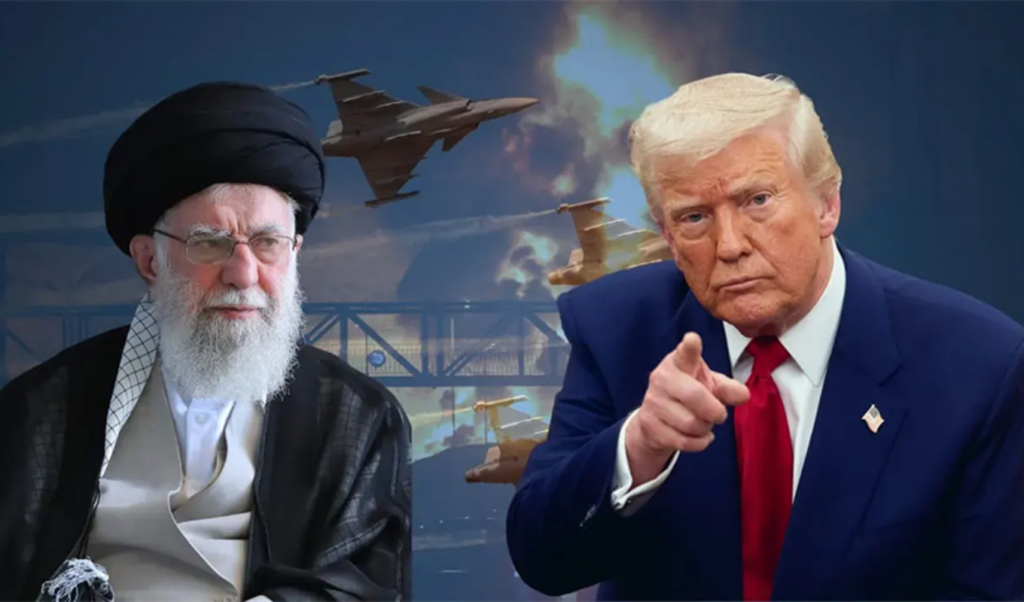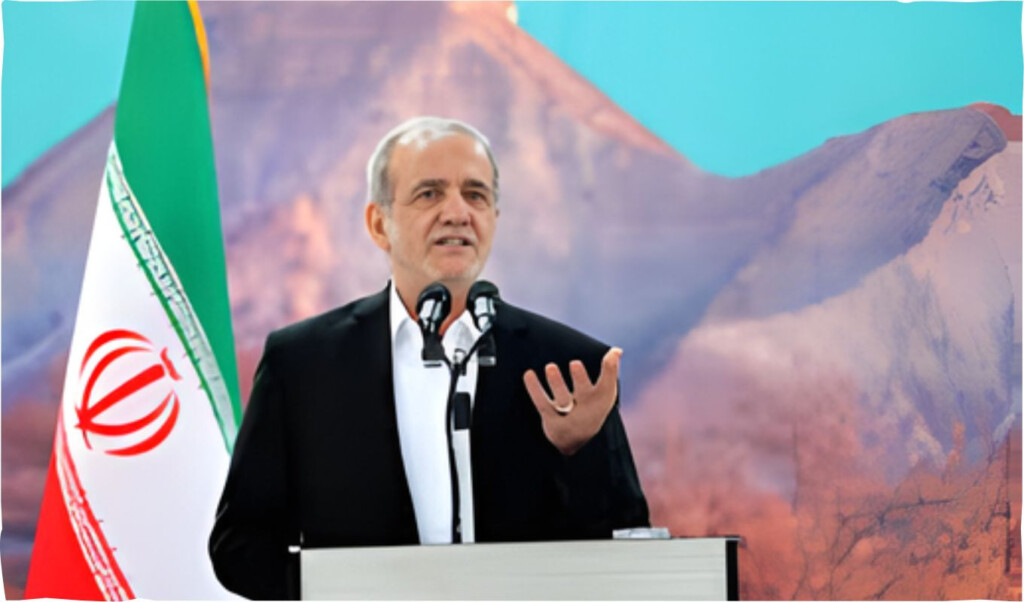
The Iranian government has confirmed the death of Supreme Leader Ayatollah Ali Khamenei following a coordinated U.S.-Israeli strike. The announcement was broadcast on the nation’s state media on Sunday morning, sending shockwaves through the political and religious hierarchy of the country.
In response, Tehran has swiftly formed a three-member interim council to manage state affairs during the transitional period. According to reports from Iranian state television and other official outlets, the council comprises:
| Position | Name | Affiliation/Role |
|---|---|---|
| President | Masoud Pezeshkian | Acting Head of State Administration |
| Head of Judiciary | Gholam Hossein Mohseni Ejei | Chief of Iran’s Judiciary |
| Legal Scholar (Faqih) | [Name Not Disclosed] | Member of Guardian Council |
The establishment of this council is mandated by the Iranian constitution to ensure continuity of governance until the Assembly of Leadership Experts—a body of senior clerics—selects a new Supreme Leader. Ayatollah Khamenei, who assumed the role immediately after the death of Ayatollah Ruhollah Khomeini in 1989, was the second person to occupy the position since the 1979 Islamic Revolution.
Iranian legal scholars stress that the Assembly of Leadership Experts is required to act quickly in appointing Khamenei’s successor. However, ongoing military tensions and continued U.S.-Israeli operations in the region could complicate or delay their deliberations due to security concerns.
The death of Khamenei marks a pivotal moment in Iranian history, not only because of his nearly four-decade tenure as Supreme Leader but also because it triggers a constitutional process that could reshape the nation’s political and religious landscape. Analysts note that the interim council will likely play a stabilising role, maintaining governmental operations and public order while the clerical elite convene to select a successor.
This development underscores the fragility of Iran’s current political climate and highlights the significant influence of both domestic institutions and external pressures on the nation’s governance.