A powerful missile strike launched by Iran has breached Israel’s air defence systems, resulting in at least eight fatalities and twenty injuries in the Beit Shemesh area. The Israeli military confirmed the incident in an official statement, highlighting the intensity and precision of the attack.
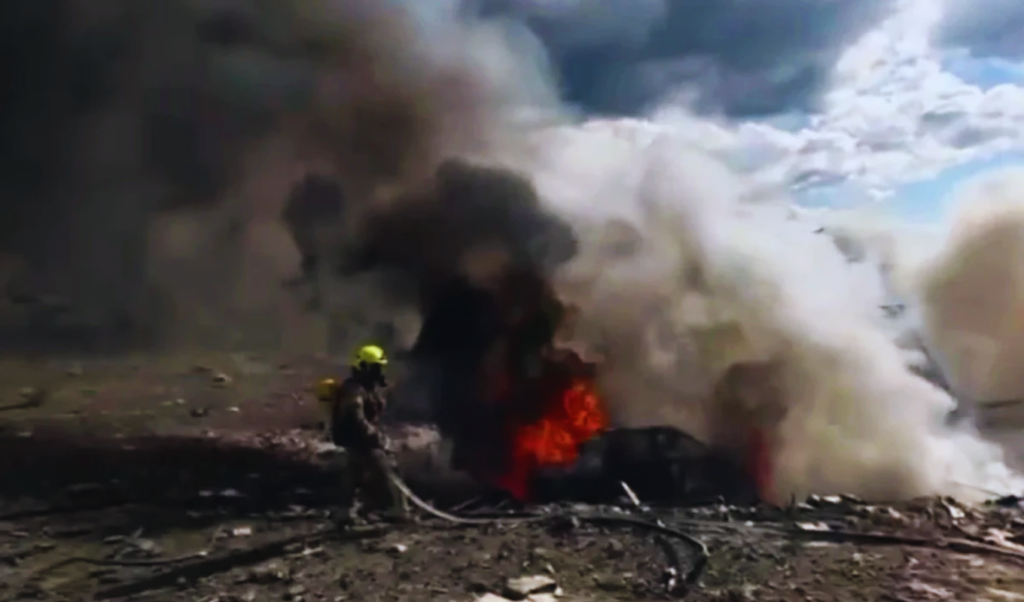
The strike occurred on Sunday morning, approximately 30 kilometres west of Jerusalem, targeting the residential and commercial zones of Beit Shemesh. Local authorities reported that Iranian forces deployed heavy missiles capable of evading the Iron Dome defence system, which proved partially ineffective in this instance. Emergency services swiftly responded to the site, providing urgent medical care and evacuating the injured to nearby hospitals.
An initial assessment by the Israeli Defence Forces (IDF) confirmed the destruction of several buildings and critical infrastructure. Civil defence units were mobilised across the affected region to prevent further casualties and mitigate damage.
In parallel, Tehran has faced a wave of retaliatory strikes, with the Iranian Red Crescent reporting that 60 missile attacks within 24 hours have resulted in at least 57 fatalities in the capital. The Islamic Republic News Agency (IRNA) cited the Red Crescent Society for these figures. The dual-front escalation underscores the rapidly intensifying tensions in the Middle East, raising concerns over regional stability and civilian safety.
Casualties and Impact
| Location | Fatalities | Injured | Key Details |
|---|---|---|---|
| Beit Shemesh, Israel | 8 | 20 | Missile strike penetrated air defence; buildings damaged |
| Tehran, Iran | 57 | N/A | 60 missile attacks reported in 24 hours; Red Crescent reported casualties |
Military analysts suggest that the Beit Shemesh strike may represent a strategic escalation in Iran’s military posture, signalling its capability to target urban areas within Israel despite sophisticated defence systems. Authorities in Israel have urged citizens in the surrounding areas to remain vigilant and follow safety protocols while ongoing assessments are conducted.
Meanwhile, international observers have expressed growing concern over the risk of further escalation, urging restraint from both sides to avoid a wider regional conflict. The United Nations has called for immediate humanitarian support for the victims and their families, highlighting the urgent need for diplomatic intervention to de-escalate hostilities.
The situation remains fluid, with security forces on high alert and emergency response teams working around the clock to manage casualties, secure infrastructure, and provide relief to affected civilians.