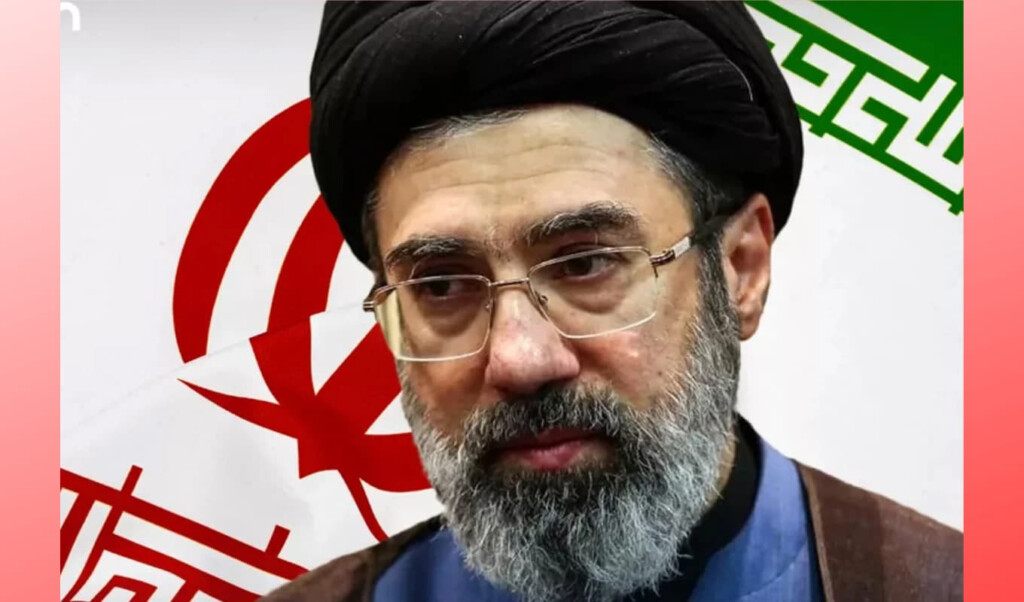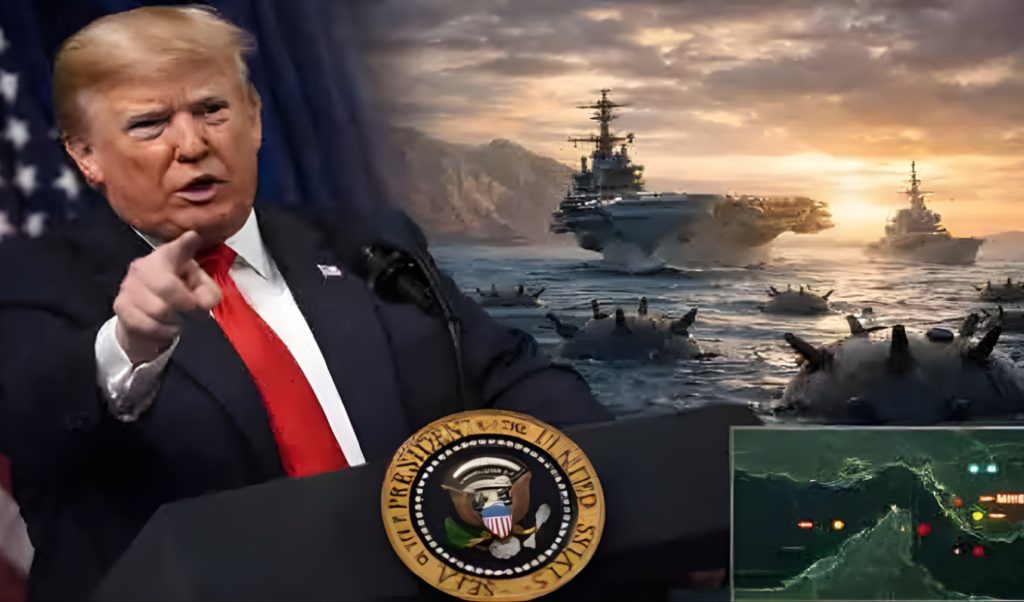
Amid ongoing instability in the Strait of Hormuz and Iran’s resolute stance, U.S. President Donald Trump appears increasingly frustrated, with analysts suggesting his growing concern has now tipped into visible despair. The White House recently proposed targeted strikes against military infrastructure on Iran’s Kharg Island, aiming primarily to send a stern warning to Tehran. Washington had hoped such measures might compel Iran to lift its effective blockade of the crucial maritime corridor. However, international experts view these threats as reflecting the U.S. administration’s strategic limitations and its inability to decisively influence Middle Eastern geopolitics.
Kharg Island: Strategic Pressure Point
Kharg Island, a key hub for oil extraction and export, has long been central to Iran’s energy network. Trump’s threats were intended to place direct pressure on the island’s infrastructure, thereby constraining Iran’s oil exports. Analysts argue, however, that Tehran’s sophisticated defensive systems significantly restrict Washington’s military options. Consequently, the U.S. appears to be relying primarily on psychological pressure and the spectre of force rather than an actual strike, a strategy that has so far yielded limited results.
Historically, Kharg Island has endured far more severe threats. During the Iran–Iraq War, the island was targeted in nearly 2,000 airstrikes under the Ba’athist regime, yet Iran successfully maintained its oil exports. This historical resilience underscores the difficulty of coercing Tehran through mere threats of infrastructural attacks.
Iran’s Firm Position
Iranian military commanders have repeatedly reaffirmed their commitment to controlling the Persian Gulf, warning that any attack on energy or military assets will provoke a severe retaliatory response. Recent statements emphasise that any aggression from the U.S. or Israel would not only threaten Iran but also impact the so-called “Zionist Axis” and its regional allies across the Gulf.
Experts note that Washington’s options are extremely constrained. From providing military escorts to oil tankers to issuing direct threats, none of these measures have successfully ensured safe passage through the Strait of Hormuz. The combination of field-level realities and Tehran’s capacity to respond has placed the U.S. administration in a highly precarious position.
Strait of Hormuz Tensions: Key Facts
| Metric | Detail | Commentary |
|---|---|---|
| Strategic Location | Strait of Hormuz | Vital for global oil transport; chokepoint for Persian Gulf exports |
| Pressure Point | Kharg Island | Iran’s main oil export hub; heavily defended |
| U.S. Tactic | Threat of military strikes | Intended to compel Iran to lift blockade; limited effect so far |
| Iran’s Response | Firm military and retaliatory stance | Any attack may provoke severe consequences regionally |
| Historical Context | Iran–Iraq War airstrikes | 2,000 attacks on Kharg Island did not halt oil exports |
| Current Implication | U.S. constrained | Washington faces limited options to secure maritime traffic |
The unfolding situation highlights the stark intersection of military strategy, energy security, and geopolitics. Analysts argue that Trump’s administration now finds itself increasingly cornered, with the Strait of Hormuz dispute illustrating the limitations of coercive diplomacy in a region where Iran has repeatedly demonstrated resilience and tactical depth.