After two weeks of intense confrontation in the Middle East, the war between Iran and the U.S.–Israel coalition has evolved into a multifaceted and complex struggle, extending far beyond the battlefield. The conflict now encompasses intelligence operations, energy economics, and regional proxy manoeuvres, highlighting the depth of strategic considerations on both sides.
Military Dynamics and Air Superiority
In the initial stages, Western analysts speculated that Iran might suffer political destabilisation under the pressure of coordinated airstrikes. By the fourteenth day, however, it was evident that Tehran’s defence apparatus remained highly organised and resilient.
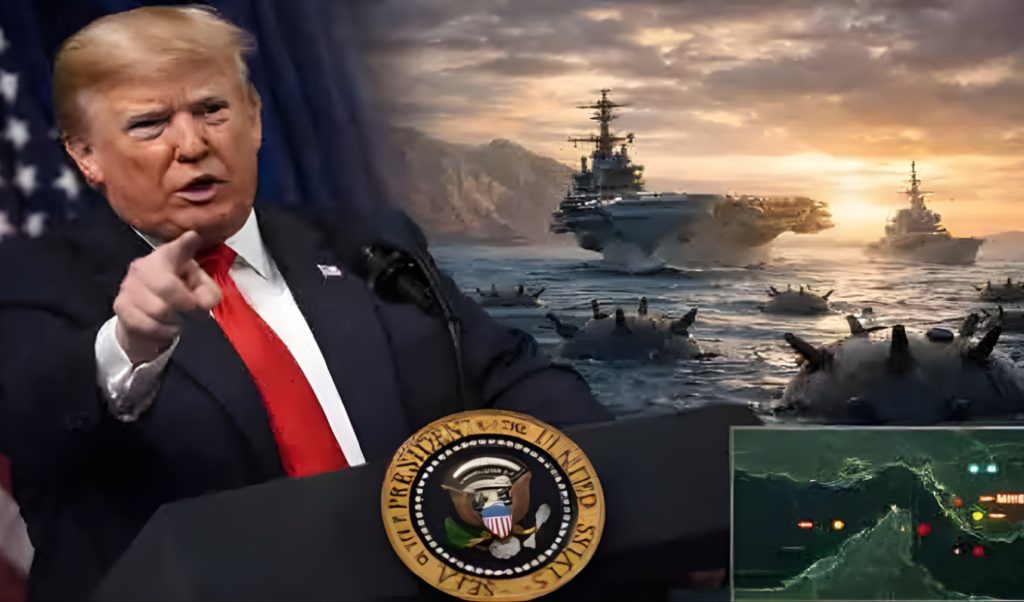
While the U.S. and Israel have achieved air superiority, employing advanced fighter jets, drones, and electronic warfare systems to control portions of Iranian airspace, this dominance has translated poorly to ground and naval operations. Iran has showcased its naval capabilities in the Persian Gulf and Gulf of Oman, generating uncertainty for shipping through the strategically vital Strait of Hormuz, thereby exerting considerable pressure on global energy markets.
Leadership Resilience
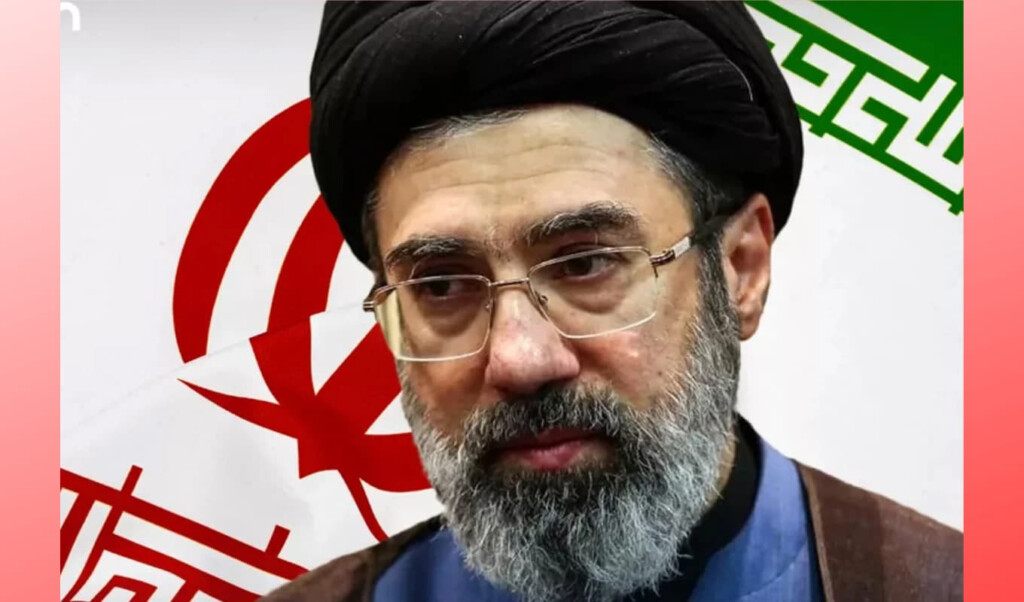
Early Israeli strikes eliminated several high-ranking Iranian military and political figures, initially seen by Western media as a significant blow. Yet Tehran swiftly filled the leadership vacuum, recently elevating Mojtaba Khamenei to the position of the country’s third-highest authority. Large public gatherings in support of the new leadership demonstrated domestic stability, suggesting that Iran’s command chain and political structure remain intact—a strategic concern for U.S. and Israeli planners.
Missile and Drone Capabilities
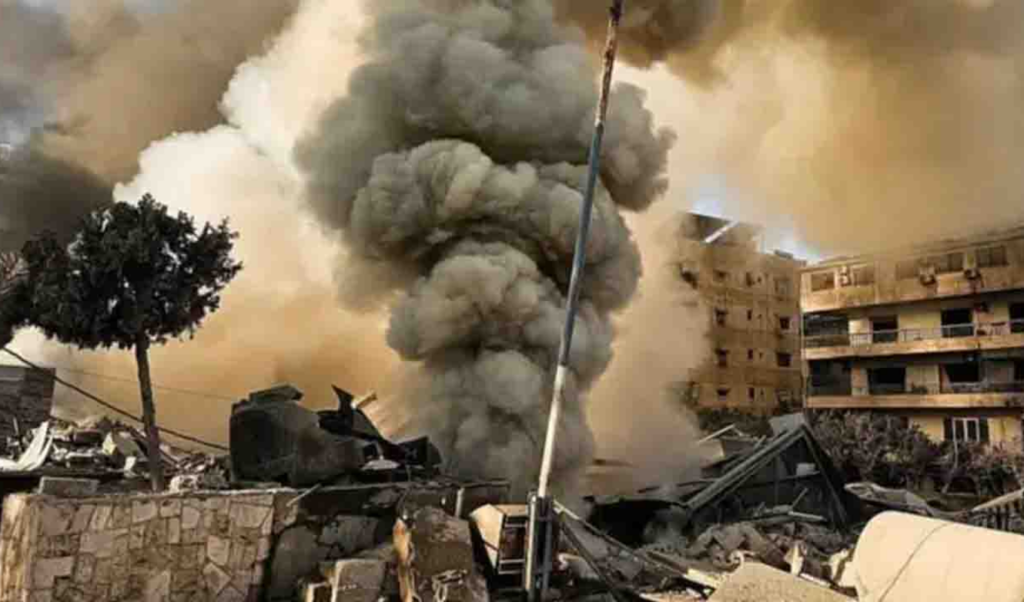
Iran has maintained the operational capacity of its missile and drone networks despite persistent air attacks. Over the 14-day period, Tehran has intensified the use of heavier and more destructive warheads, causing significant disruption in Israeli cities such as Tel Aviv, where many residents have been forced to seek shelter in bunkers.
Iran has also deployed swarms of low-cost drones to exhaust and misdirect expensive interceptor missiles, a tactic that offers economic advantages in a prolonged conflict.
Energy Infrastructure and Maritime Pressure
A tacit understanding appears to have emerged regarding energy infrastructure. Initial U.S.–Israeli attacks on Iranian oil depots prompted counterstrikes from Tehran, but dramatic fluctuations in global oil prices and international pressure have temporarily restrained further assaults on these facilities.
However, insecurity in the Strait of Hormuz continues to disrupt oil shipments. Despite U.S. Navy protection measures for tankers, Iran’s naval presence renders safe passage difficult, maintaining pressure on global energy markets.
Regional Alliances and Proxy Warfare
Iran is leveraging allied groups across the region, including Hezbollah in Lebanon and armed factions in Iraq, to carry out attacks on U.S. and Israeli interests. Threats from Yemen in the Red Sea add further complexity, potentially escalating the conflict into a broader international crisis. Over ten countries now host assets vulnerable to Iranian attacks, while allied nations provide strategic and logistical support without direct engagement.
Domestic Stability
Remarkably, Iran has not experienced major internal protests despite repeated calls by figures such as Donald Trump and Benjamin Netanyahu for mass demonstrations. Iranian forces report successfully repelling cyberattacks and protecting airspace, claiming the downing of over 100 U.S. and Israeli drones, reflecting both military and psychological resilience.
Conflict Overview: Day 14
| Aspect | Status | Commentary |
|---|---|---|
| Air Control | U.S.–Israel | Air superiority established; limited impact on ground/naval theatre |
| Naval Presence | Iran | Strong deployment in Persian Gulf; disrupts Strait of Hormuz |
| Leadership | Iran | Rapid succession maintains command chain; public support visible |
| Missile/Drone Ops | Iran | Sustained launches; heavy warheads; swarm tactics used |
| Energy Infrastructure | Both | Limited attacks to manage global oil price volatility |
| Regional Proxies | Iran | Hezbollah, Iraqi militias, Yemen threats; strategic leverage |
| Domestic Stability | Iran | No major protests; resilient population support and cyber defence |
Outlook
Fourteen days into the conflict, no side has achieved decisive victory. The war has evolved into a war of attrition, where strategic patience, resource management, and tactical innovation will likely determine long-term outcomes. Analysts caution that the situation remains highly fluid, with the potential for escalation across the Middle East and beyond.
The conflict underscores the intersection of geopolitics, energy security, and asymmetric warfare, illustrating Iran’s ability to maintain resilience under sustained military pressure while challenging the operational reach of technologically superior adversaries.