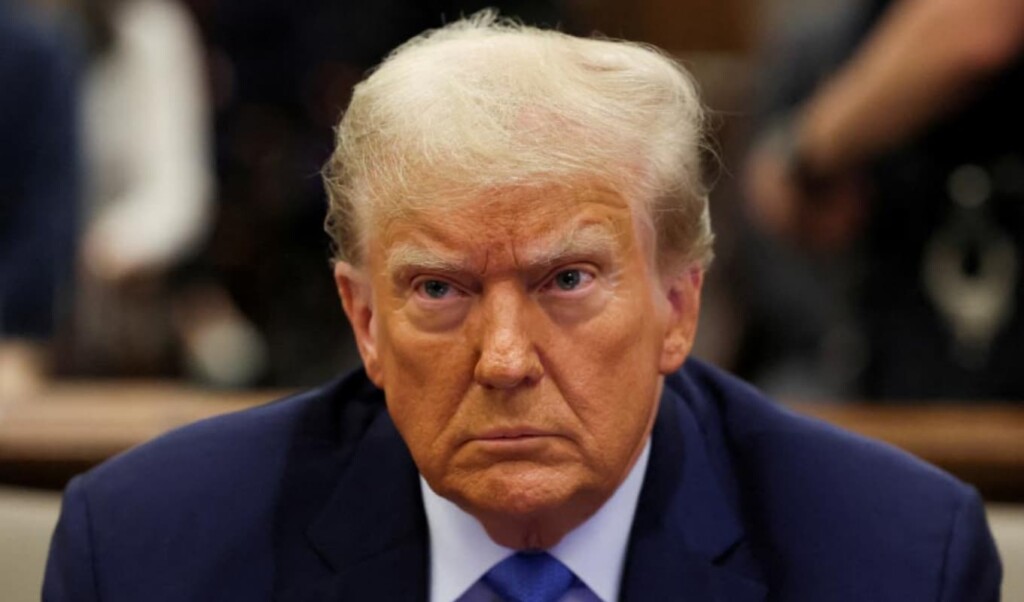
Political tensions in the United States escalated sharply between 7 and 8 April, as influential political figures and organisations openly intensified calls for the removal of President from office. The movement has been largely driven by concern over the president’s recent aggressive statements and controversial diplomatic actions.
For the first time in its 117-year history, the historic civil rights organisation, the National Association for the Advancement of Colored People, has taken a stern stance against a sitting president. The organisation described Trump as “unfit, unstable, and reckless” and urged the immediate application of the Twenty-Fifth Amendment of the U.S. Constitution to remove him from office.
Alongside civic groups, numerous U.S. politicians have expressed concern over Trump’s recent behaviour, particularly his confrontational posture towards Iran and his public statements regarding military operations, which critics say show a lack of control. Several senators and lawmakers have questioned the president’s mental stability and have publicly supported moves to limit or remove his executive authority.
One key incident intensifying this pressure involved Trump’s highly controversial declaration threatening Iran with the immediate destruction of its power infrastructure, which reportedly could occur within hours from the White House. This statement drew widespread condemnation domestically and internationally, further fuelling debate over his fitness for office.
The table below summarises the main causes and reactions to the ongoing calls for Trump’s removal:
| Issue | Details | Sources |
|---|---|---|
| Calls for removal | Leaders urge immediate application of the Twenty-Fifth Amendment | Civil rights organisations, political leaders |
| Questions over mental fitness | Concerns raised over stability due to recent aggressive statements | U.S. politicians, media reports |
| Threats regarding Iran | Announced capability to destroy Iranian power facilities swiftly | National and international media |
| International reactions | Criticism of U.S. diplomatic decisions and global political impact | World news analyses |
These developments form part of the broader U.S. political framework and are likely to influence both domestic politics and international relations in the coming days. They also underline a fundamental aspect of democratic governance: regardless of the concentration of executive power, public and political scrutiny remains a critical check, and constitutional mechanisms exist to question leadership.
This is more than a political dispute; it represents a real-world test of the United States Constitution, civil rights, and the balance of power. Its implications resonate far beyond national borders, potentially affecting global diplomacy and perceptions of American political stability.