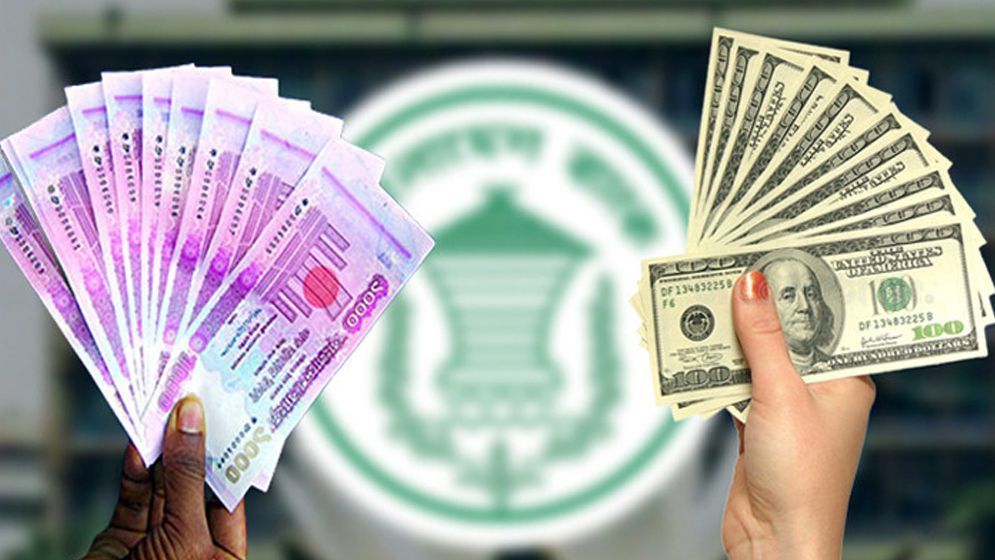
Bangladesh’s foreign exchange market continues to play a vital role in supporting the country’s expanding international trade and the steady inflow of remittances from millions of expatriate workers around the world. These remittance earnings remain a key pillar of the national economy, helping to sustain household consumption, strengthen foreign reserves, and stabilise the balance of payments.
According to the latest data released by the central banking authority, the exchange rates for several major international currencies on 20 April 2026 reflect ongoing global currency fluctuations alongside domestic demand for foreign exchange. The rates are particularly significant for importers, exporters, and families receiving funds from abroad, as even minor changes can affect purchasing power and business costs.
On this day, the US dollar—widely used in international trade—was recorded at a buying and selling rate of 122.70 Bangladeshi taka. The British pound sterling remained one of the stronger currencies, while the euro also maintained a relatively high value against the local currency. Regional currencies such as the Indian rupee and Gulf currencies, commonly used by migrant workers, continued to show stable but lower valuations.
Market analysts note that exchange rates may fluctuate throughout the day depending on demand and global financial trends. The central bank periodically adjusts its reference rates to ensure stability in the domestic financial system and to manage inflationary pressures linked to import costs.
Below is a summary of the official exchange rates recorded on 20 April 2026:
| Currency | Buying Rate (BDT) | Selling Rate (BDT) |
|---|---|---|
| US Dollar | 122.70 | 122.70 |
| British Pound | 166.81 | 166.87 |
| Euro | 144.31 | 144.35 |
| Japanese Yen | 0.77 | 0.77 |
| Australian Dollar | 87.92 | 87.97 |
| Singapore Dollar | 96.56 | 96.64 |
| Canadian Dollar | 89.60 | 89.60 |
| Indian Rupee | 1.32 | 1.32 |
| Saudi Riyal | 32.77 | 32.79 |
Financial experts emphasise that exchange rate movements are influenced by a combination of global economic conditions, interest rate policies in major economies, and domestic demand for foreign currency. For Bangladesh, maintaining stability in this sector remains crucial, particularly given its reliance on imports for fuel, machinery, and raw materials.
As global markets continue to shift, stakeholders—including businesses, expatriates, and financial institutions—are advised to stay updated on daily currency movements to make informed financial decisions.