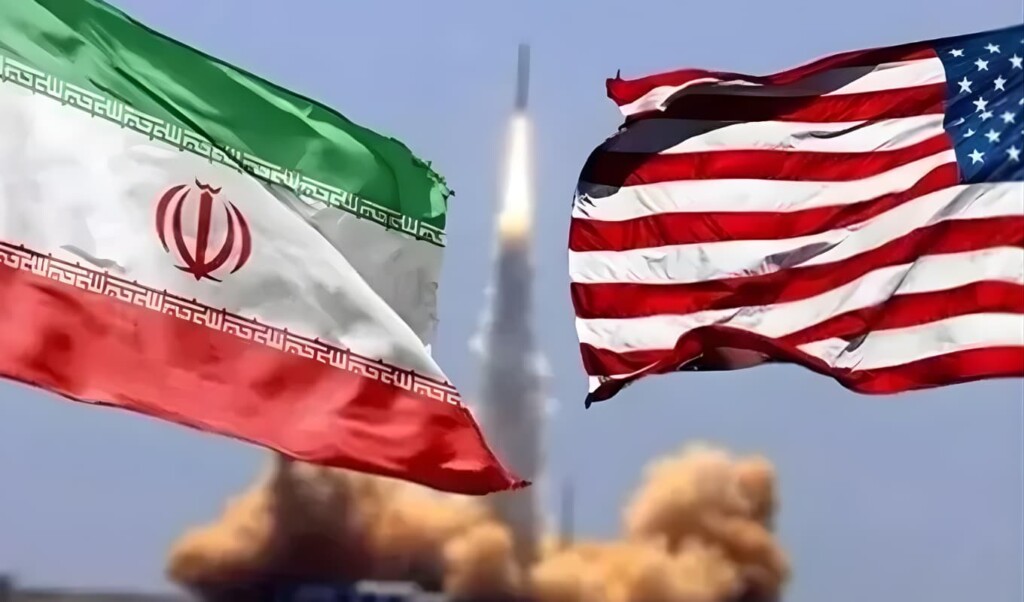
In a significant development within the shifting geopolitical landscape of the Middle East, reports indicate that the Islamic Republic of Iran is preparing to submit a revised diplomatic proposal to the United States aimed at de-escalating regional tensions and securing a ceasefire. The move follows a period of intense diplomatic maneuvering and public commentary from the highest levels of the American administration.
Mediators in Pakistan have expressed expectations that this new draft could be delivered within the coming days. The Pakistani government, which has frequently acted as a facilitator for communications between Tehran and Washington in the absence of formal diplomatic ties, remains a pivotal conduit in these negotiations.
Internal Consultations and Diplomatic Movements
The impetus for a revised proposal comes amidst a busy diplomatic schedule for Tehran’s senior officials. Abbas Araghchi, the Iranian Foreign Minister, returned to Tehran on Tuesday, 28 April 2026, following a high-level state visit to Russia. Upon his return, Mr Araghchi is expected to commence extensive consultations with senior government figures and national security advisors to finalise the amendments to the previous offer.
However, observers note that the internal decision-making process in Tehran remains exceptionally deliberate. Sources indicate that communication with the Supreme Leader, Mojtaba Khamenei, is currently highly restricted, a factor that is likely to dictate a slower pace for the final approval of any international overture.
The previous Iranian proposal, which was reportedly met with dissatisfaction by the White House, prioritised an immediate cessation of hostilities as a prerequisite for broader discussions. Under that framework, Tehran suggested that negotiations regarding its nuclear programme and other regional security issues could only commence once a stable ceasefire was established.
Presidential Criticism and the Strait of Hormuz
The necessity for a revised draft was underscored by recent statements from President Donald Trump. According to sources cited by CNN, the President had previously signalled his intention to reject the initial Iranian terms, deeming them insufficient for American interests.
On Tuesday, President Trump took to his social media platform, Truth Social, to deliver a scathing assessment of Iran’s current domestic and economic state. The President claimed that the Iranian government had reached out to the United States regarding the Strait of Hormuz, a vital maritime artery for global oil shipments.
President Trump wrote:
“Iran has just informed us that they are a mess. They want us to open up the Strait of Hormuz as soon as possible. Iranians are now looking for their leadership. I hope they are successful.”
The President further asserted that the country was “collapsed” and suggested a state of internal disarray, claiming that the Iranian leadership was currently in a state of confusion regarding its own hierarchy. These remarks highlight the “volatile” nature of current relations, with the acceptability of the forthcoming revised proposal remaining entirely dependent on whether it meets the stringent criteria set by the Trump administration.
Economic Pressure and Geopolitical Stakes
The mention of the Strait of Hormuz is particularly significant. As a chokepoint through which approximately one-fifth of the world’s total oil consumption passes, any disruption or requested “opening” implies a severe level of economic or military pressure. Iran has historically used its influence over the Strait as a strategic lever; however, the President’s claim suggests a reversal in which Tehran is now seeking American cooperation to ensure the flow of commerce.
International analysts view this potential revised proposal as a critical litmus test for the future of Middle Eastern stability. If the new terms fail to address Washington’s concerns regarding regional influence and nuclear capabilities, the “turmoil” described by diplomatic sources is expected to persist. For now, the global community awaits the formal delivery of the document through Pakistani intermediaries, which will determine if a diplomatic breakthrough is feasible or if the current state of high-intensity friction will endure.