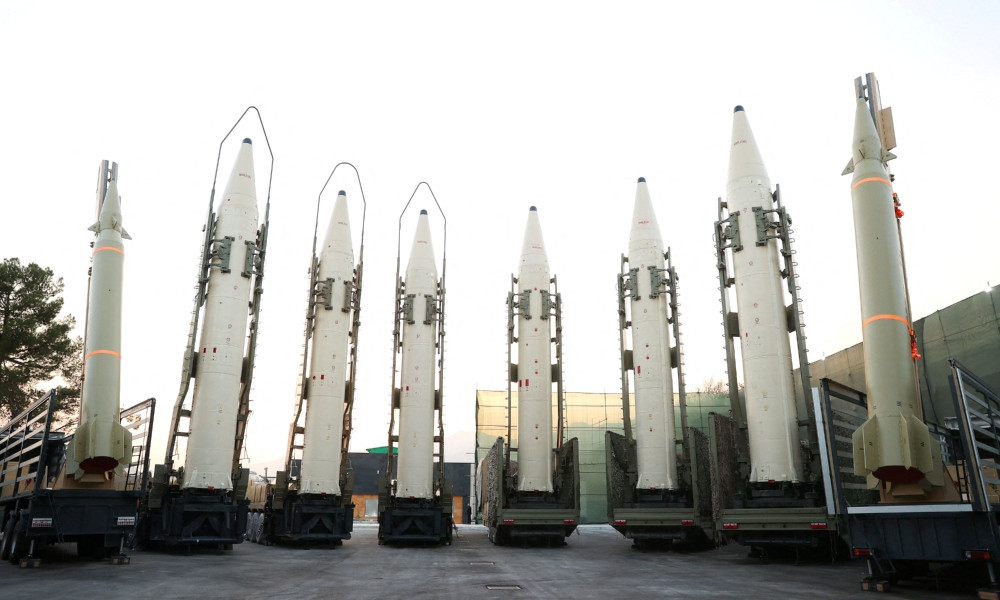
The Iranian military has formally issued a warning regarding the heightened possibility of a renewed armed conflict with the United States and Israel. According to a statement released by the Iranian General Staff, the military remains on high alert and is fully prepared to deliver a decisive response to any perceived “adventurism or folly” initiated by Washington.
Strategic Stalemate and Failed Diplomacy
The Iranian military headquarters emphasised that the prospect of a direct confrontation with the United States cannot be discounted. Tehran asserts that there is currently no reliable evidence to suggest that Washington intends to respect international law or adhere to established diplomatic agreements.
The official communique further detailed the history of negotiations between the two nations. Iranian officials claim that from the pre-war dialogue phases to ceasefire discussions, Tehran has demonstrated strategic flexibility and a willingness to compromise. However, they allege that these gestures have not been met with reciprocal positivity from the United States. Instead, the statement suggests that whenever Iran has moderated its demands, the United States has responded by adopting a more stringent and uncompromising stance.
Historical Context and Key Obstacles
Citing diplomatic sources, indicate that during the administration of former US President Donald Trump, a peace proposal was drafted in which Iran had agreed to concede on several critical demands. This reportedly included specific concessions regarding the lifting of economic sanctions. Despite these overtures, the proposal was ultimately rejected by the Trump administration.
As of the current assessment, the diplomatic deadlock remains unresolved. Tehran has established a firm sequence for future negotiations, insisting that two primary issues must be addressed before any broader discussions on the Iranian nuclear programme can proceed:
-
The Strait of Hormuz: A definitive resolution regarding maritime security and the operational status of the strait.
-
Economic Sanctions: A comprehensive and concrete plan for the removal of existing US-led sanctions.
Regional Dynamics and Security Indicators
The following table outlines the primary factors contributing to the current geopolitical tension between the Islamic Republic of Iran and the United States:
| Category | Description of Current Status |
| Military Posture | Iranian General Staff confirms full combat readiness and defensive mobilization. |
| Primary Grievance | Failure of the US to reciprocate Iranian “flexibility” in previous negotiations. |
| Pre-conditions | Settlement of Hormuz Strait disputes and immediate sanction relief. |
| Diplomatic History | Rejection of a prior peace proposal involving concessions on Iranian demands. |
| Nuclear Context | Negotiations stalled pending the resolution of regional security and economic issues. |
Conclusion on the Current Impasse
The geopolitical environment in the Middle East remains volatile as both nations maintain their respective positions. While Iran continues to signal its readiness for military engagement as a defensive necessity, the United States has not yet indicated a shift in its policy of “maximum pressure” or a return to the negotiating table under Iran’s proposed terms.
The absence of a diplomatic breakthrough suggests that the risk of miscalculation remains high. With the Strait of Hormuz serving as a critical artery for global energy supplies, the continued military friction and lack of trust between Tehran and Washington pose a significant challenge to regional and international stability. At present, there are no visible indicators that the ongoing stalemate will be resolved in the immediate future.