The Bangladesh Bank has formally constituted a high-level investigative committee to scrutinise the recruitment processes and recent staff redundancies across six prominent Shariah-based commercial banks. Chaired by an Executive Director of the central bank, the seven-member panel is tasked with evaluating the legality of thousands of appointments made over the previous several years, as well as the validity of the large-scale dismissals initiated following the political transition on 5 August 2024.
Scope of the Investigation
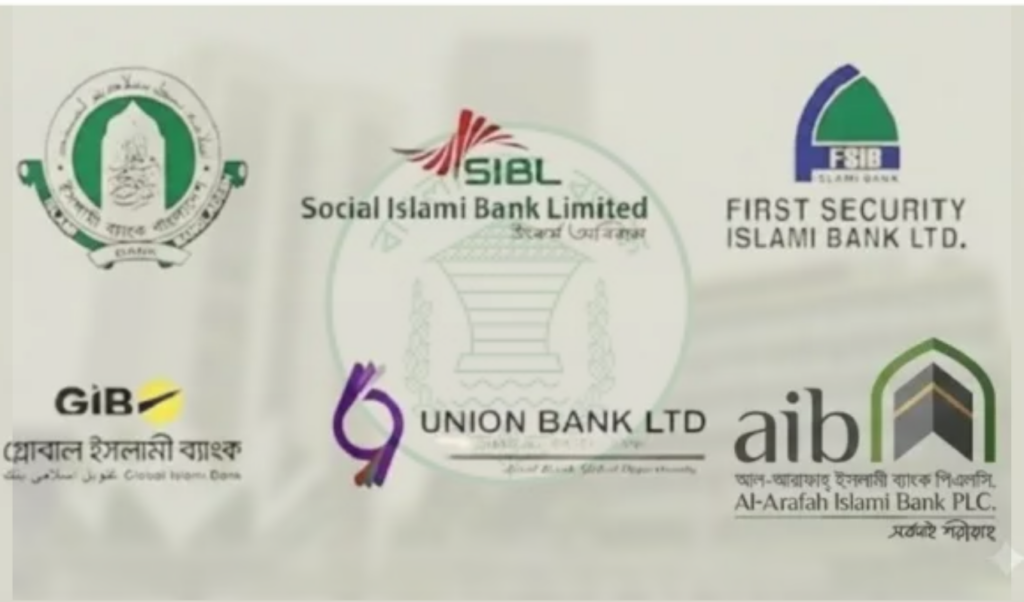
The investigation encompasses a specific group of financial institutions that were previously under the operational control of the S. Alam Group. These include:
-
Islami Bank Bangladesh PLC
-
Social Islami Bank PLC
-
First Security Islami Bank PLC
-
Al-Arafah Islami Bank PLC
-
Union Bank PLC
-
Global Islami Bank PLC
The primary objective of the committee is to determine whether the thousands of personnel recruited during the S. Alam Group’s tenure were hired through transparent, merit-based procedures. Simultaneously, the committee will examine the justifications provided by the current management of these banks for the recent termination of contracts and forced resignations.
Allegations of Arbitrary Redundancy
The formation of this committee follows significant unrest among banking professionals. According to claims made by displaced workers, approximately 10,000 officers and staff members have been relieved of their duties since 5 August 2024. Protesters contend that these dismissals were executed without prior notice, formal warnings, or specific cause.
On 19 April, thousands of former employees organised a human chain in front of the Bangladesh Bank headquarters in Motijheel. The demonstrators argued that the ongoing “cleansing operation” within the Islamic banking sector is discriminatory and bypasses standard labour laws and service rules. They have formally petitioned the central bank for reinstatement, asserting that they have been unfairly targeted due to the timing of their initial hiring.
Management Justifications and Irregularities
In contrast, the current administrations of the six banks maintain that the dismissals are a necessary corrective measure to address systemic corruption in human resources. Management sources allege that between 2017 and 2024, the recruitment process was bypassed entirely to accommodate political appointees and individuals associated with the S. Alam Group.
Specific allegations under review by the committee include:
-
Lack of Competitive Selection: Claims that thousands were hired without public job advertisements or competitive written and oral examinations.
-
Regional Bias: Assertions that the banks were disproportionately staffed with candidates from a specific district in Chittagong, regardless of their qualifications.
-
Academic Fraud: Findings by internal audits suggesting that some employees secured positions using forged educational certificates.
-
Incompetence: Reports that a significant number of recruits failed to pass basic internal evaluation tests but remained on the payroll due to external influence.
Mandate and Expected Outcome
The seven-member committee has been instructed to conduct a thorough audit of the human resource files of the affected institutions and submit a comprehensive report within the coming weeks. The findings of this report will serve as the definitive basis for the Bangladesh Bank’s subsequent directives.
Should the committee find that specific dismissals violated established protocols, those employees may be considered for reinstatement. Conversely, if the investigation confirms that the original appointments were fraudulent or lacked legal standing, the terminations will be upheld.
The initiation of this probe has led to a period of administrative instability within the six banks, as both current staff and those seeking reinstatement await the committee’s findings. This investigation represents a critical step by the central bank to restore corporate governance and public confidence in the nation’s Islamic banking sector.