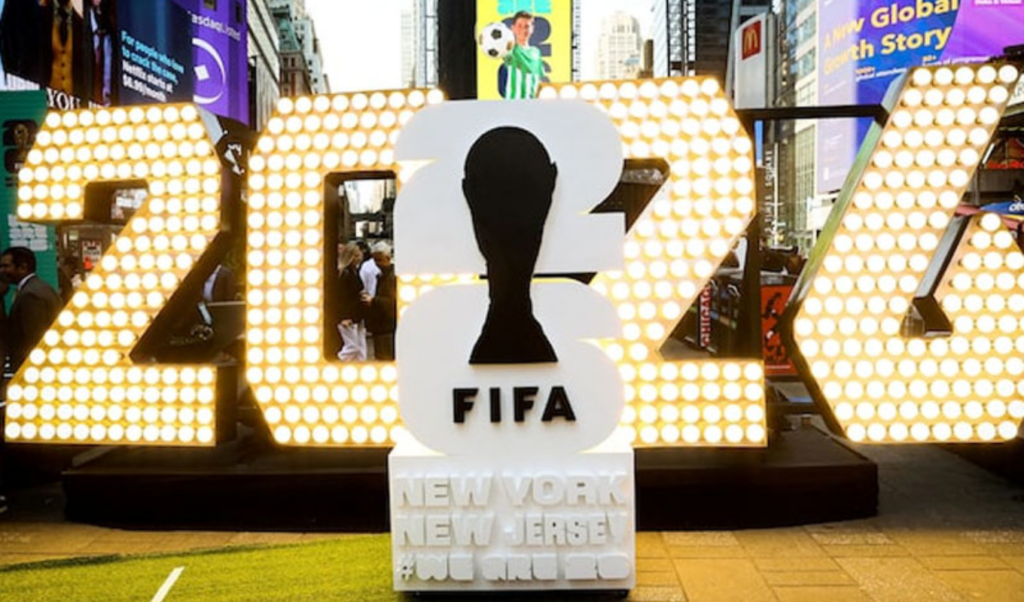
A significant degree of uncertainty has emerged regarding the broadcasting rights for the upcoming FIFA World Cup in two of the world’s most populous markets, India and China. With the tournament scheduled to commence next month, millions of football enthusiasts face the possibility of being unable to view the matches live due to protracted negotiations and commercial disagreements between FIFA and regional broadcasters.
Stalled Negotiations in the Indian Market
According to reports from Reuters, citing informed sources, FIFA has yet to formalise a broadcasting agreement with any Indian media entity. A joint venture between Reliance Industries and The Walt Disney Company reportedly submitted a bid valued at approximately $20 million for the rights. However, this proposal failed to meet the financial expectations of world football’s governing body.
While Sony Group Corporation was initially involved in preliminary discussions regarding the acquisition of rights, the conglomerate ultimately declined to submit a formal bid. This leaves the Indian market in a precarious position as the countdown to the opening whistle begins.
In India, the commercial landscape for football remains challenging when compared to the dominant market share of cricket. Furthermore, because the upcoming tournament is being hosted across the United States, Canada, and Mexico, match timings are expected to fall during the late night or early morning hours in South Asia. Experts suggest this temporal misalignment may lead to a reduction in television viewership, making broadcasters hesitant to meet FIFA’s high valuation for the rights.
Unprecedented Silence in China
The situation in China mirrors the impasse in India, albeit with different historical context. In previous iterations of the tournament, such as the 2018 and 2022 World Cups, the state-run broadcaster China Central Television (CCTV) had secured and commenced the promotion of broadcasting rights well in advance.
As of now, no Chinese broadcaster has finalised a contract with FIFA. This departure from established protocol has raised concerns among fans and advertisers alike, as the logistical window for infrastructure preparation and advertising sales continues to narrow.
The Global Statistical Context
The potential absence of live coverage in these two nations represents a significant risk for FIFA’s global reach. Data from the 2022 World Cup illustrates the magnitude of these markets:
-
China accounted for 17.7% of the total global television audience.
-
India contributed 2.9% of the global television audience.
-
Combined, the two nations represented 22.6% of the world’s digital streaming viewership.
FIFA has confirmed that broadcasting agreements have already been secured in more than 175 territories worldwide. However, the organisation acknowledged that discussions regarding India and China remain “ongoing.”
Challenges and the “Final Move”
The World Cup is set to begin on 11 June. The limited time remaining presents a formidable logistical challenge; even if a deal is struck immediately, broadcasters must still prepare technical infrastructure and mobilise the advertising market to recoup their investment.
Rohit Potphode, Partner at the sports division of the advertising agency Dentsu India, provided a professional perspective on the current climate. He noted that while time is exceptionally short, the situation should not yet be classified as a total deadlock. Instead, he likened the current state of negotiations to the final phase of a chess match, stating:
“There is very little time left before the World Cup. I wouldn’t call it a stalemate yet. It’s more like the end game in chess—just a few moves remaining.”
As the deadline approaches, the global sporting community awaits a resolution that would ensure hundreds of millions of fans in Asia are not excluded from the world’s premier footballing event.