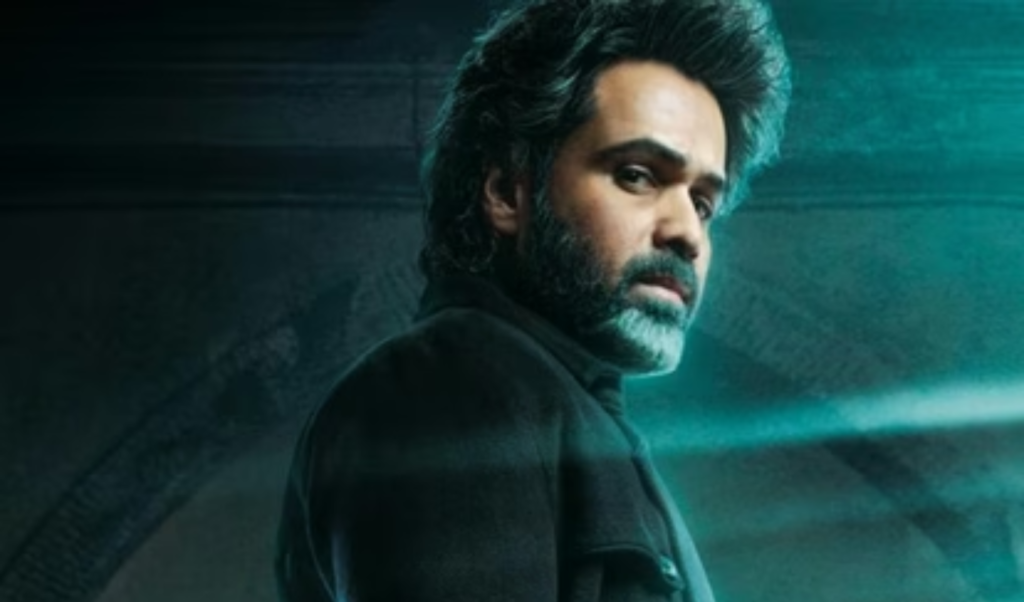
The 2004 Bollywood feature film Tumsa Nahin Dekha failed to achieve commercial success or secure critical acclaim upon its initial theatrical release. Whilst the motion picture’s conventional narrative failed to resonate with contemporary audiences, its accompanying soundtrack has established an enduring legacy. Over the last two decades, the music from this commercially unsuccessful project has achieved iconic status within the landscape of Indian cinema.
Production Background and Structural Changes
The romantic drama stars actors Emraan Hashmi and Dia Mirza in the leading roles. The project was directed by Anurag Basu and produced under the stewardship of veteran filmmaker Mahesh Bhatt. During its initial development phases, the film was originally titled Zaroorat. However, prior to its official theatrical distribution, the producers elected to alter the title to Tumsa Nahin Dekha.
Despite the strategic rebranding and promotional efforts, the cinematic release was certified as a box-office flop. Audiences and critics alike critiqued the simplicity of the plot, which hindered its financial performance in theatres. Conversely, the musical compositions defied the film’s negative commercial trajectory, securing a positive reception from listeners that has persisted for more than twenty years.
The Cultural Impact of the Compositions
Upon release, the soundtrack generated substantial interest, particularly amongst younger demographics. The track titled Dhuan Dhuan Sa Rahne Do created a distinct cultural phenomenon around the leading actor, Emraan Hashmi. Hashmi’s early career became synonymous with hit music, and this film reinforced that specific reputation despite its lack of box-office earnings.
The musical album comprises a total of nine tracks. This structure includes seven entirely original compositions, alongside two alternative versions that present specific songs in contrasting “happy” and “sad” arrangements to fit the narrative arc of the film. Every track on the album achieved high rotation across radio networks and personal playlists during the mid-2000s, and they continue to evoke strong feelings of nostalgia among contemporary audiences.
Creative Team and Production Challenges
The enduring success of the musical score is attributed to the collaborative efforts of established industry professionals. The soundtrack was composed by the prominent music director duo Nadeem–Shravan, whilst the lyrics were penned by the veteran lyricist Sameer. The vocal performances featured a line-up of some of the most celebrated playback singers in Indian cinema, including:
-
Udit Narayan
-
Shreya Ghoshal
-
Shaan
-
Roop Kumar Rathod
-
Sonu Nigam
The production phase of Tumsa Nahin Dekha was marred by severe personal adversity behind the scenes. During the filming schedule, director Anurag Basu was diagnosed with blood cancer, representing an exceptionally challenging period in his personal and professional life. Due to his medical situation, he was unable to complete the entirety of the project. To ensure the film reached completion, Mukesh Bhatt stepped in to manage and finish the production of certain remaining sequences of the movie.
Whilst the collective narrative and cinematic execution of Tumsa Nahin Dekha did not achieve longevity in the annals of box-office history, its auditory components have secured an indelible position in Hindi cinema history. The soundtrack has successfully transitioned across generations, continuing to serve as a milestone of mid-2000s Bollywood music that evokes deep nostalgia for listeners today.