Bangladesh’s dengue outbreak has taken a further toll, with three more deaths reported in the past 24 hours and 534 additional patients admitted to hospitals across the country, according to the latest figures released by the Directorate General of Health Services (DGHS).
The new fatalities have pushed the country’s dengue death toll this year to 50, while the cumulative number of hospital admissions since January has climbed to 14,690. The figures, issued in a DGHS statement on Wednesday, 29 July, reflect the continuing spread of the mosquito-borne disease and the growing pressure it is placing on the country’s healthcare system.
Of the three deaths recorded during the latest reporting period, one occurred in an area under the Dhaka South City Corporation. The other two fatalities were reported from the Barishal and Mymensingh divisions. The patients had been receiving treatment before succumbing to complications linked to the disease.
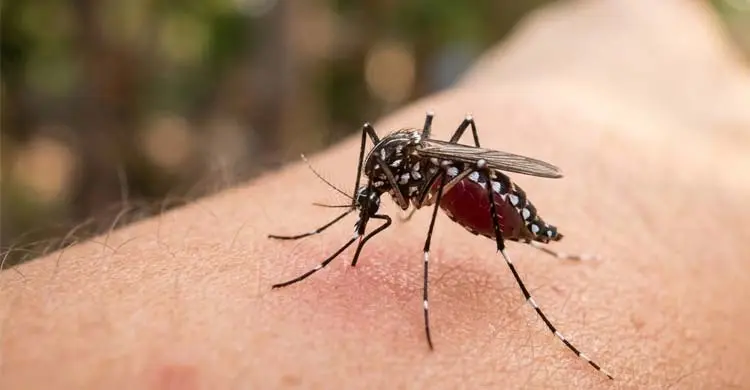
The latest surge in admissions comes as dengue remains a persistent public health challenge in Bangladesh, where outbreaks tend to intensify during periods favourable to the breeding of Aedes mosquitoes. The insects responsible for transmitting dengue can reproduce in small collections of stagnant water, including those found in discarded containers, flower pots, rooftop spaces, drains, construction materials and other locations around homes and urban neighbourhoods.
The continuing rise in infections has renewed calls for stronger preventive measures at both household and community levels. Health officials have repeatedly urged residents to inspect their surroundings and remove standing water wherever it is found. Regular cleaning of rooftops, balconies, gardens, construction sites and other potential breeding grounds can play a significant role in reducing mosquito populations.
Residents have also been advised to remain alert to possible symptoms of dengue and seek medical advice without delay if they become unwell. Early medical assessment is particularly important because the illness can vary considerably in severity. While many patients recover with appropriate care, some may develop serious complications requiring close observation and hospital treatment.
The growing number of hospital admissions is also placing additional demands on healthcare facilities and medical personnel. A sustained rise in cases can increase pressure on hospital beds, emergency services and clinical staff, particularly when several patients require close monitoring at the same time.
Authorities have stressed that dengue prevention cannot depend solely on hospitals or government-led mosquito-control campaigns. Community participation is essential to reducing breeding sites and limiting transmission. Regular removal of stagnant water, improved environmental cleanliness and greater public awareness are among the key measures that can help curb the spread of the disease.
With 14,690 hospital admissions and 50 reported deaths already recorded this year, the latest figures serve as a fresh warning of the scale of the dengue threat. Continued vigilance, timely access to healthcare and coordinated efforts to eliminate mosquito breeding grounds will remain crucial in preventing further infections and reducing the risk of additional deaths.