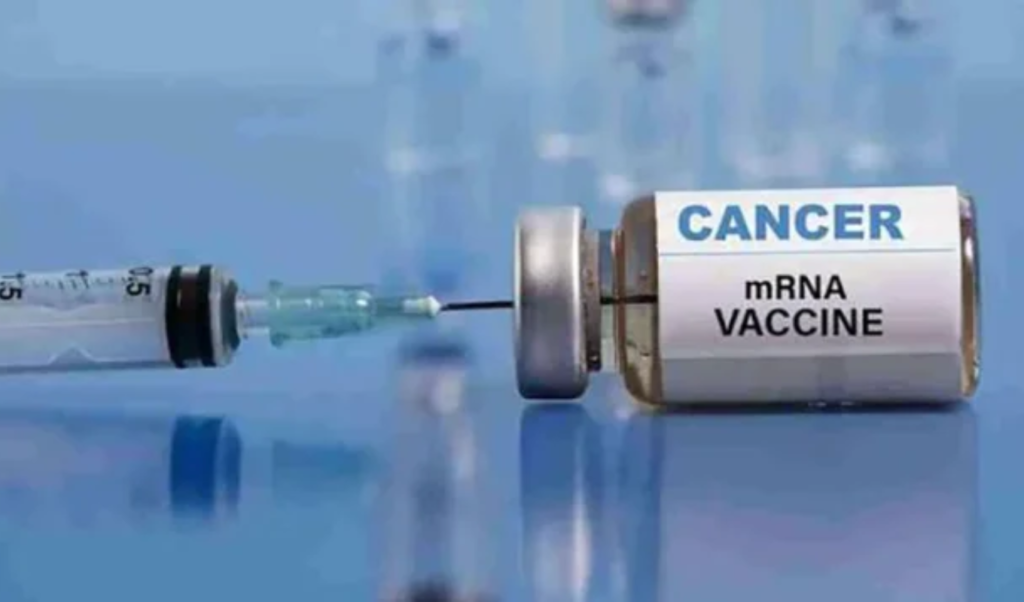
Russian medical researchers have announced encouraging initial results from early trials of a locally developed mRNA-based cancer vaccine targeting advanced melanoma. According to lead scientists, the first patient to receive the trial therapy has successfully mounted the targeted immune response required to combat malignant cells, with no severe adverse effects reported to date.
The custom-engineered therapeutic vaccine, designated Neooncovac, was developed by the Gamaleya Research Institute of Epidemiology and Microbiology—the prominent research institution behind the Sputnik V COVID-19 vaccine—in collaboration with national radiology and oncology centres. Aleksandr Gintsburg, scientific director of the Gamaleya Institute, confirmed that the primary recipient is generating active biological compounds that assist the body’s immune system in identifying and dismantling both primary tumours and metastatic growths.
The breakthrough trial involves a 60-year-old male patient suffering from stage-three melanoma, currently receiving specialized care at the Herzen Moscow Oncology Research Institute. Neooncovac was first administered to the patient in April, marking the formal deployment of Russia’s newly approved personalized cancer therapies. Researchers plan to administer two additional doses as part of the initial treatment regimen while continuously monitoring the patient’s long-term immunological profile.
Concurrently, Russian scientists are synthesizing individualised mRNA vaccines for ten additional candidates, with production expected to be finalized over the next six to twelve weeks. Explaining the mechanism behind the treatment, Andrey Kaprin, head of the National Medical Research Centre of Radiology, noted that each vaccine is produced by mapping the unique genetic mutations present within a patient’s specific tumor tissue. This genomic blueprint effectively trains white blood cells to pinpoint and neutralize cancer cells without damaging surrounding healthy tissue.
The Russian Ministry of Health approved two distinct personalized cancer treatments late last year: Neooncovac for advanced melanoma and Oncopept, a peptide-based medication targeting metastatic colorectal cancer. Health authorities confirmed that patients undergoing treatment with Oncopept have also demonstrated promising immune activation. Following these early successes, Russian research teams are expanding the mRNA platform to develop targeted immunotherapies for pancreatic, renal, and non-small cell lung cancers.