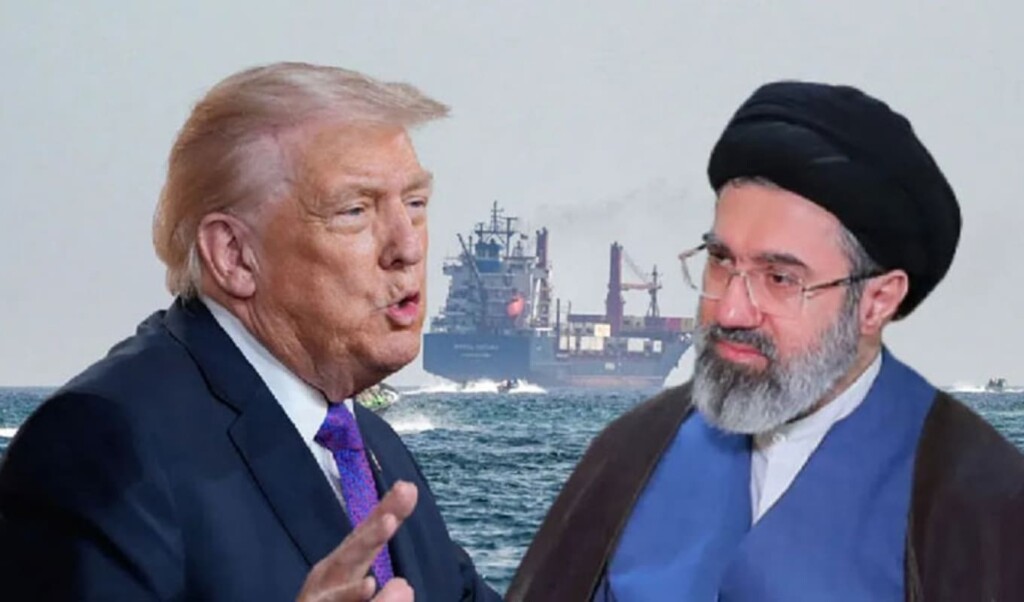
United States President Donald Trump has revealed that Washington is preparing to resume diplomatic negotiations with Iran, indicating that discussions could begin as early as Monday afternoon local time. The announcement marks a notable turn in the high-stakes standoff between the two nations, following a decision by the US administration to stand down from executing planned military strikes against strategic Iranian targets.
Addressing the rationale behind suspending the military operation, President Trump asserted that the retreat from kinetic action followed intense diplomatic appeals from key allies in the Gulf region. According to the US President, official mediators from Saudi Arabia, the United Arab Emirates, and Qatar actively urged Washington to cancel the impending bombardment. The Gulf states have grown increasingly wary of the potential fallout from a direct military confrontation, which threatens to destabilise maritime trade routes, disrupt energy markets, and trigger widespread regional instability.
Tehran’s response to the American declaration has been marked by skepticism and denial. While the official Iranian government has refrained from issuing an immediate formal communique, state-affiliated media sources swiftly challenged Washington’s version of events. In a report addressing the matter, Iran’s semi-official Mehr News Agency denied that Tehran had reached out to avoid military action, maintaining that the Iranian leadership had made no request—either directly or through regional intermediaries—for the United States to abort its strikes.
The dynamic illustrates the persistent volatility characterising relations between the US and Iran, a friction that intensified significantly following Washington’s departure from the 2015 Joint Comprehensive Plan of Action (JCPOA) nuclear agreement. The subsequent enforcement of stringent financial sanctions and enhanced military deployments in the Middle East has created an environment of heightened alert, where tactical miscalculations risk escalating into broader conflict.
Observers note that the involvement of mediation from Gulf partners points to a collective desire among regional powers to manage security risks pragmatically. Although the immediate threat of strikes appears to have subsided into dialogue, significant hurdles remain before any formal diplomatic consensus can be reached between the two adversaries.