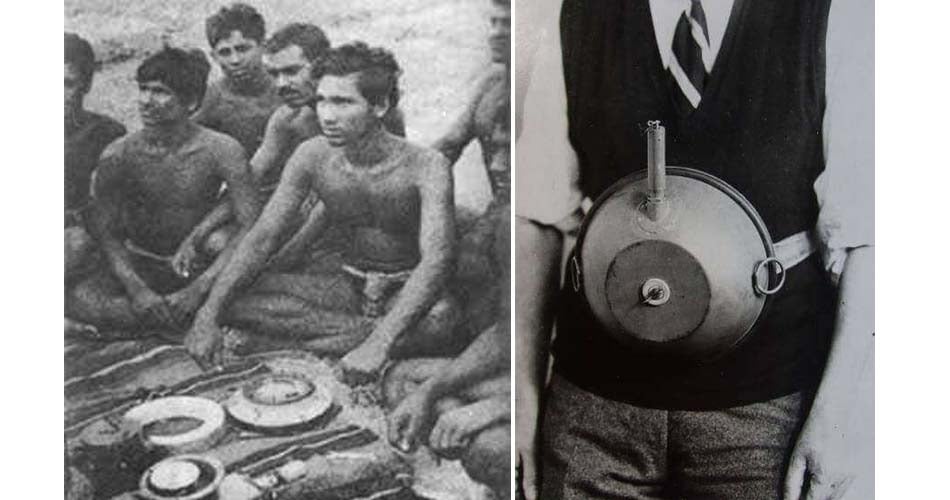
Operation Jackpot stands among the most daring and strategically significant guerrilla operations carried out by the Mukti Bahini during Bangladesh’s Liberation War in 1971. Led by specially trained Bengali naval commandos, the operation targeted Pakistan’s military supply and communication network through coordinated attacks on major river and seaports.
The operation was launched in the early hours of 16 August 1971, following months of preparation and specialised training. Separate groups of naval commandos attacked the ports of Chattogram, Chandpur and Narayanganj at roughly the same time, while another assault was carried out at Mongla port in the early morning. Several vessels carrying weapons, supplies and other materials connected to the Pakistani military effort were destroyed or damaged.
Planning a secret naval offensive
The operation was conceived after Bengali naval commandos had received specialised training to conduct underwater sabotage against vessels and disrupt Pakistan’s maritime supply lines. The first trained group of commandos was divided into four teams, each assigned a specific target: Chattogram seaport, Mongla seaport, Chandpur river port and Narayanganj river port.
Two of the teams consisted of about 60 commandos each, while the other two had around 20 members apiece. Maintaining secrecy was considered essential. Special communication arrangements were established between the team leaders and the military authorities involved in coordinating the operation from Bangladesh and India. Officials associated with Kolkata’s Akashvani broadcasting service were also brought into the secret communication system.
The commandos were not informed through ordinary military announcements. Instead, two Bengali songs were selected as coded signals.
The first was Alpana Banerjee’s rendition of Amar Putul Ajke Prothom Jabe Shoshurbari. Its broadcast was intended to signal that the commandos should make their final preparations. Within 24 hours, the second signal was to be broadcast: Pankaj Mullick’s rendition of the Rabindra Sangeet Ami Tomay Joto Shuniyechhilam Gaan. Hearing the second song meant that the final attack was to begin.
For ordinary listeners, the broadcasts sounded like regular Bengali music. For the commandos, however, they carried operational instructions. Details concerning the timing and radio frequencies were restricted to those responsible for the mission.
From Harina camp to the targets
The commandos set out from the Harina camp at Palashi in Kolkata towards their assigned targets. They were equipped for underwater sabotage and long movements through difficult terrain and waterways.
Each commando was issued a limpet mine, a knife, a pair of swimming fins and dry food. One Sten gun was provided for every three commandos, while team leaders were equipped with transistor radios to receive coded instructions.
The operation was scheduled for the night of 15 August and the early hours of 16 August. The commandos had to approach the target vessels quietly, attach the explosives to their hulls and withdraw before the blasts.
Explosions across major ports
At around 1am on 16 August, the naval commandos began their final movements. At approximately 1.15am, they entered the water and swam towards the designated vessels. Working in silence, they attached limpet mines to the hulls before retreating to safer positions.
The first major explosion at Chattogram occurred at around 1.40am. Further blasts followed at Chattogram, Chandpur and Narayanganj, striking important points in Pakistan’s maritime and riverine supply network.
At Mongla, the operation took place in the early morning. After about 6.30am, a series of mine explosions struck vessels in the port area. The attacks damaged or destroyed ships connected to the transportation of supplies for the Pakistani forces.
The simultaneous nature of the attacks was particularly significant. Rather than confronting the Pakistani military in a conventional battle, the commandos struck several strategically important locations almost at once, creating disruption across different parts of the country’s waterways.
A major blow to Pakistan’s supply system
Operation Jackpot dealt a serious setback to Pakistan’s logistical arrangements in occupied Bangladesh. The country’s river and seaports were important channels for transporting military equipment, ammunition, fuel and other supplies. Disrupting vessels operating through these routes therefore had consequences beyond the immediate destruction caused by the explosions.
Several vessels carrying weapons and supplies for Pakistani forces were damaged or destroyed. Among the affected ships were foreign vessels that were assisting Pakistan’s wartime logistics.
The operation also carried significance beyond the immediate military damage. The attacks demonstrated that the Bengali resistance had developed the capability to conduct coordinated sabotage operations against strategically important targets, despite having limited resources compared with the Pakistani military.
Commandos who paid the ultimate price
The success of Operation Jackpot came at a heavy human cost. The naval commandos operated under extreme danger, knowing that discovery could result in capture, torture or death.
Among those who were killed during related operations were Commando Abdur Rakib, who was martyred during the Phulchhari Ghat operation; Commando Hossain Farid, who was captured by Pakistani forces during a second operation in Chattogram and later killed; and Commando Khabiruzzaman, who was martyred during a second operation in Faridpur.
Several others disappeared during operations. They included Sirajul Islam, M Aziz, Aftab Uddin and Rafiqul Islam.
Their fate remains part of the wider story of the sacrifices made by the resistance forces during the Liberation War.
A landmark operation in the Liberation War
Operation Jackpot was far more than a series of attacks on individual vessels. It was a carefully planned and highly secretive naval guerrilla campaign that combined specialised training, intelligence, coded communication and coordinated action.
The use of underwater mines allowed relatively lightly armed commandos to strike vessels without engaging directly in conventional combat. The simultaneous attacks also showed the importance of planning and secrecy in guerrilla warfare.
For Pakistan’s forces, the operation exposed vulnerabilities in a supply network that was essential to sustaining military operations across occupied Bangladesh. For the Bengali resistance, it demonstrated that determined and specially trained fighters could inflict significant damage on a much stronger military force.
More than five decades later, Operation Jackpot remains an important chapter in the history of Bangladesh’s Liberation War. The courage, discipline and sacrifice of the naval commandos who took part in the operation continue to form part of the country’s broader history of resistance and independence.
The memory of those who were killed or disappeared during Operation Jackpot, along with all those who sacrificed their lives during the Liberation War, remains inseparable from Bangladesh’s struggle for independence.