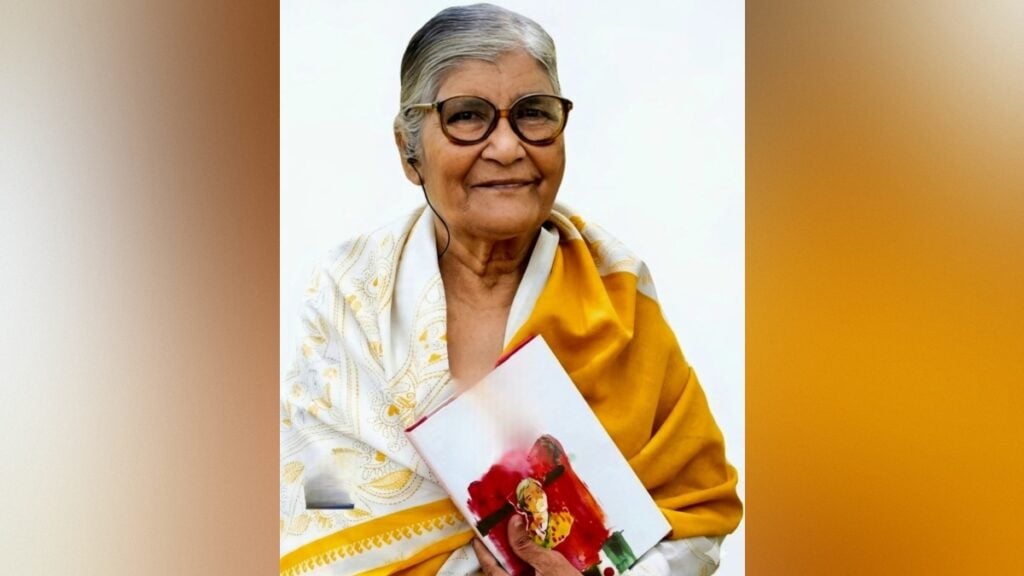
Some lives are so burdened by tragedy, yet so extraordinarily courageous, that they transcend personal narrative to become an indelible part of a nation’s history. Roma Chowdhury was one such figure—a Birangona (war heroine) of the 1971 Bangladesh Liberation War, an educator, a prolific author, and a woman of unyielding dignity. Her life stands as a testament to resilience amidst torture, the grief of losing her children, and a lifelong refusal to surrender her self-respect.
Early Life and Academic Career
Born in Popadia village within the Boalkhali Upazila of Chittagong, Roma Chowdhury pursued higher education at a time when opportunities for women were limited. In 1961, she earned a Master’s degree in Bengali Language and Literature from the University of Dhaka, becoming one of the first female postgraduate degree holders from South Chittagong.
She began her professional career in 1962 as the headmistress of Cox’s Bazar Girls’ High School, going on to serve as headmistress in various secondary schools for nearly sixteen years. Alongside her teaching career, literary composition remained a central focus of her life.
The Horror of 1971
When the Liberation War broke out in 1971, Chowdhury was living in her ancestral village of Popadia with her three young sons and elderly mother while her husband had crossed the border into India.
On 13 May 1971, Pakistani occupation forces, assisted by local collaborators, raided her home. She was abducted and subjected to brutal physical assault while holding her infant child. Following the attack, she sought refuge in a nearby pond, only to watch the soldiers set fire to her home with gunpowder, destroying all her belongings and family memories.
For the remainder of the war, she endured a precarious existence, hiding in fields and forests with her children and mother, often seeking shelter under the open sky. These harrowing experiences later formed the core of her iconic book, Ekattorer Jononi (Mother of 71), a personal document detailing the atrocities committed during the conflict.
Post-War Personal Tragedies
Though Bangladesh achieved independence on 16 December 1971, peace eluded Chowdhury. On 20 December 1971, her five-year-old son, Sagor, died of illness brought on by wartime hardships. On 15 February 1972, her three-year-old son, Togor, also passed away.
Years later, tragedy struck again when her third son, Dipankar Tunu, was killed in a road accident in Boalkhali on 16 December 1998. Having lost all three of her children, she chose to bury rather than cremate them.
Walking Barefoot in Protest and Grief
Following the death of her youngest son, Chowdhury walked barefoot through the streets for nearly fifteen years. She refused to wear shoes because her children were buried in the soil, feeling that stepping on that same earth with footwear was something she could not bring herself to do. Her barefoot journey became a silent protest, a symbol of maternal grief, and a physical manifestation of the war’s enduring trauma.
Self-Reliance and Literary Legacy
Despite living in extreme poverty after the war, Chowdhury steadfastly refused charitable financial aid. Instead, she earned her living solely by writing and selling her own books. Educated with a Master’s degree from Dhaka University, she frequented the streets of Chittagong selling her literary works directly to readers, choosing self-reliance over dependence.
Her literary portfolio spans around nineteen published books, including essays, poetry, and novels. Her most prominent work, Ekattorer Jononi, occupies a distinct place in Bangladeshi war literature for its candid account of wartime trauma, loss, and the struggles of post-war life. Her other notable works include Ekhajar Ek Din Japoner Poddo, Bhab Boichittrye Rabindranath, Agunranga Agunjhora, Oshrubheja Ekti Din, and Nazrul Protibhar Sondhane.
Final Chapter and Posthumous Recognition
After a prolonged illness, Roma Chowdhury passed away on 3 September 2018 at Chittagong Medical College Hospital. In accordance with her final wishes, she was laid to rest with full state honours next to her son Tunu’s grave in Popadia village. She was later posthumously awarded the Begum Rokeya Padak in recognition of her lifelong struggle and contributions to literature and society.