Iran has announced a doubling of the petrol price for higher-volume consumers as the country faces mounting economic pressure and growing tensions with the United States over the strategic waters of the Persian Gulf.
At the same time, Tehran plans to establish a new restricted maritime zone covering parts of the strategically important Strait of Hormuz and the Persian Gulf. The move comes amid reports of intensified US naval restrictions targeting Iran and efforts by Washington to tighten economic pressure on the country.
The developments were reported by Times Now on Monday, 7 September.
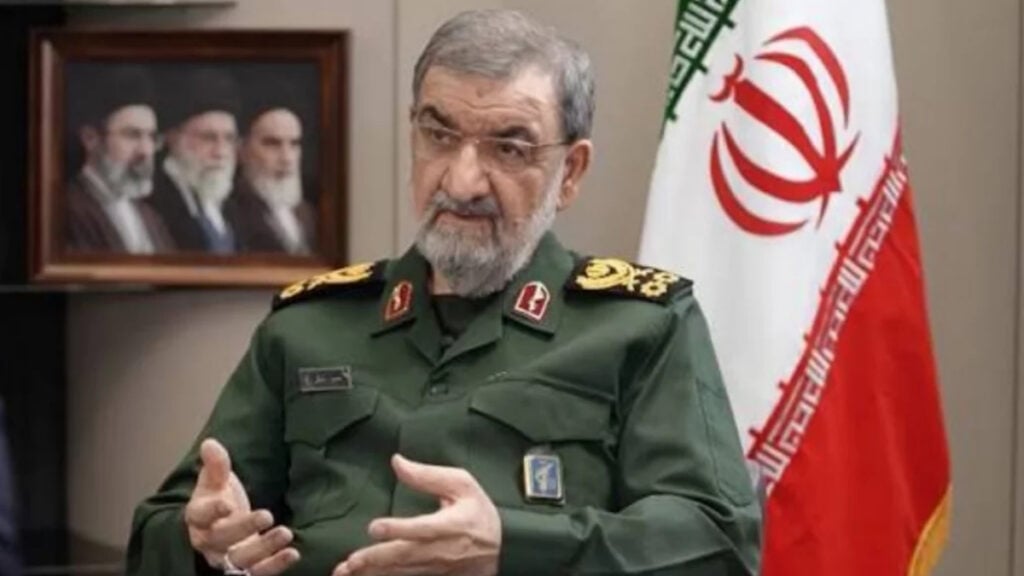
Iran’s senior security official Mohsen Rezaei said in a statement broadcast on state television that the new restricted zone would be established within the coming days. The proposed area would reportedly extend from the line of the US naval blockade to designated parts of the Persian Gulf.
Rezaei said vessels entering the area could be placed on Iran’s own sanctions list. The announcement adds another layer of uncertainty to an already tense maritime environment in the Gulf, where the movement of commercial shipping and energy supplies is closely watched by international markets.
The Strait of Hormuz is particularly significant because it is one of the world’s most important energy transit routes. A substantial volume of crude oil and petroleum products from Gulf-producing countries passes through the narrow waterway before reaching international markets. Any disruption or heightened military confrontation around the strait could therefore have consequences beyond the immediate region.
Higher petrol prices for additional consumption
Alongside the maritime measures, Iran is introducing a higher petrol price for consumers who exceed the lower stages of their monthly fuel allocation.
From the morning of 8 September, the price under the third tier will rise from 5,000 toman to 10,000 toman per litre. Government spokesperson Fatemeh Mohajerani confirmed the decision, while stating that prices under the first and second monthly petrol quotas would remain unchanged.
The tiered pricing system means that the increase will primarily affect fuel consumption beyond the lower quota levels rather than representing a uniform doubling of petrol prices for every consumer.
The decision comes as Iran continues to face severe economic difficulties, including pressure on its national currency. Since the reported start of the US-Israeli conflict on 28 February, the Iranian rial has continued to lose value. The open-market exchange rate has reportedly risen to around 2.2 million rials for one US dollar.
The sharp depreciation of the rial has added to the wider economic strain facing households, businesses and the government. A weaker currency can increase the cost of imported goods and place additional pressure on domestic prices, particularly when access to foreign currency is restricted.
Washington seeks tougher pressure on Iranian oil exports
The latest measures also coincide with Washington’s efforts to intensify economic pressure on Tehran.
US Treasury Secretary Scott Bessent has recently outlined plans for comprehensive economic restrictions targeting Iran. As part of that strategy, Washington is seeking to drive Iranian oil exports towards zero while combining economic sanctions with maritime measures.
Oil exports are a crucial source of revenue for Iran, making restrictions on the sector particularly significant for the country’s finances. The prospect of tighter enforcement against Iranian oil shipments could further complicate Tehran’s efforts to maintain export revenues at a time when its currency is under heavy pressure.
Against this backdrop, Iran’s decision to impose a new maritime restriction zone and increase the price of higher-tier petrol reflects the growing intersection between the country’s security policies and its economic challenges.
The situation also places renewed attention on the Strait of Hormuz. Any further escalation involving naval forces, commercial vessels or restrictions on shipping through the waterway could have implications for regional security and global energy markets.