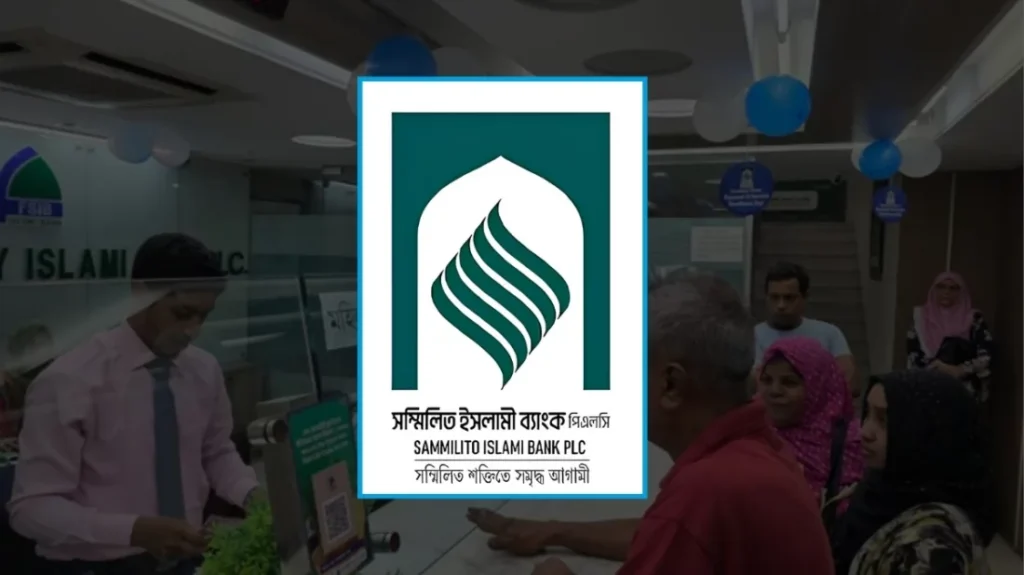
In a significant step towards restoring public confidence, Sommilito Islamic Bank began disbursing funds to its depositors on Monday, paying out roughly 250 billion taka (around £160 million) to approximately 6,000 customers on the very first day. The payout comes as the newly restructured entity, formed by merging five troubled Sharia-compliant lenders, officially resumed standard banking operations alongside the reactivation of online fund transfers.
The institution was created under a state-backed intervention that amalgamated First Security Islamic Bank, Social Islami Bank, Union Bank, Global Islami Bank, and EXIM Bank. Whilst operating under a unified umbrella, the bank’s 761 branches across the country continue to serve customers locally.
Ahead of the disbursement drive, Bangladesh Bank allocated a 5,000 crore taka liquidity support package to ensure branches were adequately funded. Between September 1 and September 6, the bank received withdrawal applications from 74,000 depositors requesting a total of 3,925 crore taka. Central bank officials confirmed that sufficient capital had been placed across branches so that no valid applicant faced a refusal at the counter.
Managing Director Md Abedur Rahman Sikder noted that whilst full arrangements were in place for all applicants, not everyone visited their branch on the opening day. Several customers opted to leave their deposits untouched after discussions with staff, whilst others withdrew cash only to re-deposit it shortly afterwards, signaling a nascent return of trust. Branches in key commercial hubs—including Gulshan, Mohakhali, Banani, and Motijheel—welcomed queues of depositors, with staff offering flowers to customers as transactions proceeded smoothly.
The merger addresses a severe financial crisis stemming from extensive loan irregularities under previous ownership. Four of the merged entities were previously controlled by the Chittagong-based S. Alam Group, whilst EXIM Bank was led by the chairman of Naza Group. Financial audits conducted following the political shift in August 2024 revealed that nearly 80 per cent of the total loan portfolio across the five banks had been systematically misappropriated, leaving the institutions severely illiquid and unable to honour customer withdrawals.
To safeguard the financial system, the interim administration stripped the former owners of their equity, brought the entities under state ownership, and initiated the merger process. The current administration has continued this restructuring programme to stabilise the Sharia banking sector and guarantee customer deposits.