Health authorities in Bangladesh have recorded eight additional deaths from suspected measles symptoms over a 24-hour period, pushing the total mortality figure tied to the ongoing outbreak past the grim milestone of 1,000.
According to the latest epidemiological bulletin issued by the Directorate General of Health Services (DGHS) on Wednesday, the recent fatalities occurred between 8:00 am on Tuesday and 8:00 am today. This brings the aggregate casualty count to 1,044 since tracking commenced on 15 March. Official figures confirm that 100 individuals succumbed to laboratory-confirmed measles, whilst 944 died exhibiting clinical symptoms of the disease.
The geographical distribution of the latest fatalities highlights widespread transmission across multiple regions. The DGHS reported two deaths in Dhaka Division, three in Sylhet, two in Barishal, and one in Khulna. No fresh fatalities were logged among laboratory-confirmed cases during this specific 24-hour window.
Surveillance data reveals a persistent strain on the healthcare infrastructure. A total of 1,239 individuals displayed measles-like symptoms in the past day alone, raising the cumulative tally of suspected cases to 175,198. Meanwhile, 81 new infections were verified through laboratory testing, bringing the nationwide total of confirmed measles cases to 20,282.
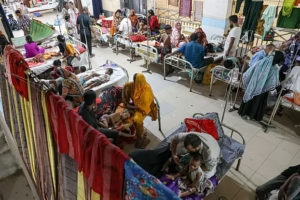
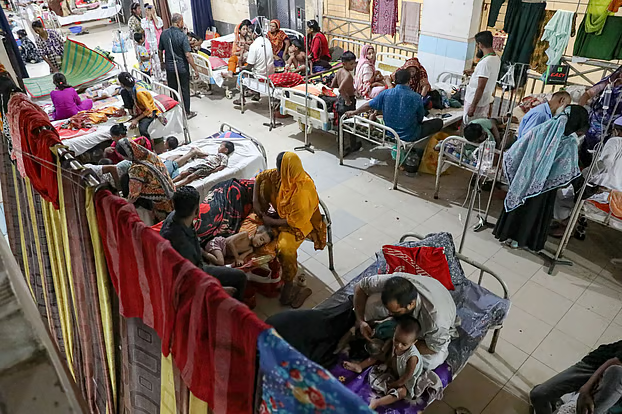
Hospitalisation rates reflect the severity of the surge. Since mid-March, 154,420 patients presenting with symptoms have required inpatient care across the country. Healthcare facilities have successfully discharged 148,465 patients following recovery, though hospital wards remain under substantial pressure.
While official DGHS reports do not provide age-specific breakdowns of infection or mortality rates, epidemiologists emphasise that young children remain exceptionally vulnerable. Measles is a highly contagious viral infection that spreads through respiratory droplets. Although it can affect individuals of any age, it frequently causes severe complications—such as pneumonia, encephalitis, and severe dehydration—in malnourished or unimmunised infants. Public health experts note that during active outbreaks, fatalities among patients presenting with classic clinical symptoms are standardly attributed to measles, given the rapid nature of transmission and constraints on universal laboratory testing.