A visionary scholar whose lifelong dedication immortalised the songs and soul of rural Bengal.
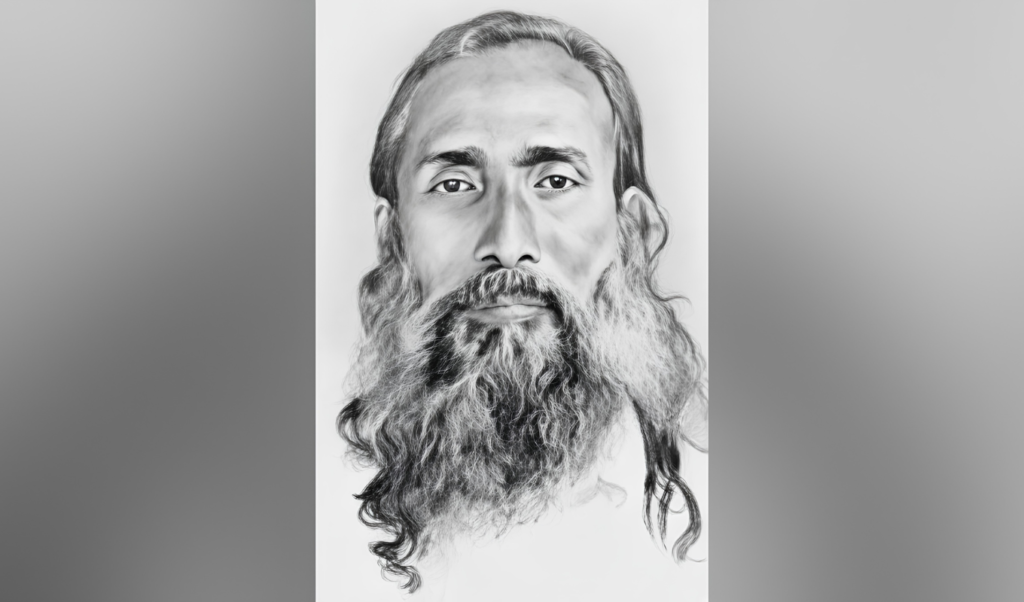
The cultural history of Bengal owes an immeasurable debt to those who ventured into its rural heartlands to preserve its fading oral traditions. Among the key figures who saved countless folk songs and literary treasures from oblivion, Muhammad Mansur Uddin stands out as an eminent collector, musicologist, and literary scholar. Through his meticulous research and deep affection for the soil, he built a rich archive of Bengali folk heritage.
Early Life and Academic Excellence
Muhammad Mansur Uddin was born in 1904 in Muraripur, a village located in the Sujanagar Upazila of Pabna district. He was the son of Zaidar Ali and Ziuarun Nesa.
A brilliant and inquisitive student from an early age, Mansur Uddin compiled an impressive academic record. He passed his matriculation examination in 1921, earned his Bachelor of Arts degree in 1926, and completed his Master of Arts in Bengali Language and Literature at the University of Calcutta in 1928, securing a first-class degree. He also earned third place in first class in Indian Vernaculars, establishing his academic reputation early on.
Yet alongside his formal education lay his true calling: collecting the endangered folk songs and lore of Bengal.
Inspired by Lalon: A Path to Folk Traditions
Mansur Uddin’s journey into folk literature began while he was still in the tenth grade. Reading Lalon Shah’s songs, which had been collected by Rabindranath Tagore and published in the journal Prabasi, sparked a lifelong passion. The compositions inspired him to immerse himself in collecting the songs and oral traditions of the Bauls and Fakirs scattered across the region.
Tagore himself later provided direct encouragement to the young scholar.
The first song Mansur Uddin collected was a composition by Lalon, taught to him by Premdas Bairagi, a singer in his home village of Muraripur. He submitted the song to Prabasi, which published it in its Ashwin 1330 (BS) edition. That initial publication marked the beginning of his lifelong commitment to collecting folk literature.
Haramoni: An Invaluable Archive of Folk Music
Mansur Uddin’s defining achievement was Haramoni, a monumental 13-volume collection of Bengali folk songs. Through this series, he recorded, preserved, and published countless songs originally preserved only in the oral traditions of Bauls, Fakirs, and mystic bards, introducing them to a broader readership.
His work extended beyond simple compilation. Through these songs, he highlighted the multifaceted nature of rural Bengali life—its philosophy, love, longing, spirituality, humanism, and quest for self-discovery.
In addition to Haramoni, he authored a major three-volume research work titled Bangla Sahitye Muslim Sadhana (Muslim Contributions to Bengali Literature). Over his career, he wrote and edited a total of 42 books, all of which remain vital resources for the study of Bengali literature and culture.
Career and Personal Philosophy
Mansur Uddin began his professional life in 1931 as a Sub-Inspector of Schools. He later transitioned into academia, serving as a professor at various colleges before retiring in 1959 as a Professor of Bengali Language and Literature. In 1952, he also served for six months as the editor of Mahe-Nau, a monthly official publication.
He spent several decades living in Dhaka, maintaining a distinct lifestyle noted for his fondness for the hookah, quality footwear, and the English language. Beyond these personal traits lay an open-minded, secular humanist who maintained close relationships with local Bauls and Fakirs. Within their lifestyle and songs, he sought the core truths of the Bengali spirit.
Honors and National Recognition
In recognition of his extensive contributions to folk literature, culture, and education, Mansur Uddin received several prestigious national awards:
| Year | Award | Category / Significance |
| 1965 | Bangla Academy Literary Award | Institutional recognition for folk literature research |
| 1976 | Ekushey Padak | State honour for contributions to Bengali culture |
| 1984 | Independence Award | Highest civilian honour in Bangladesh |
Demise and Enduring Legacy
Muhammad Mansur Uddin passed away on 19 September 1987. Though he is no longer with us, his legacy remains fully intact within the preserved folk traditions of Bengal.
Songs that might otherwise have been lost along remote village paths or forgotten with the passing of elder bards found a permanent home through his dedication. He demonstrated that folk literature is not a marginal relic, but a core component of national identity, history, and culture.
On the anniversary of his passing, we pay our respects to this dedicated scholar whose work continues to preserve the rich folk culture of Bengal across generations.