Five more children suffering from measles-like symptoms have died in Bangladesh within the last 24 hours, highlighting an ongoing public health challenge across the nation. During the same period, 1,280 new patients displaying symptoms of the disease were admitted to various hospitals nationwide.
Data released on Thursday by the Directorate General of Health Services (DGHS) control room reveals a concerning surge in caseloads and casualties since mid-March. Between 15 March and 24 September, total fatalities attributed to confirmed measles and suspected symptoms reached 1,081. Laboratory testing confirmed measles in 101 of these deaths, while 980 children succumbed after exhibiting symptoms consistent with the viral infection.
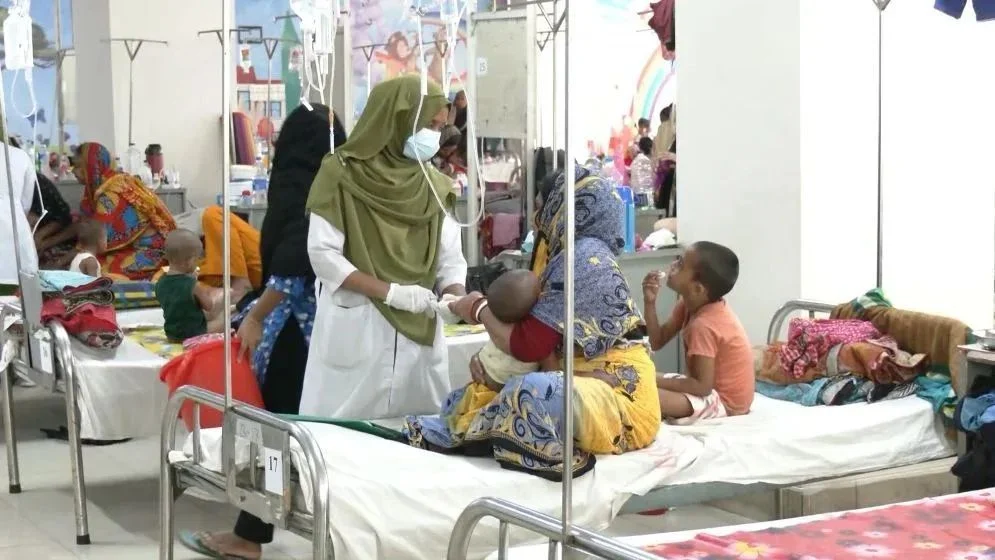
Hospital admissions have placed a considerable strain on health facilities. Over the six-month period, 163,153 individuals presenting with symptoms were admitted to hospital wards across the country. Medical teams have successfully treated and discharged 156,744 patients during this timeframe.
Recent daily tracking indicates that 1,183 suspected cases were recorded in a single day, bringing the aggregate count of suspected infections since 15 March to 184,632. Out of these, 100 cases were laboratory-confirmed over the past 24 hours, raising the total number of confirmed infections to 20,951. While no new deaths were recorded among laboratory-confirmed cases in the latest 24-hour cycle, the continuous influx of symptomatic patients underscores the persistence of transmission.
Measles remains a highly contagious viral illness caused by a morbillivirus, primarily transmitted through respiratory droplets from coughing or sneezing. Early symptoms typically include high fever, cough, runny nose, and inflamed eyes, followed several days later by a distinctive red rash that spreads across the body. The disease poses severe risks to young children, particularly those suffering from malnutrition or compromised immune systems. Potential complications range from severe diarrhoea and pneumonia to blindness and encephalitis. Routine vaccination programmes, alongside supplemental immunisation campaigns, remain the most effective defense against widespread outbreaks. Health authorities continue to monitor hospital capacity and coordinate response measures to control transmission and provide necessary medical interventions for affected children.