A special court in Faridpur has sentenced a young man to life imprisonment for the sexual assault of a 13-year-old child in the Char Bhadrasan area.
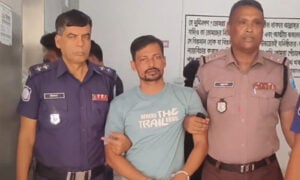
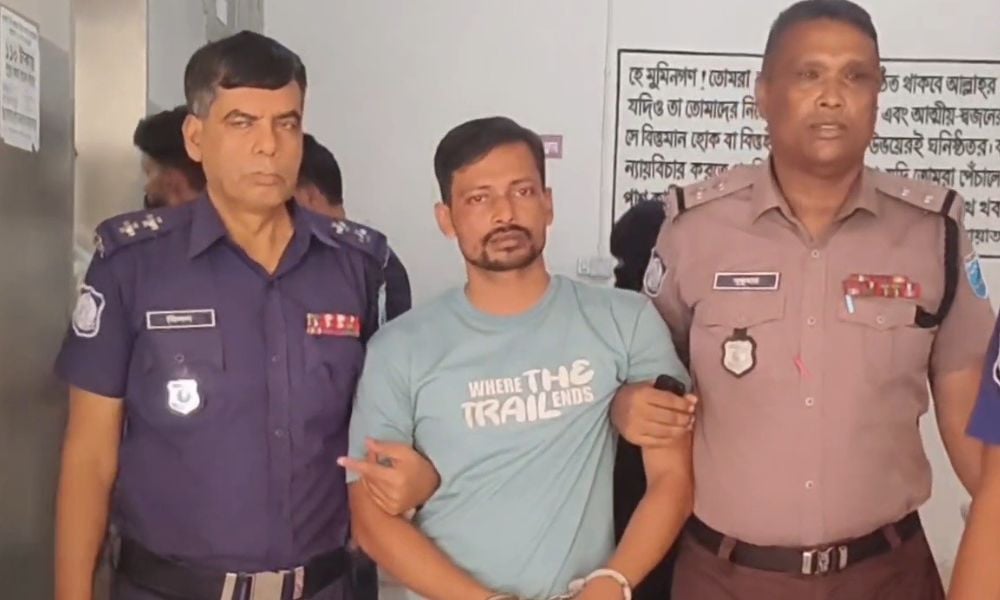
The verdict was delivered on Tuesday afternoon by the presiding judge of the Faridpur Prevention of Violence Against Children Tribunal. The convict, identified as Raju Sheikh, was present in the dock when the court pronounced the judgement. Alongside the life sentence, the tribunal imposed a fine of 200,000 taka on the convict. Should he fail to pay the fine, he will have to serve an additional year in prison. Following the sentencing, law enforcement officials escorted him to jail under heavy security.
According to the charge sheet and court records, the incident took place in Char Bhadrasan, prompting the victim’s family to lodge a criminal case at the local police station. Detective and police investigators subsequently launched an enquiry, gathering forensic evidence and interviewing witnesses before formally submitting a charge sheet to the court.
Throughout the trial, the prosecution presented a robust case built on sworn witness testimonies, medical evaluation reports, and corroborating legal documentation. The defense was unable to refute the physical and testimonial evidence introduced by the state. After evaluating the complete legal record, the judge concluded that the prosecution had proven the charges beyond reasonable doubt.
Confirming the outcome, Public Prosecutor Advocate Golam Rabbani Ratan stated that the court reached its decision after a meticulous review of all physical evidence and statements. He noted that the verdict sends a clear signal regarding the judicial system’s intolerance for offences against minors.
Under Bangladeshi law, cases involving violence against women and children are adjudicated by specialized tribunals designed to expedite judicial proceedings and protect vulnerable victims. Observers note that while trial delays occasionally affect rural law enforcement proceedings, decisive judgements like this one reinforce public trust in the country’s legal structure and provide essential redress for victims and their families.