Remembering the celebrated director whose films continue to move generations
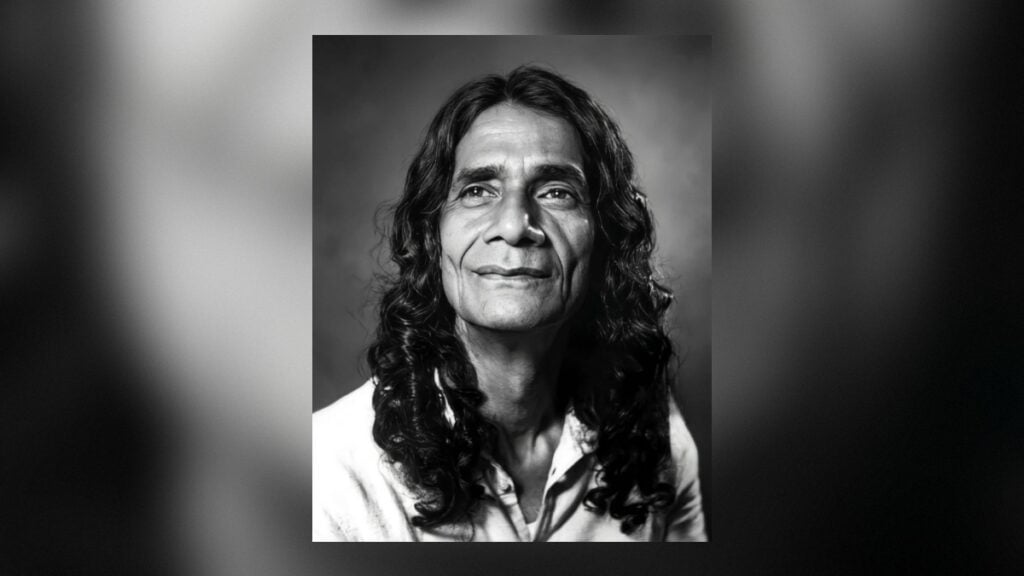
Some filmmakers leave a lasting mark on cinema not merely through their storytelling, but through their ability to capture the emotions, struggles and realities of ordinary people. Azizur Rahman was one such figure in the history of Bangladeshi cinema. Through his films, he explored human suffering, social shortcomings, moral responsibility and the realities of everyday life, creating stories that entertained audiences while encouraging them to reflect on the world around them.
Among his most memorable works is Chhutir Ghonta (The Holiday Bell), a film that remains deeply embedded in the collective memory of Bangladeshi audiences. Its heartbreaking portrayal of a child’s helplessness and tragic fate continues to evoke powerful emotions. Another notable work, Ashikkhito (The Illiterate), highlighted the transformative power of education and its importance in building a more conscious and dignified society.
Rahman’s contribution to cinema extended beyond entertainment. His films often carried strong social messages, drawing attention to human vulnerability, family relationships and the consequences of negligence. His legacy rests not only on the films he directed, but also on their enduring emotional and social significance.
Early Life and Artistic Foundations
Azizur Rahman was born on 10 October 1939 in the Kolsa Santahar neighbourhood of Santahar, a railway junction town in the greater Bogura region of what was then British India. His father was Rupchan Pramanik.
From an early age, Rahman showed an interest in art and culture. He completed his secondary education at the local Ahsanullah Institute before passing his higher secondary examinations at Dhaka City Night College. He subsequently obtained a diploma in commercial art from the Institute of Fine Arts.
His artistic education helped shape his visual sensibilities and approach to storytelling. An understanding of composition, visual expression and human emotions became valuable assets in his later work as a filmmaker. His background in art also contributed to his ability to translate ideas and emotions into compelling screen images.
Cinema offered Rahman an opportunity to bring together his artistic interests and his fascination with human life. Rather than treating filmmaking solely as a technical exercise, he approached it as a medium through which personal experiences and wider social concerns could be communicated to a broad audience.
From Assistant Director to Independent Filmmaker
Rahman’s professional career in cinema began in 1958, when he worked as an assistant to renowned filmmaker Ehtesham on the film E Desh Tomar Amar.
The experience provided him with an introduction to the practical aspects of filmmaking, including directing actors, arranging scenes and translating a written story into a visual narrative. Working behind the camera allowed him to develop the skills and understanding necessary to pursue his own directorial ambitions.
He eventually made his directorial debut with Saiful Mulk Badiuzzaman, a film based on a folk narrative associated with the Mymensingh region. The project reflected his interest in drawing upon local traditions and cultural heritage as sources of cinematic storytelling.
Folklore has long played an important role in the cultural life of Bengal, preserving stories, beliefs and values across generations. By bringing a folk narrative to the screen, Rahman demonstrated how traditional material could be adapted for cinema while retaining its cultural identity.
As his career progressed, he became known for films that connected with audiences through recognisable characters, familiar social circumstances and emotionally engaging narratives. His work covered a range of subjects, but human relationships and the realities of everyday life remained recurring themes.
Ashikkhito: A Story About the Power of Education
Among Rahman’s socially significant films, Ashikkhito occupies an important place. At its heart is the belief that education can change lives, strengthen self-respect and help people participate more fully in society.
The film presents education as something that extends beyond the ability to read and write. Learning can improve awareness, help individuals understand their rights and provide opportunities to lead more independent and dignified lives.
Its central message is particularly relevant in societies where access to education has historically been shaped by poverty, social disadvantage and limited opportunities. The idea that people can continue learning at different stages of life challenges the assumption that education belongs exclusively to childhood or adolescence.
By placing these concerns within an accessible human story, Rahman brought a wider social issue into the realm of popular cinema. Rather than relying solely on abstract arguments about the importance of education, the film communicated its message through the experiences of ordinary people.
This approach reflected one of the strengths of his filmmaking: the ability to explore meaningful social themes without losing sight of the emotional experiences of individual characters.
Chhutir Ghonta: The Tragedy That Still Haunts Audiences
If one film has become inseparable from Azizur Rahman’s name, it is Chhutir Ghonta, released in 1980. The film remains one of the most emotionally resonant works in Bangladeshi cinema, remembered for its devastating portrayal of a child’s suffering and the consequences of a failure to protect him.
The story centres on a schoolboy who becomes trapped inside a school toilet. The school day ends, the bell rings, and pupils and teachers leave the premises. The child, however, remains locked inside, unable to attract the attention of anyone who might help him.
As time passes, the boy faces hunger, thirst, fear and the growing realisation that he may not be discovered. Outside, everyday life continues, while inside the confined space his desperate wait for rescue becomes increasingly distressing.
The story moves towards a tragic conclusion, leaving audiences confronted with the devastating consequences of a seemingly ordinary failure. Its emotional force comes from the contrast between the child’s innocence and vulnerability and the inability of the adults around him to recognise his predicament in time.
Yet Chhutir Ghonta is more than a tragedy about a child. It is also a powerful reflection on negligence, responsibility and the importance of safeguarding vulnerable people.
Schools are expected to provide children with an environment in which they can learn and develop safely. That responsibility involves more than teaching lessons; it also requires appropriate supervision, careful procedures and attention to the wellbeing of pupils. The film’s enduring impact lies partly in the way it makes these responsibilities painfully clear.
The story also speaks to the wider social duty to protect children. Their safety cannot be treated as the responsibility of families or educational institutions alone. It requires awareness, vigilance and a shared commitment to preventing avoidable harm.
Rahman’s achievement was to communicate these concerns through a narrative that audiences could understand emotionally as well as intellectually. The child’s isolation becomes a source of profound distress, while the tragic outcome forces viewers to consider how such suffering might have been prevented.
Decades after its release, Chhutir Ghonta continues to be remembered because its emotional message has not lost its relevance. The film demonstrates how cinema can preserve the memory of a tragedy while encouraging audiences to think more seriously about their responsibilities towards others.
Its lasting place in the public imagination is a testament to Rahman’s ability to transform a distressing narrative into a wider reflection on humanity, care and accountability.
A Diverse Career in Bangladeshi Cinema
Although Chhutir Ghonta remains his most widely recognised work, Rahman’s career extended across a broad range of subjects and genres. His filmography included stories about family life, social relationships, personal conflict and the moral challenges faced by ordinary people.
His other notable directorial works included Matir Ghar, Atithi, Swikriti, Aparadh, Garmil, Mayer Achol and Janata Express.
These films reflected different aspects of social and domestic life. Family relationships, personal ambitions and conflicts between individuals provided material for stories that audiences could relate to through their own experiences.
Rahman’s ability to connect with viewers was rooted in his understanding of popular storytelling. Familiar situations and recognisable emotions allowed his films to reach audiences beyond a narrow circle of film enthusiasts. His work formed part of a cinematic tradition in which entertainment and social observation could exist together.
He also directed Urdu-language films, demonstrating the breadth of his professional experience. His works in the language included Mere Armaan Mere Sapne, Saat Saheli, Pardesi and Rehne Do.
The production of films in different languages reflected the varied demands of the film industry in the region. For Rahman, working across linguistic boundaries formed another part of a long career shaped by changing audiences and cinematic opportunities.
He was also involved in film production. Titles associated with his production work include Kuchbaran Kanya, Rangin Roopban, Kanchanmala and Jid, according to biographical accounts.
His work as both a director and producer contributed to his standing in the industry. Although published accounts differ over the precise number of films associated with his career, the breadth of his work reflects a sustained commitment to filmmaking over several decades.
Preserving the Memory of the Liberation War
Bangladesh’s Liberation War of 1971 remains a defining chapter in the nation’s history. Its stories of sacrifice, resistance and the struggle for independence have inspired writers, artists and filmmakers seeking to preserve the experiences of those who lived through it.
In 2016, Rahman undertook an initiative to make a Liberation War-themed film titled Mati. The project reflected his interest in bringing an important part of the country’s national history to the screen.
Cinema can play a significant role in preserving historical memory, particularly by translating large national events into personal stories that audiences can understand and remember. Films about the Liberation War can also provide opportunities for younger generations to engage with the experiences and sacrifices that shaped the country’s independence.
Rahman’s proposed project represented another dimension of his artistic interests, extending beyond family dramas and socially focused narratives to the broader historical experience of Bangladesh.
The available account establishes his initiative to undertake the project, although further details about its production and release require reliable confirmation.
Ekushey Padak: Recognition of a Lasting Contribution
Rahman’s contribution to Bangladeshi cinema received renewed national recognition in 2025, when he was nominated posthumously for the Ekushey Padak, one of Bangladesh’s leading civilian honours.
The recognition highlighted the importance of his work within the country’s cultural landscape. For a filmmaker whose stories had reached audiences across generations, the nomination represented an acknowledgement of a career devoted to cinema and its potential to influence society.
Awards and official honours are important ways of recognising artistic achievement, but they cannot fully measure the influence of a filmmaker. A work’s ability to survive changing tastes, remain meaningful to new audiences and continue prompting discussion is another measure of its significance.
In Rahman’s case, the enduring reputation of Chhutir Ghonta and the social message of Ashikkhito offer powerful evidence of his contribution. These films continue to be associated with themes that extend beyond their original release periods, including child safety, educational opportunity, social responsibility and human dignity.
His legacy also illustrates the importance of filmmakers who take everyday experiences and turn them into stories with a wider social meaning. Such works can entertain audiences while leaving them with questions that remain relevant long after the screening ends.
Final Years and Death
Azizur Rahman died in Toronto, Canada, on 14 March 2022. His death marked the loss of an experienced filmmaker whose career had spanned several decades of Bangladeshi cinema.
Following his death, his body was reportedly taken to his birthplace in Santahar for burial, according to published news accounts.
His passing brought renewed attention to the films through which he had established his reputation. For audiences familiar with his work, his name remains closely associated with the emotional power of Chhutir Ghonta, as well as the socially conscious storytelling found in Ashikkhito and his other films.
The history of cinema is shaped not only by celebrated stars or commercially successful productions, but also by directors who give stories their form and meaning. Their work influences how audiences understand characters, interpret events and respond to social issues.
Rahman’s career reflected that role. Through his direction, he explored the emotional realities of ordinary people and presented stories that could provoke sympathy, sorrow and reflection. His films demonstrated that a compelling narrative could also serve as a reminder of society’s obligations to its most vulnerable members.
A Legacy That Lives Beyond the Screen
Azizur Rahman’s life and work remain part of the wider story of Bangladeshi cinema. From his early experience as an assistant director to his later achievements as a filmmaker and producer, he developed a body of work that reflected a sustained interest in human experience and social realities.
His films explored different themes, but their lasting appeal lies in their ability to connect individual lives with broader questions about society. Ashikkhito presented education as a means of personal and social transformation, while Chhutir Ghonta exposed the devastating consequences of negligence and the vulnerability of children.
The two films demonstrate different dimensions of his artistic approach. One offers hope through learning and self-improvement; the other confronts audiences with the consequences of failing to protect an innocent life. Together, they illustrate how cinema can communicate both the possibilities and the failures of human society.
A filmmaker’s work can endure when its stories remain emotionally recognisable and its themes continue to matter. Rahman’s films have achieved a place in the cultural memory of Bangladesh because they speak to experiences that transcend a particular period or generation.
He is no longer present to tell new stories, but the films he left behind continue to carry his voice. Their characters, conflicts and emotional messages remain reminders that cinema can do more than entertain: it can awaken conscience, encourage compassion and reinforce a sense of collective responsibility.
Azizur Rahman told stories of life through the language of cinema. Through those stories, his artistic legacy continues to live on in the hearts and memories of audiences.
His contribution to Bangladeshi cinema deserves to be remembered with deep respect and gratitude.