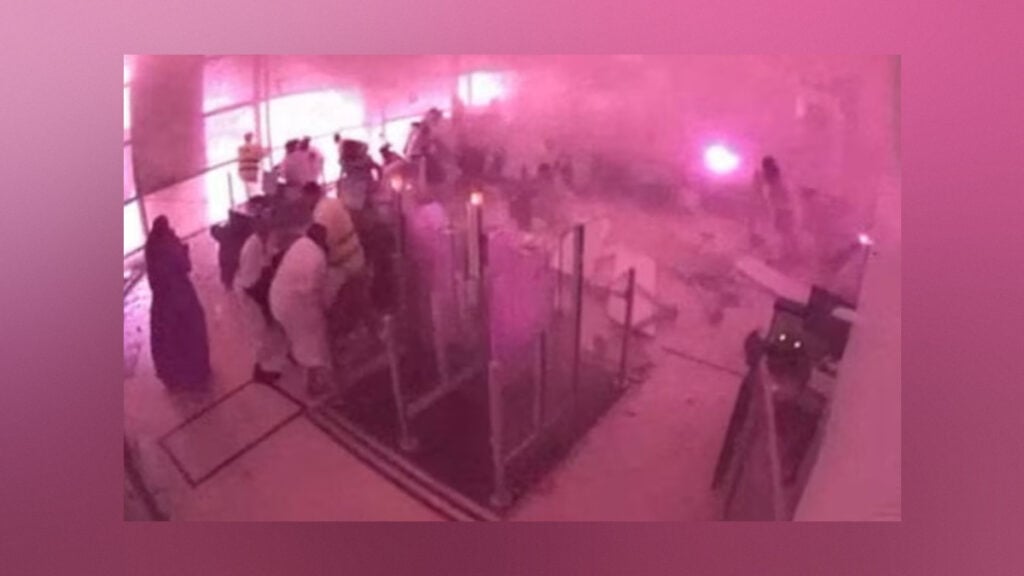
A fresh missile strike on King Khalid International Airport in Riyadh has killed one person and injured 11 others, intensifying security concerns across Saudi Arabia following a series of attacks attributed to Yemen’s Iran-backed Houthi rebels.
The latest attack took place on Sunday, 11 October, targeting Terminal 4 at the airport, according to the Saudi-led military coalition involved in the conflict in Yemen. The strike reportedly sparked a fire in the terminal area, resulting in casualties and raising fresh questions about the security of the kingdom’s critical transport infrastructure.
The incident followed another major attack on Saturday, 10 October, which reportedly killed 13 people and injured more than 300. The two days of violence have been described as among the most serious attacks on Saudi Arabia in the past decade. The reported death toll from the latest incidents has risen to 18, according to the figures provided in the initial reports, although the precise circumstances surrounding all the casualties remain unclear.
The repeated strikes have prompted Saudi authorities to heighten security measures and issue alerts across several parts of the country. With airports and other strategically important facilities reportedly coming under attack, concerns have grown over the potential disruption to civilian aviation, public safety and essential economic operations.
Saudi Forces Intercept Incoming Missiles and Drone
The Saudi-led coalition said its forces had intercepted and destroyed several incoming threats. These included a cruise missile over Riyadh, a drone over the Eastern Province and a ballistic missile heading towards Khamis Mushait in the south-western part of the country.
Authorities also issued a temporary emergency alert in Abha, a city in south-western Saudi Arabia, amid concerns about further attacks. The incidents indicate that the security threat has extended beyond the capital, requiring heightened vigilance in multiple regions.
Meanwhile, authorities confirmed reports of an attack on King Fahd International Airport in Dammam, one of Saudi Arabia’s major aviation hubs. The incident disrupted flight operations, with numerous services delayed or cancelled. Such disruptions can affect passengers, airline schedules and the movement of people through the kingdom, particularly when several transport facilities face simultaneous security concerns.
The attacks have placed additional pressure on airport security and air traffic management. Any decision to restrict flights or alter operations must balance passenger safety against the need to maintain essential transport links.
Houthis Claim Responsibility for Attacks
Houthi military spokesperson Yahya Saree claimed responsibility for the attacks carried out on Saturday and Sunday. He said the group had targeted the airports in Riyadh and Dammam, as well as two facilities belonging to Saudi Aramco, the kingdom’s state-owned oil company.
The Houthis warned that attacks could become more severe if Saudi Arabia continued its air strikes in Yemen. The group also urged civilians not to use Saudi airports, signalling the possibility of further disruption if hostilities continued.
The claims place the latest incidents within the wider conflict between the Houthis and the Saudi-led coalition. Saudi Arabia has been a central actor in Yemen’s war, which has involved competing political and military forces and drawn in regional powers. The conflict has repeatedly threatened security across borders, including through missile and drone attacks directed at Saudi territory.
However, claims made by parties involved in an armed conflict require independent verification. The full extent of the damage at the airports and oil facilities, as well as the details of the reported attacks, could not be independently established from the information provided.
International Concern and Diplomatic Responses
The latest attacks have prompted concern among international governments, with renewed attention on the risk of a wider regional confrontation.
Iran’s foreign minister said Tehran was prepared to mediate between Saudi Arabia and Yemen. The offer comes as the attacks raise questions about whether diplomatic engagement could help reduce tensions and prevent further escalation.
Any mediation effort would face the challenge of addressing the security concerns of the parties involved while dealing with the broader political and military issues underpinning the Yemen conflict. A sustained reduction in hostilities would require more than temporary arrangements, particularly if attacks and retaliatory operations continued.
US President Donald Trump has also indicated that Washington was considering providing assistance to Saudi Arabia amid the worsening security situation. The nature and extent of any potential support were not specified in the information provided.
The United States and the United Kingdom have advised their citizens to exercise particular caution when travelling to Saudi Arabia. Such warnings reflect the risks associated with a deteriorating security environment, especially when airports and other critical infrastructure are reported to be potential targets.
Travellers may face sudden changes to flight schedules, access restrictions and additional security checks. Passengers travelling through affected airports are likely to need to monitor official announcements and follow instructions issued by local authorities and airlines.
Schools Move Online as Riyadh Tightens Precautions
Saudi authorities have decided to suspend in-person classes at all educational institutions in Riyadh until Thursday, 15 October, shifting lessons online as a precautionary measure.
The move is intended to limit potential risks to students and staff while the security situation remains uncertain. It also illustrates how the attacks are affecting daily life beyond the immediate areas targeted, with public institutions adapting their operations in response to concerns over further violence.
Despite the heightened security environment, an international energy conference scheduled in Riyadh is going ahead. The decision to proceed highlights the importance of the event and Saudi Arabia’s position in global energy markets, even as the country confronts fresh security challenges.
Saudi Arabia is a major player in international oil production, making the security of its energy infrastructure a matter of wider economic interest. Reports that Saudi Aramco facilities were targeted have therefore added another dimension to concerns surrounding the attacks, although the extent of any damage to those facilities has not been established.
The latest incidents have brought aviation security, civilian protection and regional diplomacy into sharper focus. With the Houthis threatening further attacks and international governments assessing their responses, the immediate priority remains preventing additional casualties and safeguarding critical infrastructure.
The course of events will depend partly on whether further strikes occur and whether diplomatic efforts can create space for de-escalation. For now, heightened security measures, travel warnings and the temporary shift to online education reflect the seriousness of the situation confronting Saudi Arabia.