Widespread concerns over public safety have intensified across Bangladesh following a spate of violent crimes, including murders, sexual assaults, armed robberies, and political clashes. Despite ongoing operations by law enforcement agencies, state initiatives have struggled to curb the surge in violence. Human rights organisations continue to report alarming statistics, raising serious questions regarding police operational capacity, intelligence gathering, and the impartial enforcement of law.
Recent violent events underscore the severity of the situation. On 11 October, police recovered the dismembered body of Shirin Begum from her residence in South Jatrabari, Dhaka; her husband, Dulal Howlader, was arrested after her body was found severed into four pieces following a domestic dispute. Just two days later, Sufia Akhtar Nishi was fatally slashed in Bandar, Narayanganj, by her husband, who subsequently reported the crime via the emergency helpline 999. In another domestic incident in Sreepur, Gazipur, a pregnant woman, Seema Rani Das, was hacked to death allegedly by her husband.
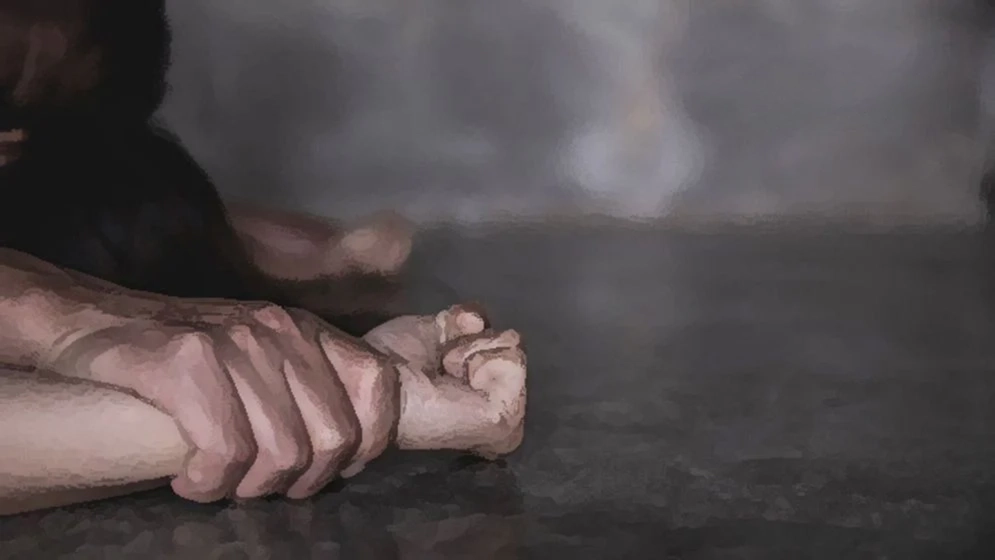
Beyond domestic settings, public transport and local streets present equal peril. In Lalmai, Comilla, a Year 7 student was raped and suffocated to death by an auto-rickshaw driver, who subsequently confessed to the crime in court. In Rupganj, Narayanganj, attackers disguised as passengers fatally stabbed auto-rickshaw driver Rajan Mia before stealing his vehicle. Meanwhile, in Siddhirganj, Saheb Ali, an individual named in multiple criminal cases, was shot dead in what police suspect was an internal turf war between local gangs.
A quarterly report released by the Human Rights Support Society (HRSS) covering the period from July to September provides detailed statistical evidence of the nationwide escalation in violence:
| Category of Crime & Violence | Recorded Incidents and Casualties |
| Political Violence | 183 incidents (17 fatalities, 1,227 injured) |
| Internal BNP Factional Clashes | 69 incidents (9 fatalities, 540 injured) |
| BNP-Jamaat Clashes | 31 incidents (1 fatality) |
| BNP-Awami League Clashes | 16 incidents (2 fatalities) |
| Attacks on Property during Political Violence | 153 homes, businesses, or offices damaged/looted |
| Mob Violence and Mob Lynching | 137 incidents (54 fatalities, 145 injured) |
| Violence Against Women & Children | 783 victims (253 rape cases, including 154 minors) |
| Murder Following Rape | 12 cases recorded |
| Domestic Violence Fatalities | 137 women killed |
| Child Abuse and Fatalities | 189 children killed |
| Bodies Recovered from Abandoned Sites | 302 bodies from 285 incidents (29 in sacks, 19 throat-slit, 19 bound) |
| Deaths in Custodial / Prison Facilities | 37 prison deaths; 5 police custody deaths (1 due to torture) |
| Attacks and Harassment Against Journalists | 135 journalists affected across 88 incidents |
Operational challenges within law enforcement have further complicated response efforts. Following a mugging attack on Police Inspector Shah Alam in Khulna, local authorities issued an advisory instructing officers to avoid travelling alone at night. The internal directive sparked widespread debate over how citizens can expect protection when officers themselves require special security measures.
Home Minister Salahuddin Ahmad recently chaired high-level security meetings to address crime hotspots, including plans to establish permanent posts for police, RAB, and BGB in troubled zones such as Jungle Salimpur. Simultaneously, Dr Zahed Ur Rahman, Adviser for Information and Broadcasting, acknowledged that police morale and operational confidence remain below optimal levels, citing past political misuse of the force as a lingering factor. Police management confirmed that over 37,000 arrests were made during special drives between July and September.
Criminology experts emphasize that law enforcement must apply uniform standards regardless of a suspect’s political or social standing. Broad reform, structural independence, and sustained political will remain vital to rebuilding public trust and re-establishing order across the country.