Bangladesh has recorded four more deaths from dengue in the past 24 hours, while 1,181 patients have been admitted to hospitals across the country with the mosquito-borne disease, according to the Directorate General of Health Services (DGHS).
The figures were released in the DGHS’s regular dengue bulletin on Friday, 16 October, highlighting the continuing pressure on the country’s healthcare system as infections remain a serious public health concern.
The latest fatalities have taken the total number of dengue-related deaths in Bangladesh this year to 335. Of particular concern is the rising toll in October, with 90 deaths recorded during the first 15 days of the month alone, according to the bulletin.
September was the deadliest month so far this year, with 148 reported deaths. The monthly figures also show 43 deaths in August, 36 in July, 13 in June and one in May. Two deaths were reported in January and another two in February.
The figures indicate that the burden of dengue has increased considerably in recent months, with September accounting for the highest monthly death toll so far in 2026. The number of deaths recorded in the first half of October also points to the need for continued vigilance as the outbreak develops.
According to the DGHS bulletin, 1,181 patients were admitted to hospitals nationwide during the 24-hour reporting period beginning at 8am on Wednesday. This brought the total number of hospital admissions for dengue in 2026 to 108,440.
There was also a significant number of recoveries. A total of 1,179 patients were discharged from hospitals after recovering during the same 24-hour period. The cumulative number of patients who have recovered and returned home this year has reached 102,210.
Although the number of recoveries remains substantial, the continued admission of more than a thousand patients in a single reporting period underlines the need for sustained monitoring, timely diagnosis and adequate hospital care.
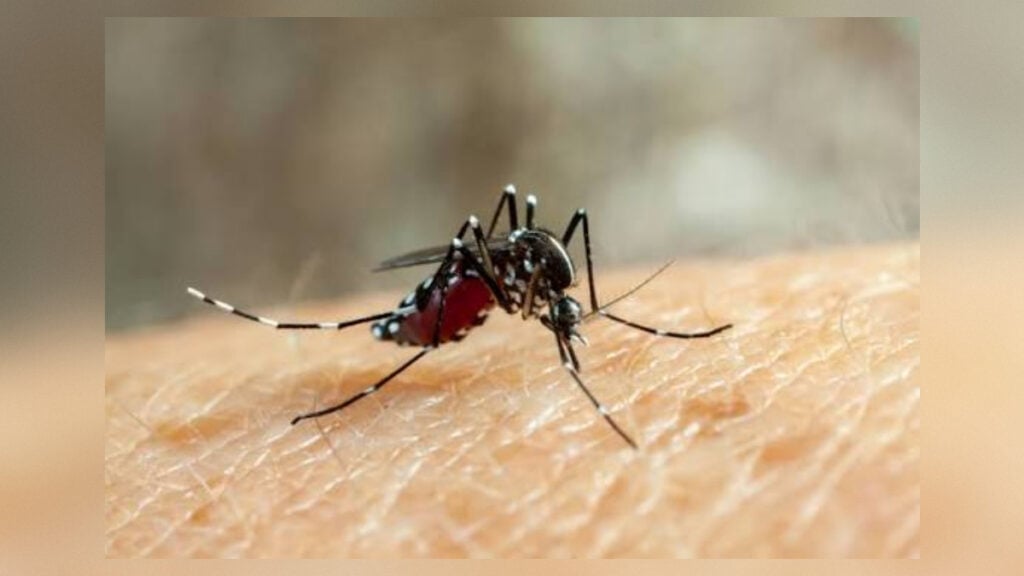
Dengue is transmitted to humans through the bites of infected Aedes mosquitoes. Symptoms can include fever, headache, muscle and joint pain, nausea and skin rash. In severe cases, patients may develop serious complications, including bleeding, plasma leakage and shock, which can require urgent medical attention.
Preventing the spread of dengue depends heavily on reducing mosquito breeding sites. Stagnant water in discarded containers, flowerpots, tyres, roof gutters and other household or outdoor receptacles can provide suitable conditions for mosquitoes to breed. Regularly inspecting homes and surrounding areas and removing accumulated water can help reduce the risk of transmission.