Dengue fever continues its grim march across Bangladesh, claiming four more lives within the span of twenty-four hours while hospitalising an additional 1,851 patients. The latest epidemiological update released on Monday by the Directorate General of Health Services (DGHS) highlights an escalating healthcare burden as healthcare facilities battle to manage the unrelenting influx of mosquito-borne infections.
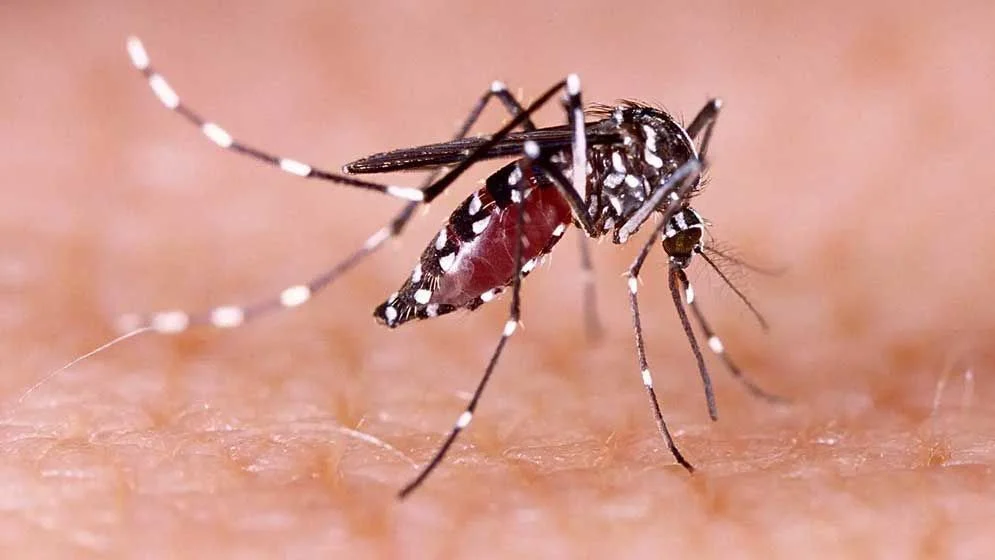
According to official medical bulletins, all four of the latest fatalities were women. Two deaths were registered within the jurisdiction of the Dhaka South City Corporation, whilst Dhaka North City Corporation and the Mymensingh Division recorded one fatality each. The concentrated mortality in the capital underscores the acute vulnerability of densely populated urban centres, where stagnant water and structural sanitation challenges foster ideal breeding grounds for Aedes aegypti mosquitoes.
Since the beginning of January, the national dengue toll has climbed to 352 deaths. Total laboratory-confirmed cases have reached 114,251, marking this year as one of the most severe public health emergencies in recent memory. Public health experts attribute the protracted vector activity to prolonged monsoon conditions, irregular rainfall patterns, and inadequate localized vector control measures.
Hospitals in Dhaka and major divisional hubs remain severely stretched. Intensive care units are facing acute capacity constraints, and medical staff report a rising proportion of severe dengue cases characterised by plasma leakage, severe bleeding, and dengue shock syndrome. Medical authorities strongly advise citizens to seek immediate professional care at the onset of high fever, joint pain, or rash, cautioning against self-medication with non-steroidal anti-inflammatory drugs, which can worsen haemorrhagic complications. Local municipalities have been urged to intensify fogging operations and larvicide application to curb vector proliferation.