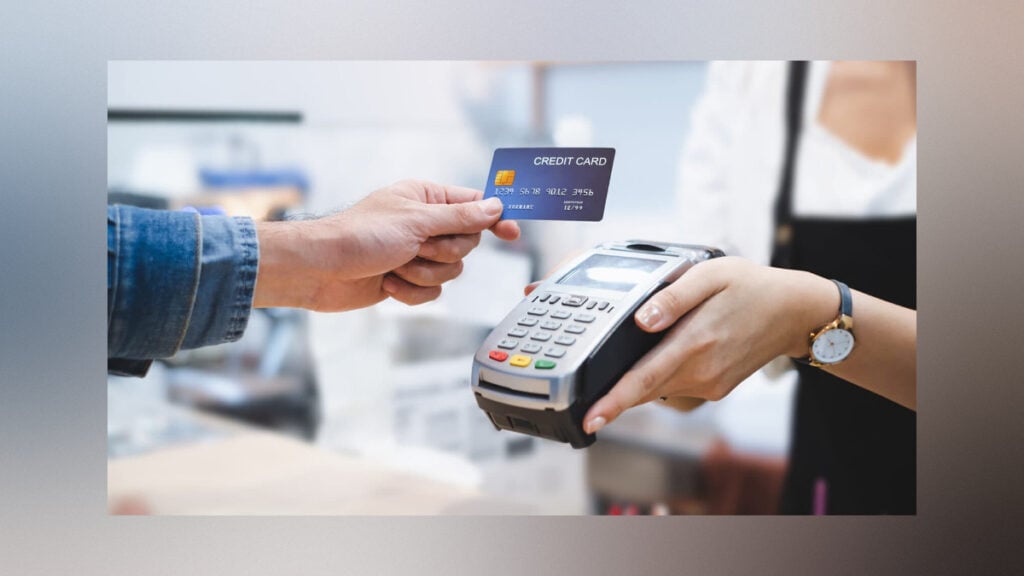
Bank card usage in Bangladesh has expanded significantly over the past five years, with the value of transactions made through debit, credit and prepaid cards rising by 103 per cent. The number of cards in circulation has also grown by around 96 per cent over the same period. However, domestic spending through credit cards declined in August, highlighting a recent slowdown in one segment of the expanding digital payments market.
Bangladeshis spent Tk 9,870 crore abroad using locally issued bank cards in August, while foreign cardholders spent Tk 2,490 crore in Bangladesh. Overseas spending by Bangladeshis was therefore almost four times the amount spent within the country using foreign-issued cards.
The figures were published in Bangladesh Bank’s report on card-based transactions. The report outlines changes in card ownership, domestic credit card expenditure, overseas spending by Bangladeshi cardholders and transactions made in Bangladesh using cards issued abroad.
Card numbers and transaction values nearly double
According to Bangladesh Bank, the country had 2.70 crore debit, credit and prepaid cards at the end of September 2021. By the end of August this year, the total had increased to approximately 5.30 crore, representing growth of around 96 per cent.
The expansion varied considerably by card category. Debit card numbers increased by 69 per cent over the five-year period, while credit cards grew by 59 per cent. Prepaid cards recorded the most striking increase, with their number rising by 803 per cent.
The value of monthly transactions also increased substantially. In September 2021, transactions made through the three types of cards totalled Tk 24,561 crore. By August this year, the figure had reached Tk 49,770 crore, an increase of 103 per cent.
The figures point to a growing role for electronic payment methods in Bangladesh’s financial system. Bank cards are used for retail purchases, utility payments and other transactions, offering an alternative to cash. However, the increase in card numbers and transaction values does not, by itself, establish the extent to which cash usage has declined.
Domestic credit card spending falls in August
Despite the longer-term growth, spending through credit cards within Bangladesh fell in August.
Bangladesh Bank data show that domestic credit card transactions totalled Tk 4,089.30 crore during the month, compared with Tk 4,325 crore in July. The decline was 5.44 per cent month on month.
Department stores and large retail outlets accounted for the largest share of domestic credit card spending. Expenditure in this category reached Tk 1,969 crore in August, representing 48.14 per cent of total domestic credit card spending. In July, spending at these outlets stood at Tk 2,176 crore.
Other major categories included retail outlets, where expenditure amounted to Tk 518 crore, and utility payments, including electricity and gas bills, which accounted for Tk 442 crore. Customers spent Tk 284 crore at pharmacies and medicine shops, Tk 196 crore at clothing stores and Tk 123 crore on transport.
Purchases of goods and services accounted for 93.37 per cent of domestic credit card expenditure in August. Cash withdrawals represented 6.43 per cent, while money transfers accounted for 0.21 per cent.
The figures indicate that credit cards were used predominantly for purchases and service payments rather than cash withdrawals or transfers. The overall monthly decline, however, does not establish whether consumers reduced their spending or shifted to other payment methods.
Overseas spending through credit cards reaches Tk 5,050 crore
Bangladeshis spent a total of Tk 9,870 crore abroad in August using credit, debit and prepaid cards issued in Bangladesh.
Credit cards accounted for Tk 5,050 crore of the total, while debit card expenditure reached Tk 4,220 crore. Prepaid cards were used for a further Tk 600 crore in overseas spending.
Spending through credit cards abroad fell from Tk 5,260 crore in July to Tk 5,050 crore in August.
Department stores were the largest category for overseas credit card expenditure, accounting for 30.29 per cent of the total. Retail outlets represented 17.89 per cent, transport accounted for 12.09 per cent, and pharmacies and medicine shops made up 11.86 per cent.
The United States was the leading destination by share of overseas credit card expenditure, accounting for 17.16 per cent. Thailand followed with 10.86 per cent, ahead of the United Kingdom at 9.75 per cent, India at 9.12 per cent and Singapore at 7.98 per cent.
These figures show the distribution of overseas credit card spending by country. They do not, however, provide a complete breakdown of the purposes of individual transactions, such as travel, shopping or payments for online services.
Debit and prepaid card spending also rises
Overseas expenditure through debit cards increased to Tk 4,220 crore in August, up from Tk 4,010 crore in July.
The United Kingdom accounted for the largest share of overseas debit card spending, at 14.19 per cent. The United States followed with 13.43 per cent, while India accounted for 11.76 per cent.
Prepaid card spending abroad also rose, increasing from Tk 580 crore in July to Tk 600 crore in August.
India was the leading destination by share of prepaid card expenditure, accounting for 18.71 per cent. The United States ranked second at 14.94 per cent, followed by Saudi Arabia at 10.21 per cent.
The figures show that all three card categories contributed to the overall volume of overseas spending, although their relative importance differed. Credit cards accounted for the largest amount, followed by debit cards and prepaid cards.
Foreign card spending in Bangladesh increases
Transactions made in Bangladesh using cards issued abroad also increased in August.
Foreign-issued cards were used for transactions worth Tk 2,490 crore during the month, compared with Tk 2,340 crore in July. This represented month-on-month growth of 6.27 per cent.
The year-on-year increase was more pronounced. Compared with August 2025, spending through foreign-issued cards in Bangladesh rose by 34.66 per cent in August this year.
Department stores accounted for the largest share of expenditure by foreign cardholders, representing 35.25 per cent of the total. Cash withdrawals made up 23.76 per cent, while transport accounted for 12.99 per cent and clothing shops for 9.17 per cent.
By country of issuance, cards issued in the United States accounted for 21.29 per cent of total transactions made in Bangladesh using foreign cards. Cards issued in the United Kingdom represented 10.81 per cent, while those issued in India accounted for 8.61 per cent.
The increase indicates that foreign-issued cards are being used for a growing volume of transactions within Bangladesh. The available figures alone, however, do not establish how much of the spending was related to tourism, business travel or other activities.
Credit card limits exceed Tk 43,000 crore
Bangladesh Bank’s report also provides an overview of credit facilities associated with the country’s banking system.
At the end of August, the authorised credit limits for credit cards issued by 47 scheduled banks and one non-bank financial institution totalled Tk 43,108 crore. The outstanding amount owed by cardholders stood at Tk 14,482 crore.
The authorised limit represents the maximum amount of credit available to cardholders, rather than the amount they have necessarily borrowed or spent. Outstanding balances, by contrast, indicate the amount owed to issuing institutions at the reporting date.
Credit cards provide access to short-term borrowing for purchases and payments, but responsible use depends on managing expenditure and meeting repayment obligations. Failure to settle bills on time can lead to interest charges and additional costs, increasing the financial burden on customers.
The difference between the total authorised credit limit and outstanding balances also shows why the two figures should not be treated as equivalent measures of borrowing. Not every cardholder uses the full amount of credit available to them.
Cash dependence and security remain key challenges
Despite the expansion of card ownership and transaction values, Bangladesh continues to face several obstacles to developing a more cashless economy.
Bangladesh Bank identified continued reliance on cash, limitations in digital infrastructure, gaps in financial literacy, cybersecurity concerns and transaction costs as significant barriers to wider adoption of card-based payments.
For electronic payments to become more accessible, customers need reliable services, convenient payment facilities and confidence that their financial information is secure. Measures to prevent card fraud, unauthorised transactions and the misuse of personal financial data are also essential.
Improving financial literacy could help consumers better understand card charges, repayment requirements and security precautions. At the same time, strengthening digital infrastructure and addressing transaction costs could make electronic payments more practical for consumers and businesses.
The latest figures highlight the growing importance of bank cards in Bangladesh’s financial system. Monthly transaction values have more than doubled over five years, while the number of cards in circulation has nearly doubled. Yet the decline in domestic credit card expenditure in August shows that growth is not uniform across every category or period.
Sustaining this expansion will require more than increasing the number of cards. Reliable infrastructure, effective fraud prevention, stronger consumer protection and greater public confidence in digital payments will remain essential to building a more accessible and secure cashless economy.